

GUIDE
Differences in Gold Content: Pure Gold, 18K, and 14K, and How to Choose Jewelry
Pure gold (24K), 18K, and 14K differ significantly in color tone, hardness, and resale value depending on the proportion of pure gold they contain. Choose your standard based on whether you seek an everyday piece for effortless wear or a tangible asset that fully preserves its intrinsic value over time.
What the Numbers Mean: Purity and Gold Content Standards
The karat (K) rating commonly used in gold jewelry indicates gold purity in parts per 24. Pure gold, designated as 24K, represents gold in its unalloyed, natural state. Meanwhile, 18K contains 75.0% pure gold and 14K contains 58.5% pure gold, alloyed with other metals. The remaining proportion in 18K and 14K is composed of metals such as silver, copper, and zinc.
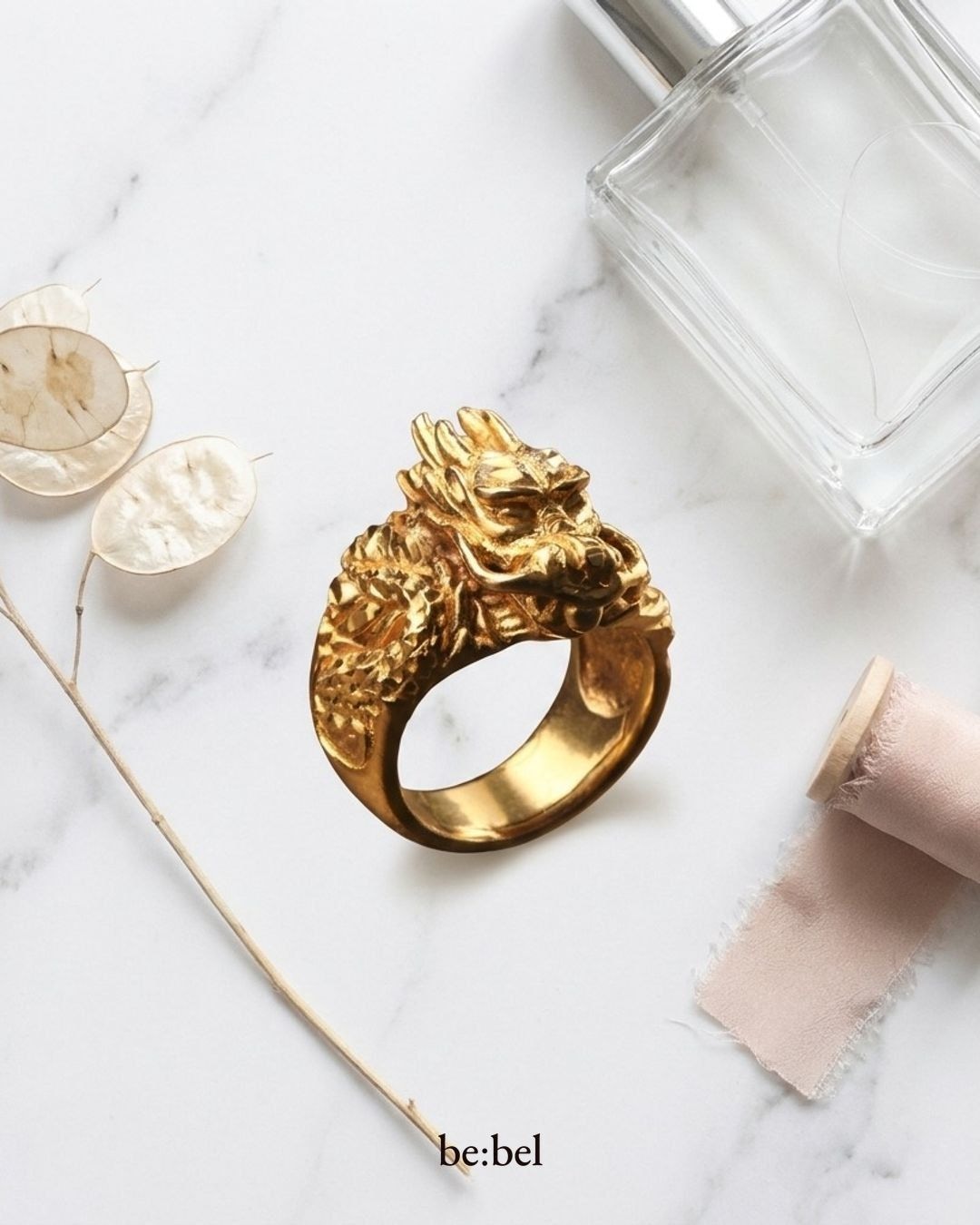
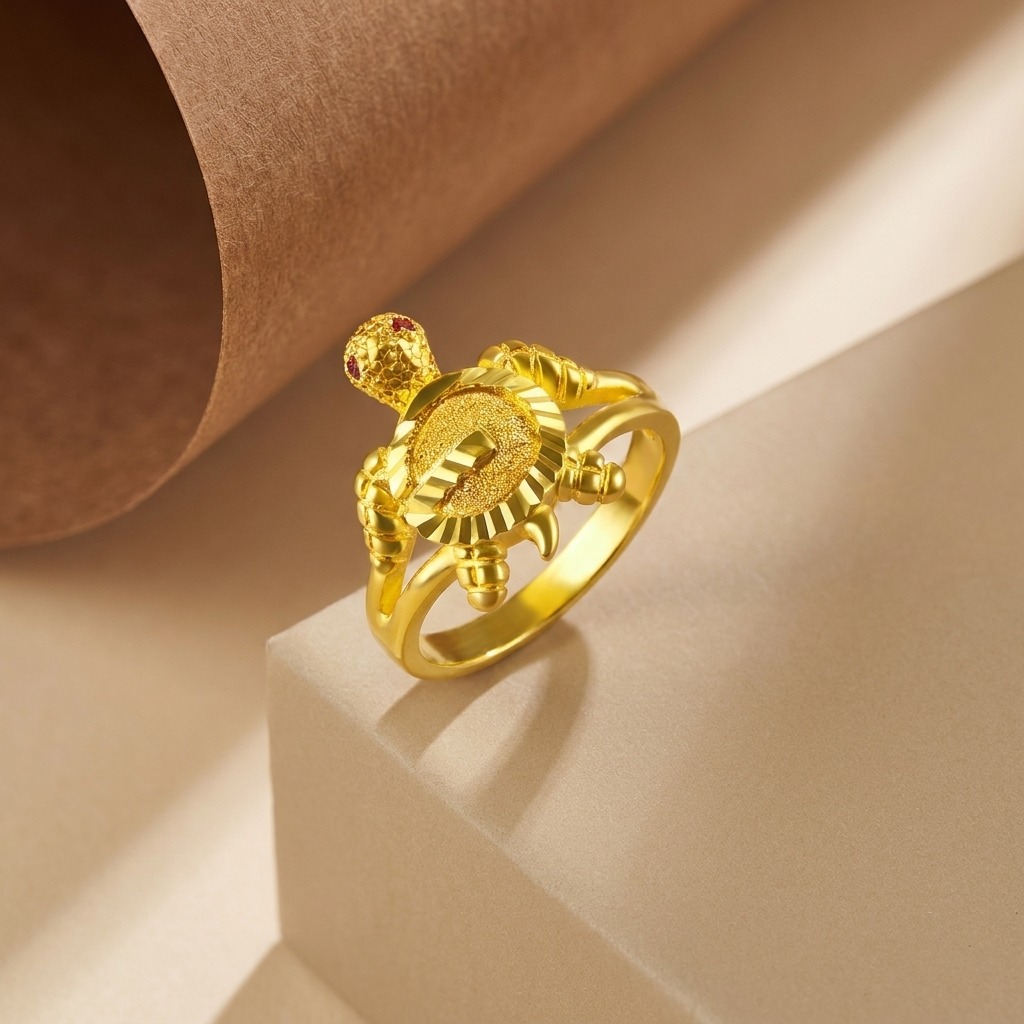
Even within pure gold, purity standards vary according to intended use. Pure gold jewelry requiring intricate crafting and soldering—such as rings, necklaces, bracelets, and earrings—is crafted at 99.5% purity (995), whereas dol rings, with their relatively simpler forms, are crafted at 99.9% purity (999). These differ in forming and fabrication techniques from the 99.99% standard used for gold bars.
Depth of Color, Hardness, and the Wearing Experience
The difference in gold content is clearly evident in color and tactile feel. Pure gold possesses a rich, warm, characteristic golden glow that cannot be artificially replicated, never oxidizing or fading with the passage of time. In contrast, 18K and 14K vary in yellow saturation depending on the alloy composition, or can be rendered in shades such as white gold and rose gold; however, 14K tends to have a paler yellow hue due to its lower gold content.
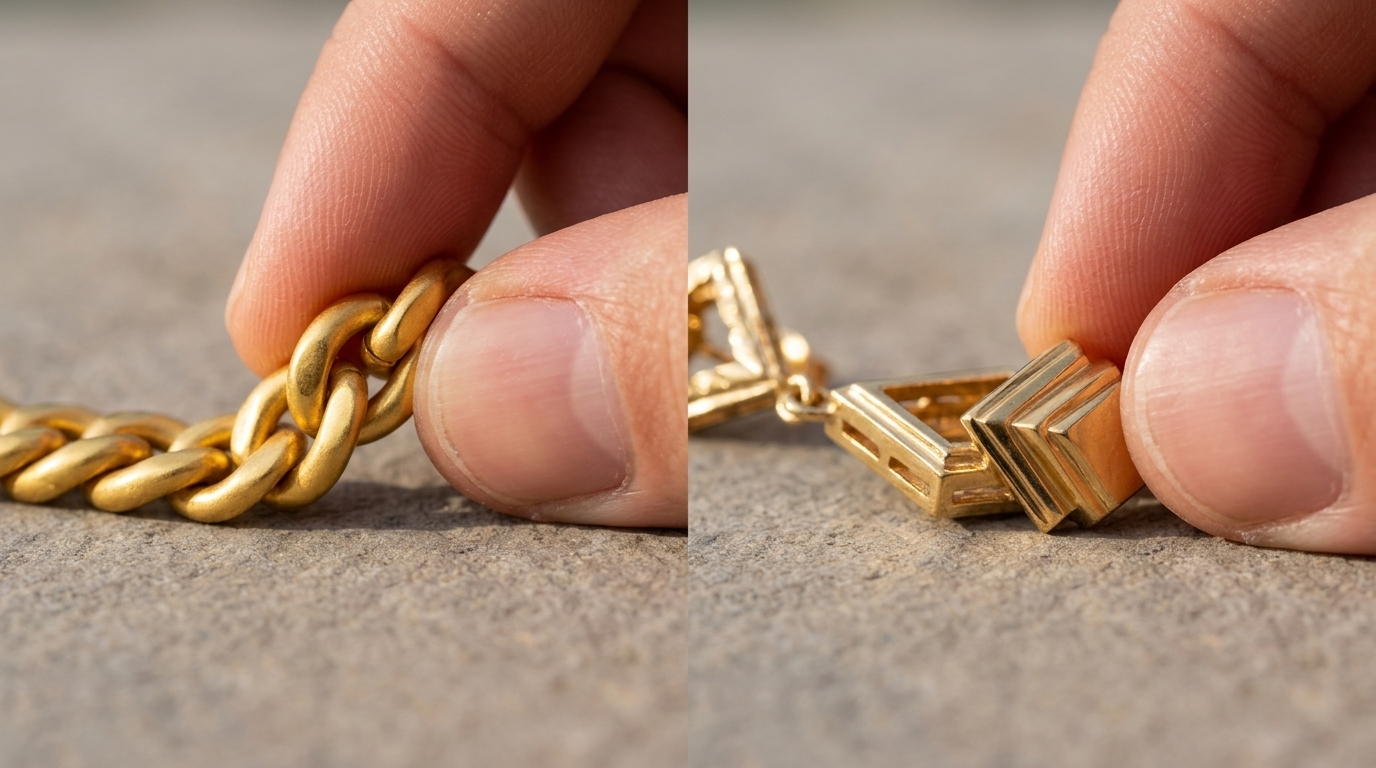
There is also a pronounced difference in hardness. Pure gold possesses high malleability and ductility, making it soft; under strong impact or pressure, it can scratch or deform. Conversely, 18K and 14K, strengthened by other metals that create a denser surface structure, are harder and more scratch-resistant, making them well-suited for gemstone settings and delicate, intricate details. However, jewelry with higher alloy proportions may develop subtle surface discoloration when exposed over extended periods to perspiration or airborne substances.
Clasp Mechanisms and Construction for Enhanced Durability
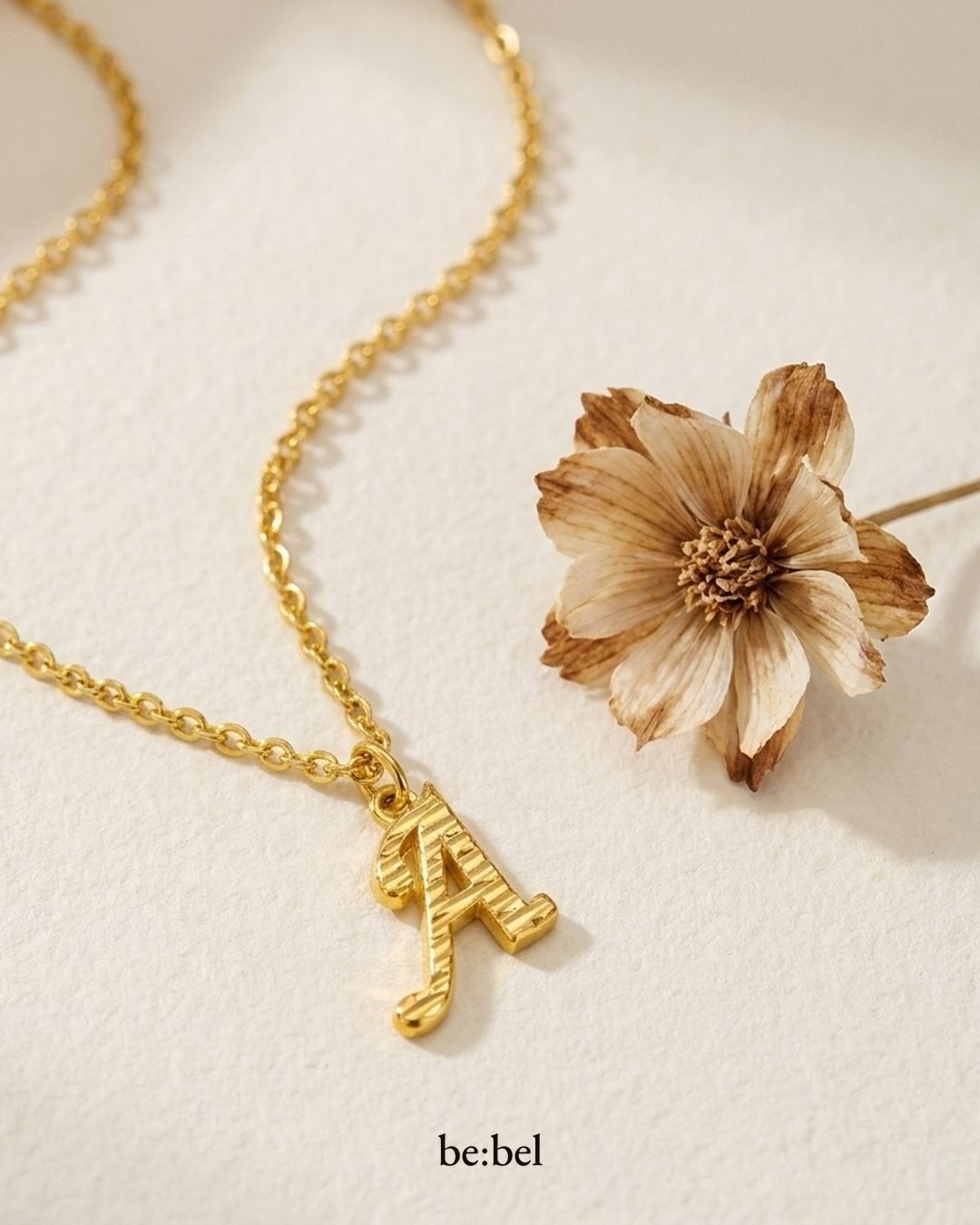
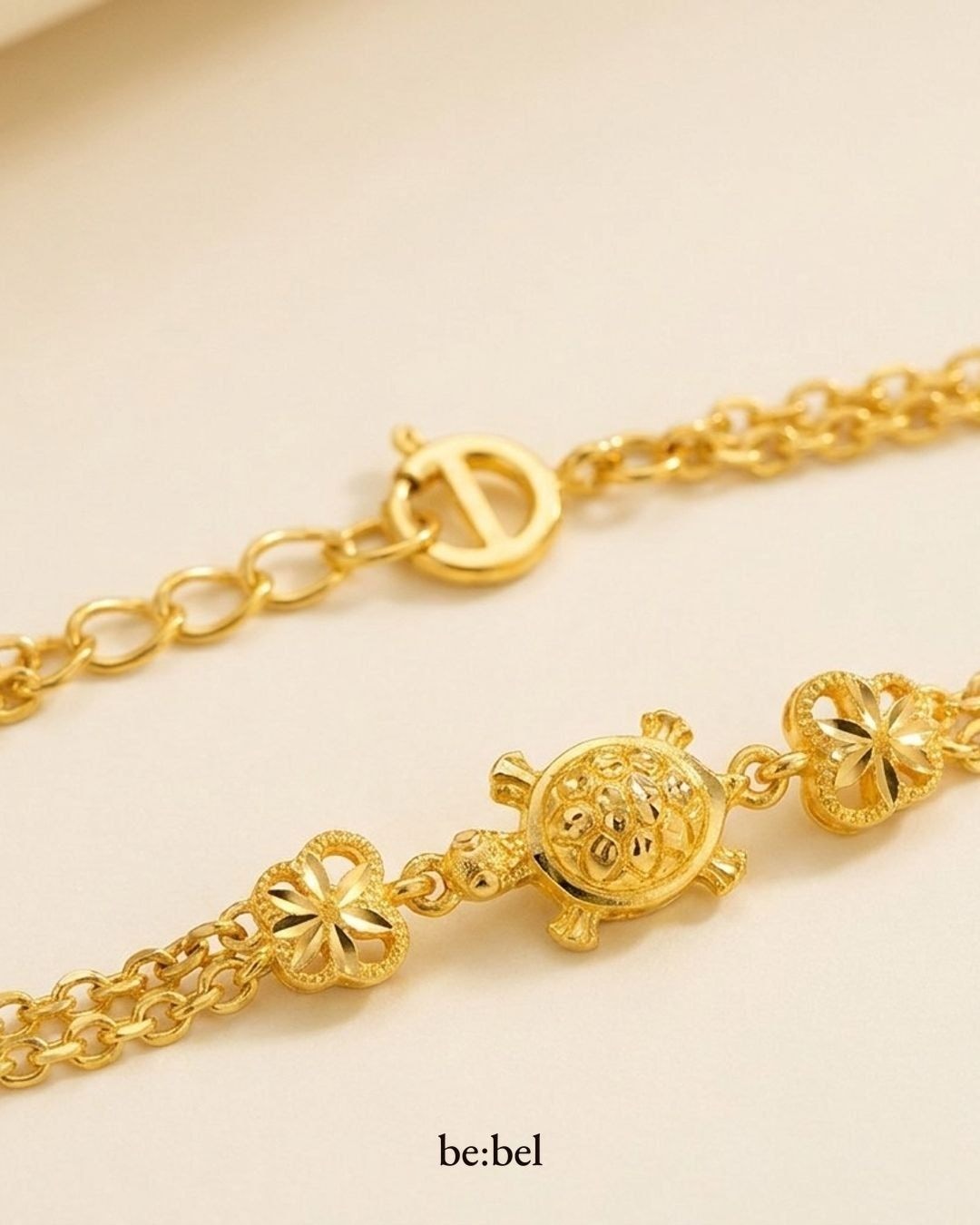
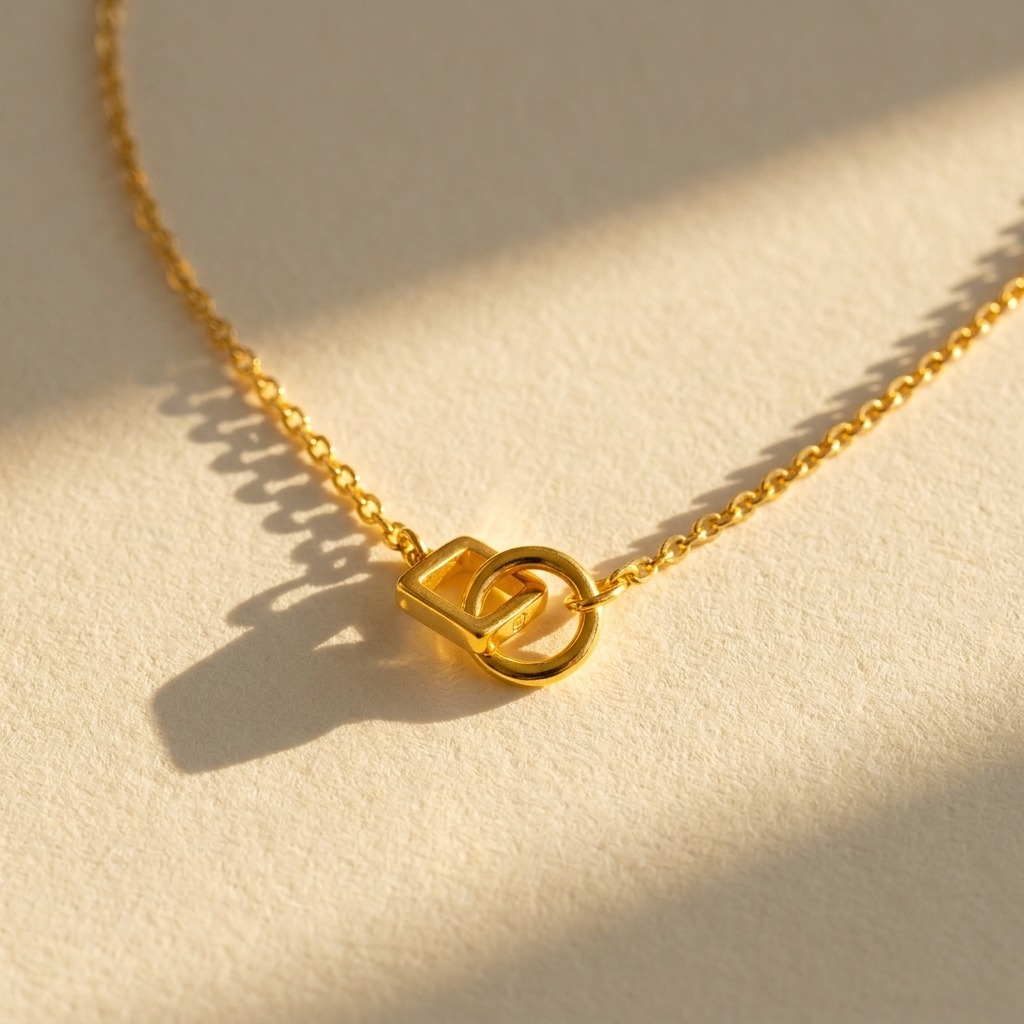
To compensate for the characteristic softness of pure gold, appropriate structural techniques are applied to each piece. For necklaces and bracelets subjected to frequent tension, it is standard practice to craft only the connecting clasp in 18K to prevent opening or loss during wear. To maintain complete integrity, additional pure gold must be added to offset the lower gold content of the clasp, ensuring the total amount of pure gold precisely matches the ordered weight.
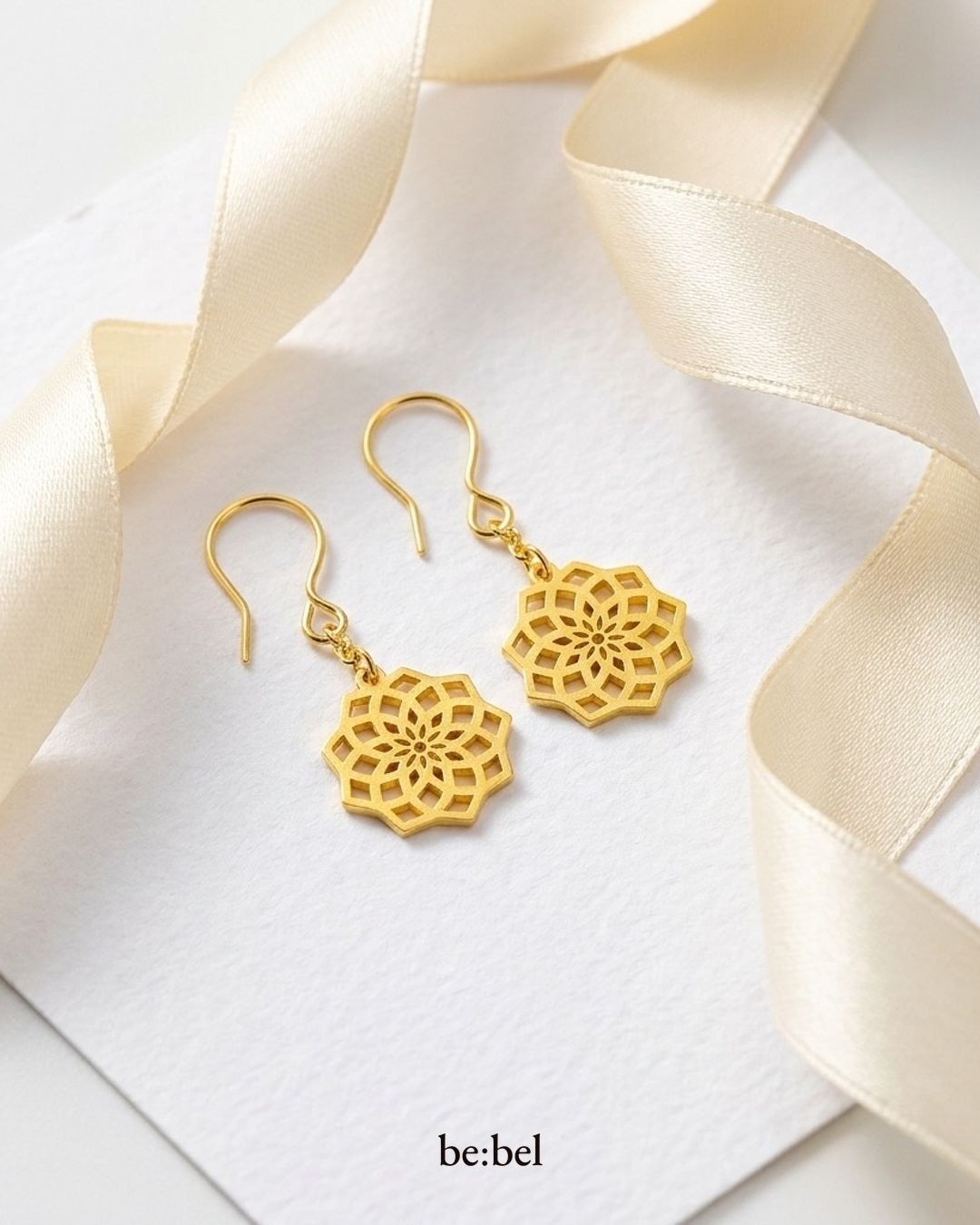
Rings and earrings, by contrast, do not feature clasps. Earrings in particular are crafted entirely in pure gold, including the posts that touch the skin, and come standard with silicone earring backs for secure wear. Only by tailoring construction to each specific design can the authentic character of pure gold be enjoyed alongside everyday practicality.
Value Retention and Liquidity at Resale
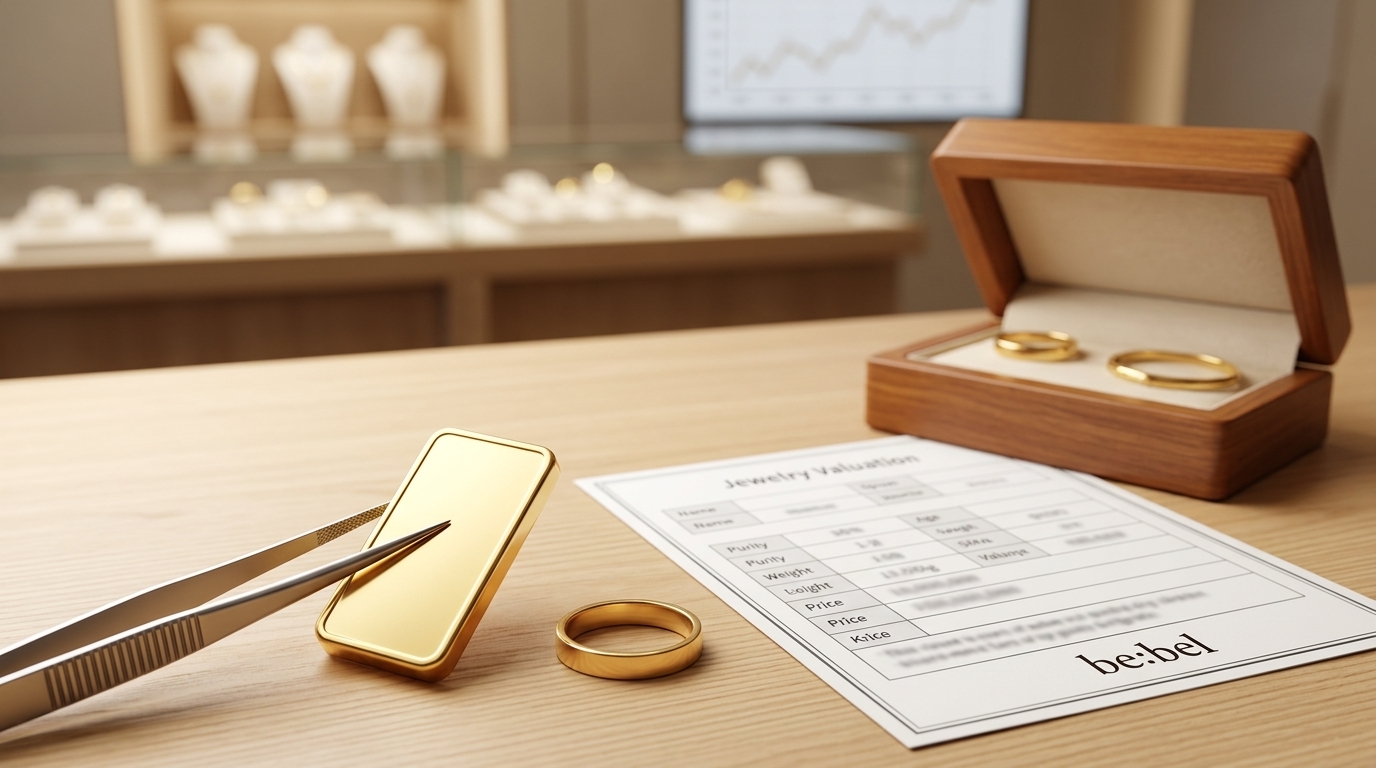
When purchasing jewelry, design and craftsmanship fees are included; however, when liquidating the piece later, valuation is calculated solely on the weight of the pure gold it contains. For 18K and 14K pieces, only 75.0% and 58.5% of the total weight, respectively, are credited as gold, and refining fees to separate pure gold from the alloy are further deducted, resulting in a lower return relative to the original purchase price.
Because pure gold jewelry consists almost entirely of pure gold, it offers a distinct advantage in recovering its intrinsic value based on the prevailing gold price at the time of sale. However, some buyers deduct an assay fee to cover melting losses, making it essential to verify deduction policies transparently beforehand.
Guiding Criteria for Choosing Gold Jewelry Without Regrets
If you favor diverse gemstone settings, intricate designs, and resilient hardness, alloyed gold jewelry may be the ideal choice. However, if you wish to preserve the unchanging radiance of gold across time while securing tangible value that can be effortlessly liquidated in the future, pure gold is the natural choice.
When choosing pure gold jewelry, verify whether the stamped purity meets the 995 standard and bears an authenticated hologram certification mark. Furthermore, choosing a maison with transparent standards—one that buys back at the highest rate for equivalent weight without deducting assay fees—ensures enduring satisfaction with your jewelry over time.
Journal Articles Behind This Guide
- A Complete Comparison of Pure Gold and 18K: 3 Key Points on Content and Everyday Wear
- Dispelling the notion that pure gold is dated: the 24K Twin O Ring for effortless daily wear
- The differences between 24K, 18K, and 14K: 3 essential criteria to buy and resell without loss
- Pure gold vs. 18K: 3 key differences and how to choose wisely