Pure Gold vs. 18K: 3 Key Differences and How to Choose
Many people find themselves undecided between pure gold and 18K even when looking at rings of the same design in a store. Buying based solely on immediate color or sparkle can lead to unexpected surprise years later when facing a vastly different resale price.
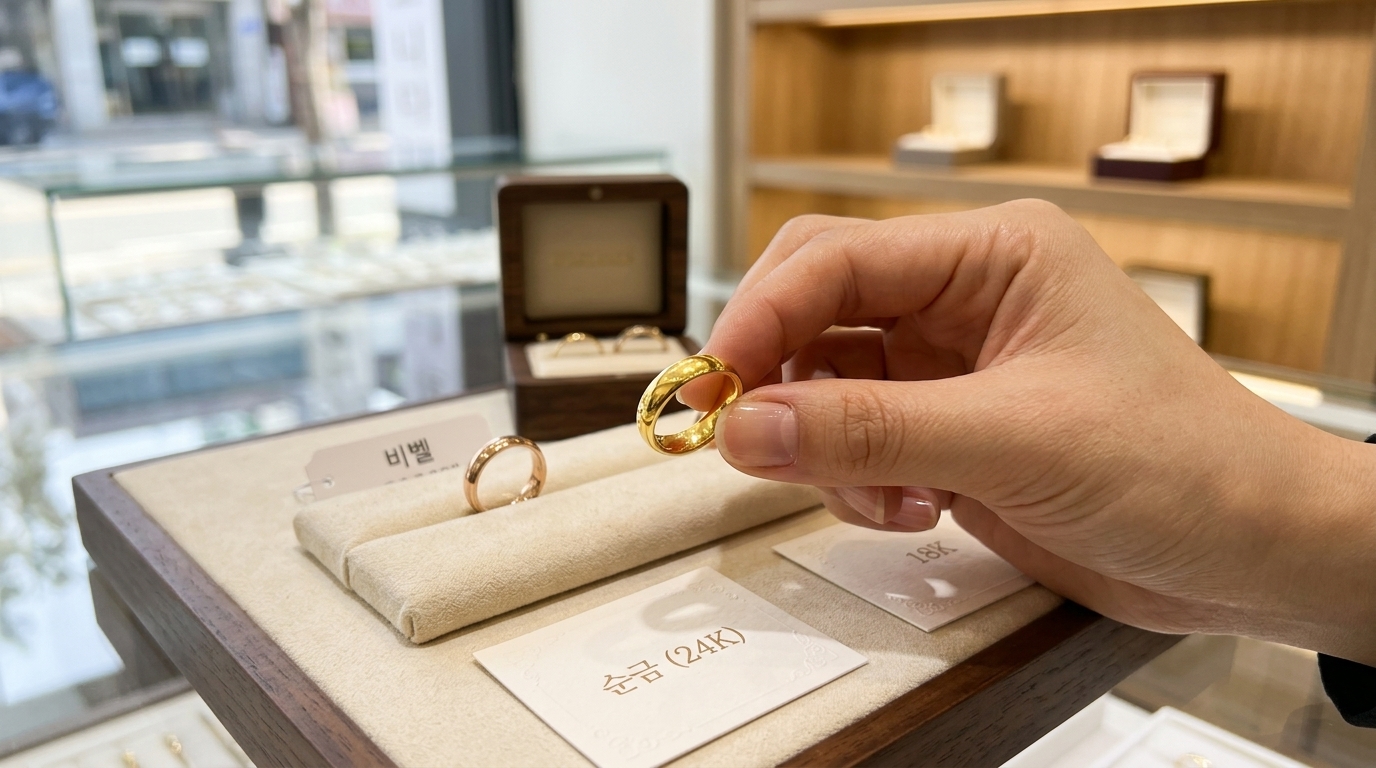
The most crucial difference between pure gold and 18K lies in the gold purity ratio and the resulting liquidity.
It is not simply a matter of "how deep the yellow hue is." The choice changes entirely depending on whether you prioritize everyday practicality worn close to the skin or the value of a physical asset that can be converted into cash at any time.
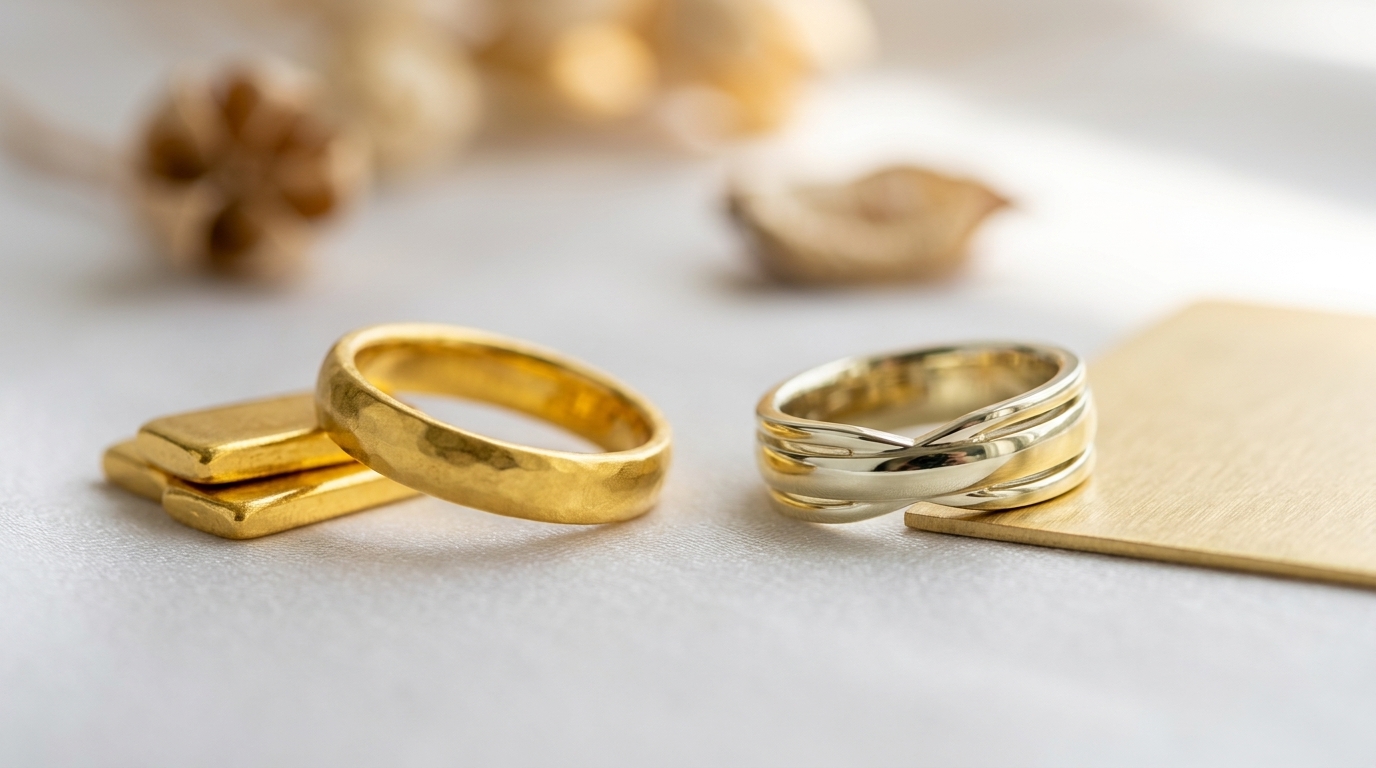
The Essence Created by a 24.5% Difference in Gold Content
Pure gold, literally speaking, refers to gold with virtually no other metals mixed in. Pure gold rings, necklaces, and bracelets crafted as jewelry typically have a purity of 99.5% (995) due to manufacturing requirements, while dol rings (Korean first-birthday gold rings) are crafted at 99.9% (999).
In contrast, 18K consists of 75.0% pure gold, with the remaining 25.0% made up of alloy metals such as silver, copper, and zinc.
Pure gold is pure gold itself at 99.5% or higher, while 18K is an alloy blended with 25% other metals to increase strength.

This difference in purity is immediately apparent in their distinct colors. While pure gold boasts a uniquely rich, deep golden tone, 18K can offer diverse shades depending on the alloy ratio—from soft yellow gold to rose gold and white gold.
While color preference comes down to personal taste, the deep, warm golden glow unique to pure gold cannot be replicated by any alloy.

Pros and Cons for Daily Wear
The biggest reason for creating alloys is durability. Because pure gold is soft and malleable, it can easily scratch or deform if pressed hard with a fingernail or struck against a hard surface.
As a result, there are limitations when it comes to delicate gemstone settings or intricate, delicate designs.
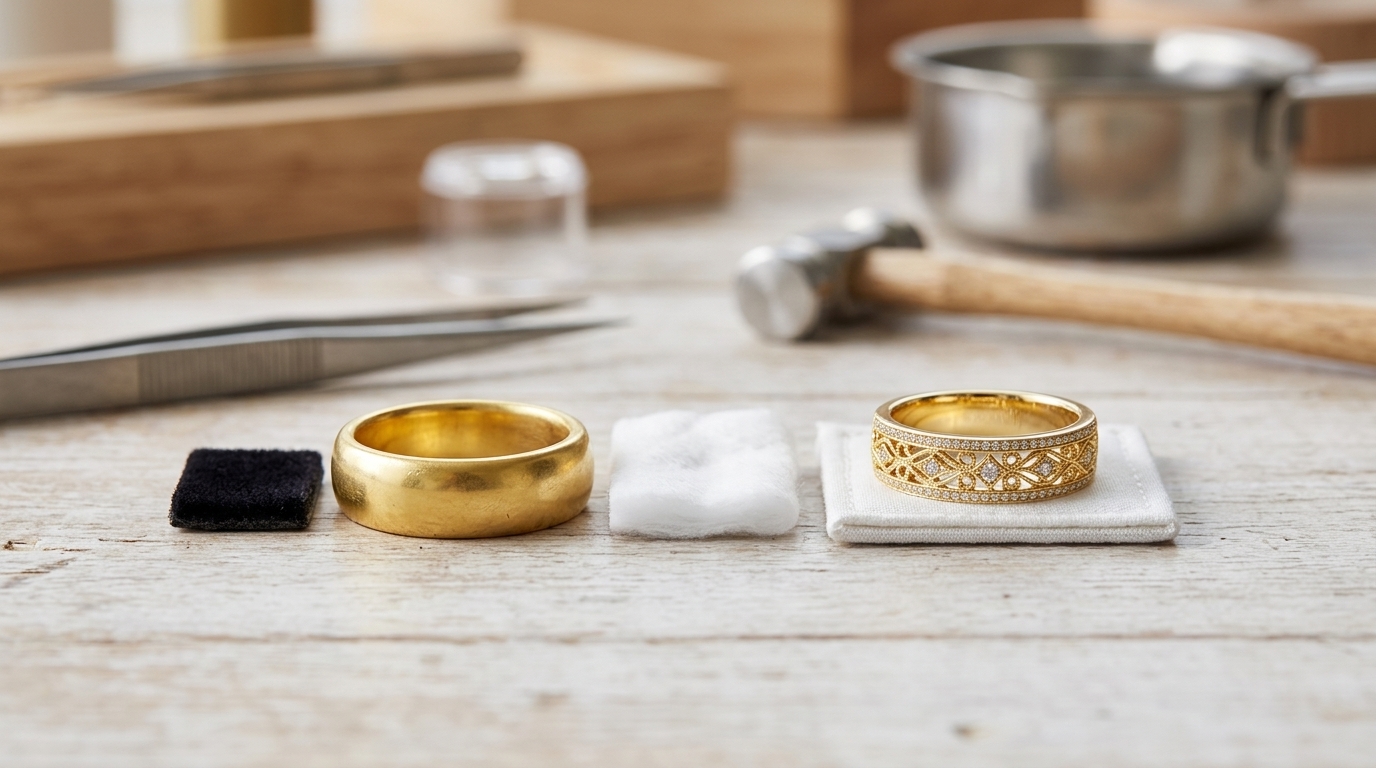
In contrast, 18K is reinforced with other metals, making it scratch-resistant and ideal for intricate craftsmanship.
This is why 18K is widely used for engagement rings featuring center stones or fashion jewelry with fine details.
However, if you have sensitive skin, you should keep in mind the potential for allergic reactions caused by trace amounts of other metals in 18K. Pure gold has the clear advantage that you can wear it with peace of mind, without worrying about it triggering allergies.
The Real Price Difference When Reselling
Many people only focus on the price paid at the time of purchase, but the true value of jewelry reveals itself when you resell it.
When purchasing 24K pure gold jewelry, you pay the daily quoted gold price plus the craftsmanship fee. 18K is likewise priced based on its gold content plus labor costs.
When buying, you pay for craftsmanship; when reselling, value is recognized solely based on the pure gold weight remaining in the piece.
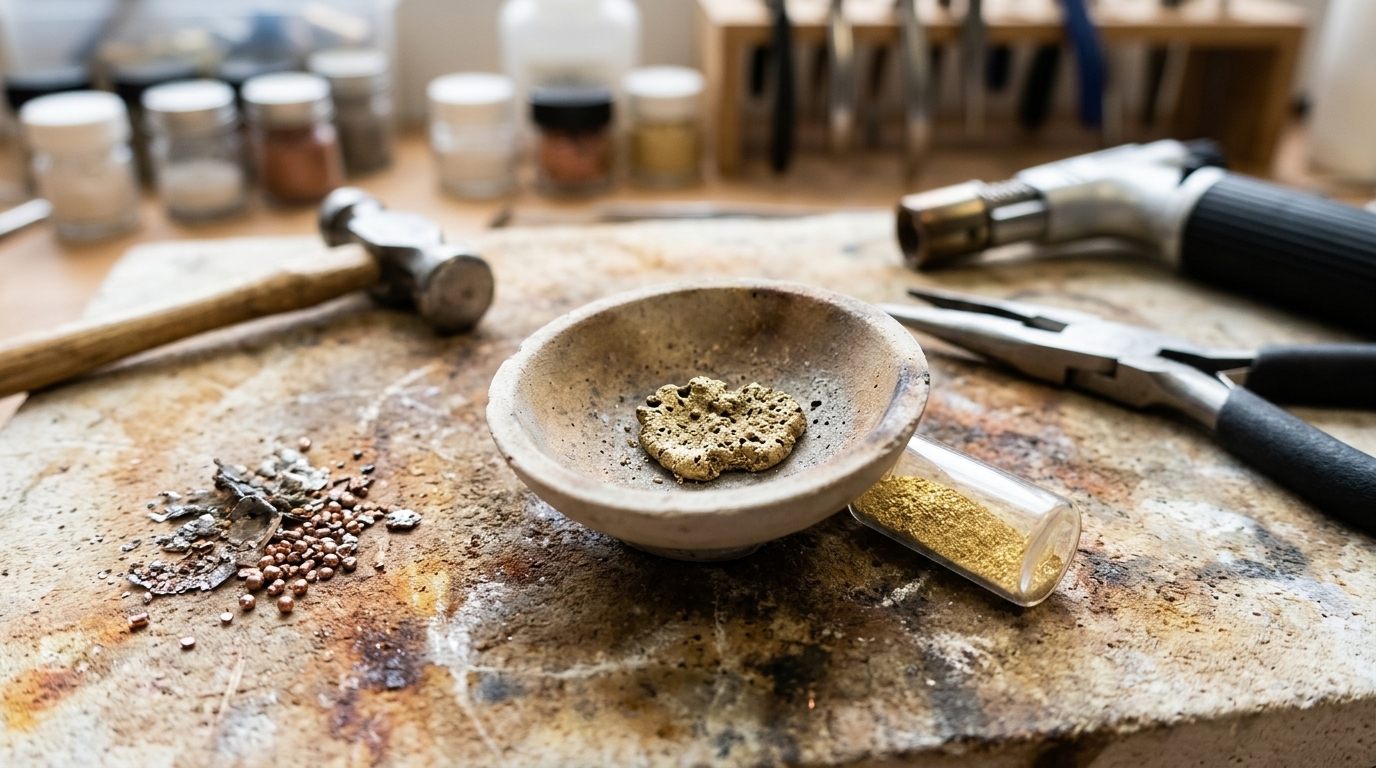
When selling an 18K piece, the price is calculated at around 75% of the pure gold price, with additional deductions for refining and dismantling fees required to separate the alloyed metals.
The high design and craftsmanship fees paid at the time of purchase are rarely recovered when reselling.
Pure gold, on the other hand, preserves the full intrinsic value of gold in line with market fluctuations, offering overwhelmingly superior asset protection. If you value a piece as a physical asset, pure gold holds a far stronger position.
Standards to Check for a Choice You Won't Regret
What criteria should guide your decision to ensure no regrets?
If you want to enjoy ornate designs, stone settings, and worry-free daily wear without fear of deformation, 18K is a suitable choice.
However, if you wish to preserve timeless value over the years or retain a secure physical asset that can be liquidated whenever needed, choosing pure gold is the wiser move.
When choosing pure gold, always check the exact purity marked on the piece (995 for jewelry) and its weight.
Because gold prices fluctuate daily, it is essential to verify that the daily market rate is applied transparently without unwarranted extra charges.
You should also consider future resale scenarios in advance. Some buyback dealers deduct significant refining assay fees citing melting and refining losses.
Simply confirming whether a seller provides clear, upfront guidance on how these fees are calculated can save you from substantial losses down the road.
Standards That Promise Transparent Value
Preserving the full value of pure gold requires clear standards, from crafting to post-purchase buyback.
To guarantee product quality and trust, be:bel attaches a hologram certification mark to every piece before dispatch. Furthermore, when you resell a product purchased from be:bel, no assay fees are charged, and the highest buyback price per equal weight is guaranteed.
Experience firsthand the reassuring weight of a physical asset that endures through time, far beyond mere adornment.
Discover be:bel's 24K pure gold lineup today, honestly reflecting daily gold prices.
Pure Gold Mall be:bel · Editor B