Comparing 24K, 18K, and 14K Gold: 3 Essential Criteria for Buying and Selling
Even with gold rings of the exact same weight, the actual amount of pure gold you hold and the amount you receive when reselling later differ completely depending on whether it is 24K, 18K, or 14K.
The key difference among 24K, 18K, and 14K lies in the pure gold content within the piece, which is the most crucial factor determining not only wearability and tarnishing resistance, but also the rate of value retention as an asset.
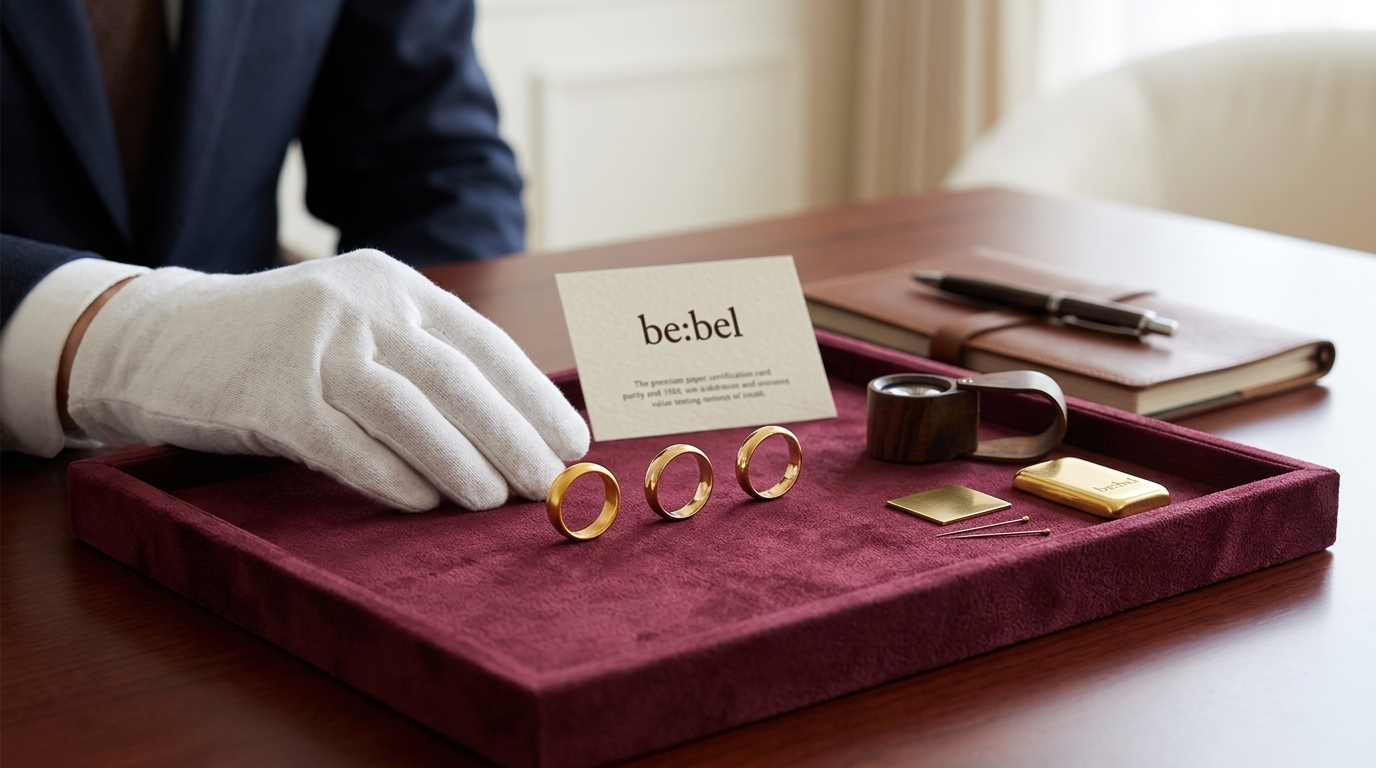
Many people choose jewelry based solely on design or the upfront price tag, only to be caught off guard by receiving far less than expected when selling it later.
Your criteria for selection must be distinct depending on whether the piece is for everyday fashion or a tangible asset that retains its full value over time.
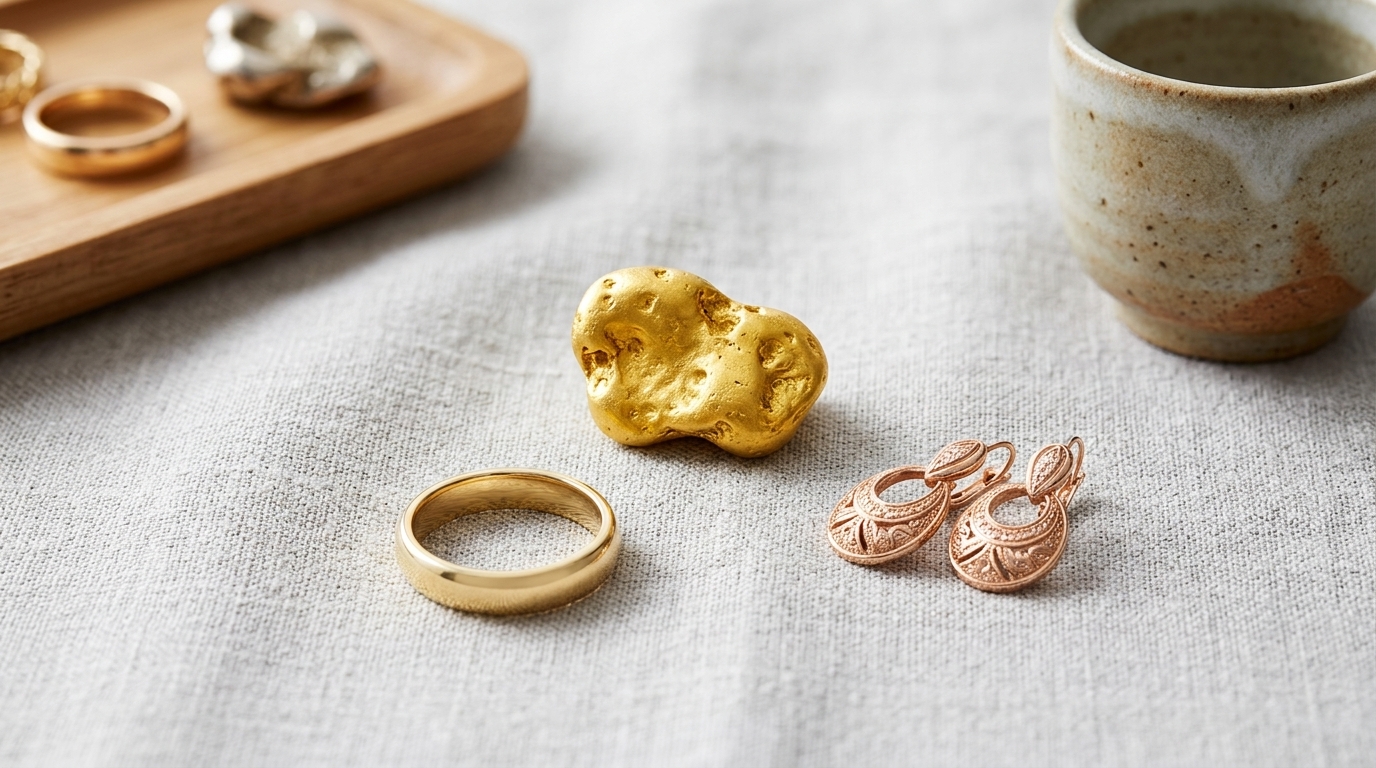
The Difference in Purity and Actual Gold Content Behind the Numbers
The "K" (Karat) marked on gold jewelry is a unit representing gold purity based on parts per 24. 24K represents pure gold without other mixed metals, while 18K means 18/24ths and 14K means 14/24ths of the piece consists of pure gold.
24K contains 99.5% or higher pure gold, 18K contains 75.0%, and 14K contains 58.5% pure gold.
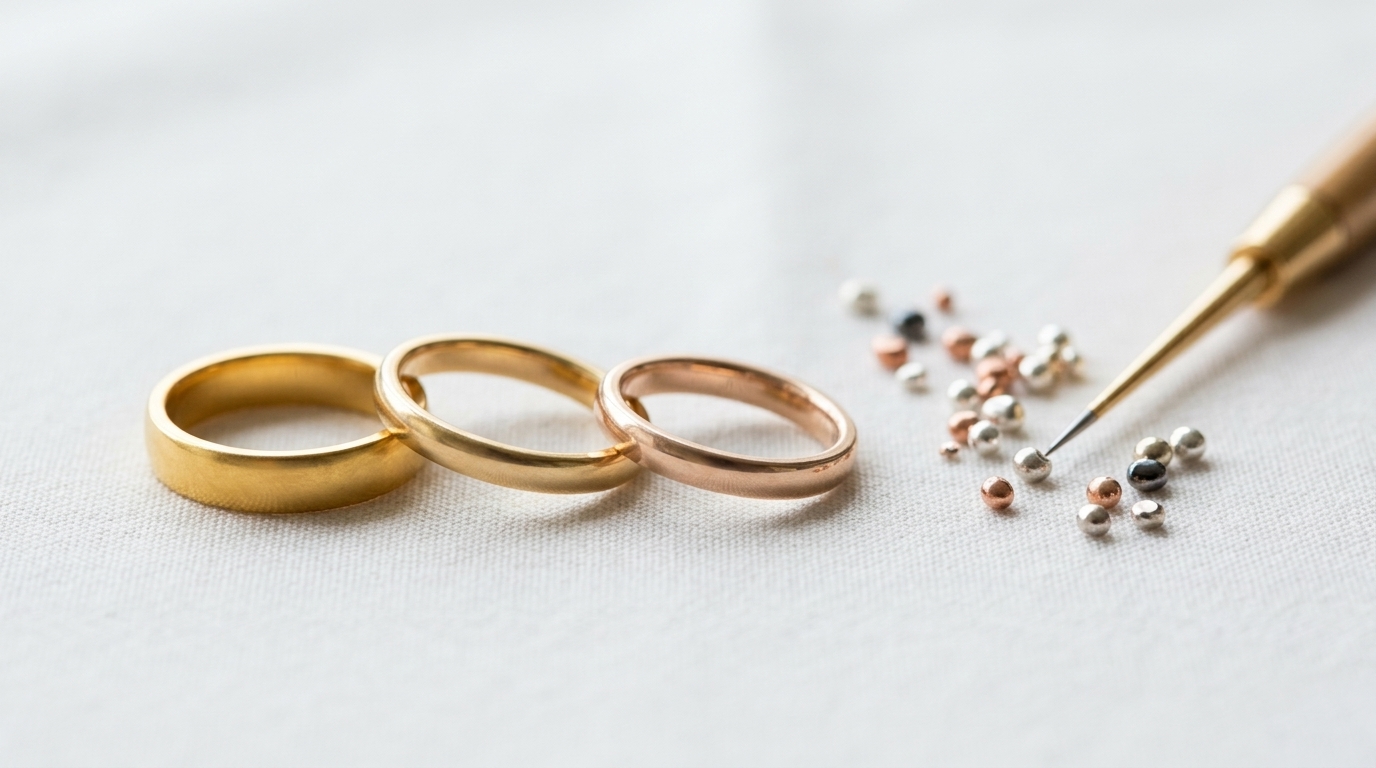
The remaining portion is filled by blending alloy metals such as silver, copper, zinc, or palladium to increase durability or create specific colors. If you purchase a 14K ring, nearly half of it—41.5%—consists of metals other than pure gold.
Even within 24K pure gold, distinctions in purity exist depending on the intended use.
Pure gold jewelry such as rings, necklaces, and bracelets requiring precise shaping and soldering is crafted at 995 purity (99.5%), while dol rings (Korean first-birthday gold rings) with relatively simpler structures are typically made at 999 purity (99.9%). The 99.99% purity—often referred to as "four nines"—is a standard applied to gold bullion bars rather than jewelry.
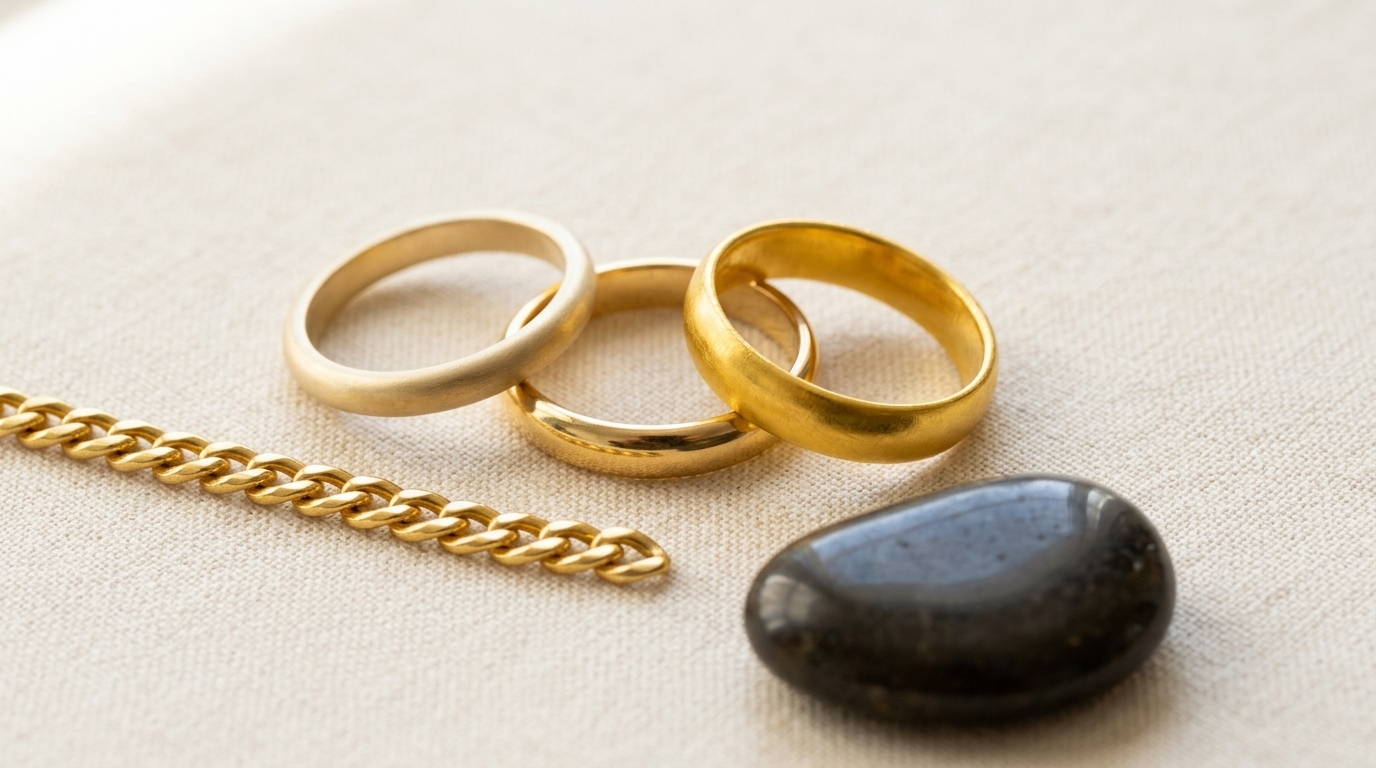
Hardness, Color, and Everyday Wear: Key Differences
24K pure gold has a distinctive, rich, and deep golden-yellow hue.
However, due to its high purity, it is soft and malleable, making it prone to scratches or dents when subjected to strong impacts or firm pressure from a fingernail. This is why there are some limitations when crafting intricate, ultra-fine detailing or densely set gemstones.
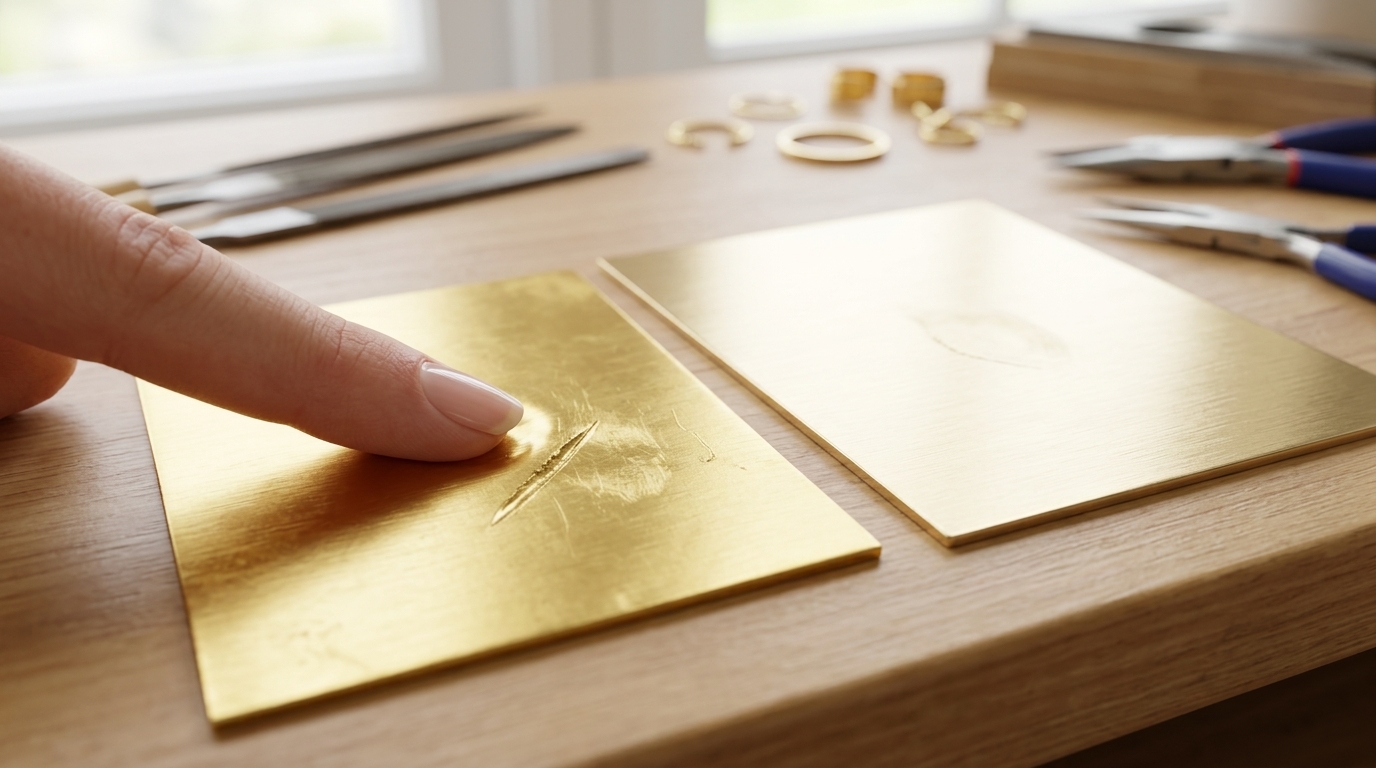
In contrast, 18K and 14K gold are alloyed with other metals to significantly increase hardness, making them solid and resistant to deformation.
They are well-suited for delicate, intricate details and can reliably achieve a diverse range of colors—such as rose gold and white gold—based on alloy ratios, making them widely used for everyday fashion jewelry.
The difference in coloration is also distinct. 18K maintains a soft golden-yellow hue close to pure gold, whereas 14K exhibits a lighter, paler yellow tone due to its lower gold content.
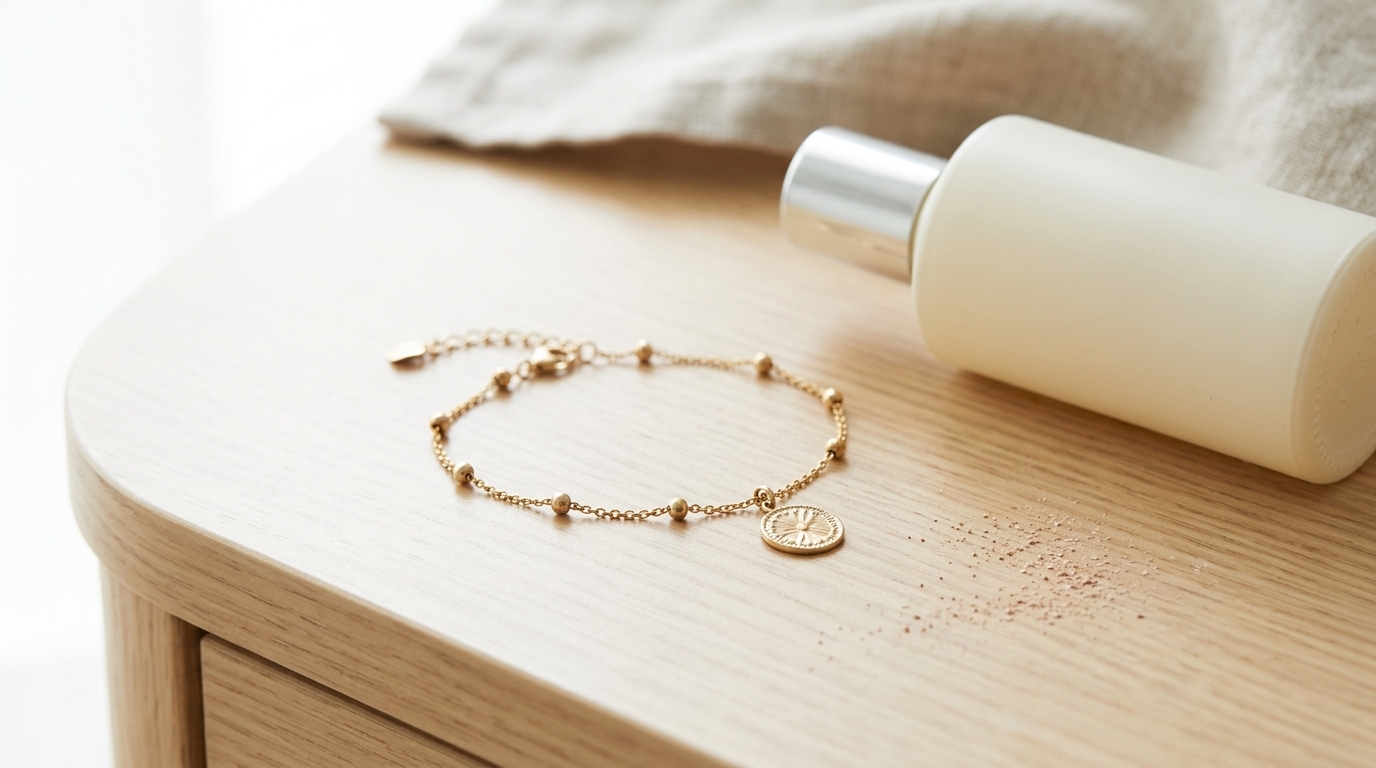
When it comes to tarnishing, 24K pure gold never oxidizes and preserves its original luster over time, while 14K, with its higher alloy ratio, may show subtle tarnishing or discoloration when exposed to sweat, cosmetics, or airborne substances over extended periods.
Purchase Price vs. Resale Value: How the Pricing Structure Works
When you purchase gold jewelry, the retail price includes not only the raw gold value, but also design and craftsmanship fees, brand margins, and alloying costs.
However, reselling is an entirely different story. Resellers and buyback dealers do not credit craftsmanship or design costs; they calculate the buyback price strictly based on the pure gold weight contained in the piece.

For 14K and 18K gold, craftsmanship and alloy costs make up a significant portion of the retail price, resulting in a relatively lower recovery rate relative to the original purchase price upon resale.
When selling a 14K piece, only 58.5% of its total weight is counted as gold, and for 18K, only 75%. Furthermore, refining fees incurred during the process of separating pure gold from the alloys are deducted, inevitably widening the loss.
In contrast, the price of 24K pure gold jewelry consists mostly of the raw pure gold material cost. Because it can be liquidated reflecting almost the full official daily gold price, it offers the greatest advantage for preserving value as a tangible asset while delivering wearing satisfaction.
Since gold prices fluctuate daily, it is essential to first check the accurate market rate on the day you plan to buy or sell.

Essential Criteria to Check for a Regret-Free Decision
When choosing gold jewelry, clarifying your purpose and verifying a few essential standards can help minimize financial loss.
First, verify the certification system that proves the actual purity matches the hallmarked gold content on the piece.
Checking whether a reliable hologram certification mark is affixed to the product ensures peace of mind. For pure gold jewelry, confirming that the standard 995 purity is strictly maintained is fundamental.
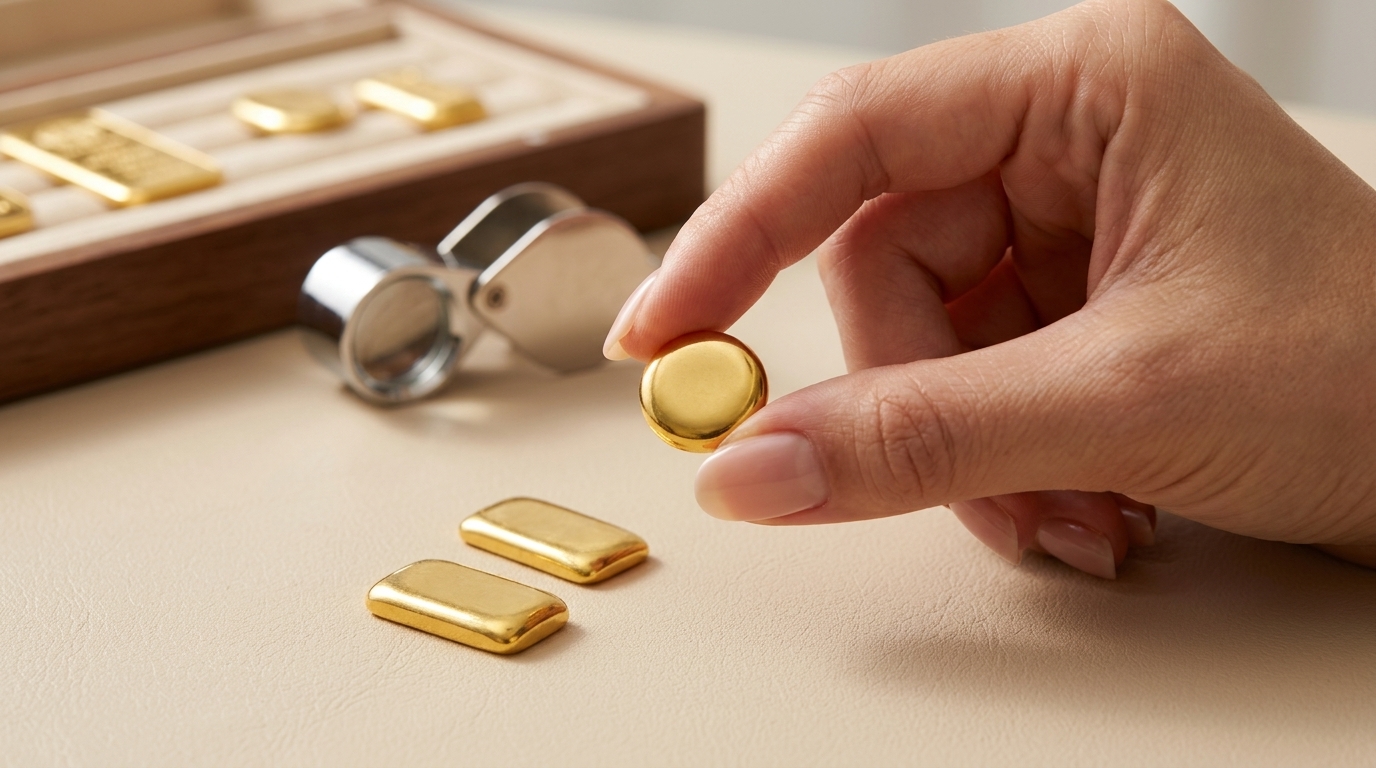
Second, examine whether the buyback conditions for reselling are transparently disclosed.
Most buyback dealers deduct a fee called an "assay fee" (refining loss fee) to account for weight loss when melting and re-refining pure gold.
Depending on how much this assay fee is deducted and what buyback standards the brand applies to its own products, the final payout you receive can vary significantly.
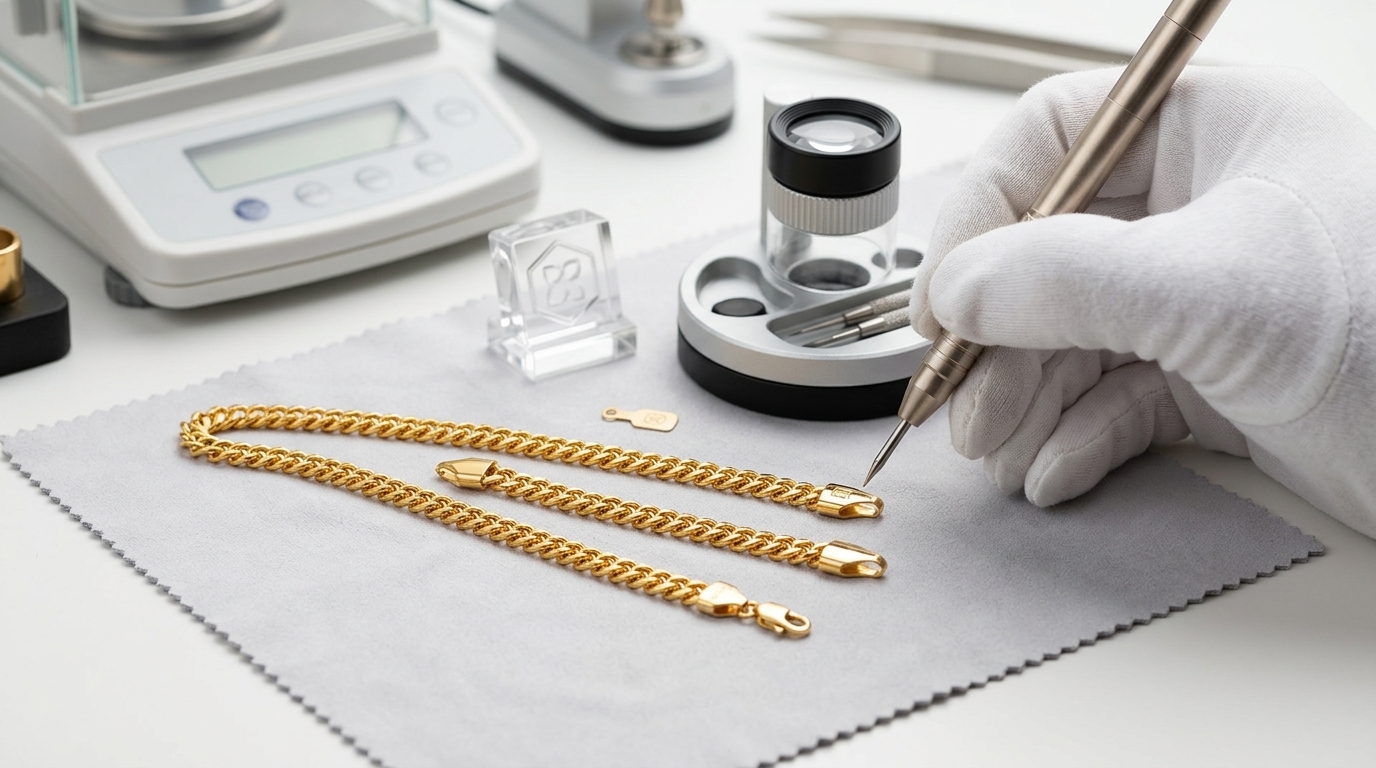
be:bel exclusively crafts pure gold jewelry strictly adhering to the 995 purity standard, shipping every piece with its proprietary hologram mark attached to guarantee quality.
Furthermore, pieces purchased from be:bel qualify for top-tier buyback prices based on equivalent weight when resold later, returning full value without deducting any assay fees for re-refining.
If you desire both the elegance of wearing fine jewelry and enduring tangible value that withstands the test of time, explore the real-time pure gold collection updated daily on the official be:bel online store with its transparent buyback policies.
Pure Gold Mall be:bel · Editor B