
GUIDE
The Proper Standards for Storing and Caring for Pure-Gold Jewelry
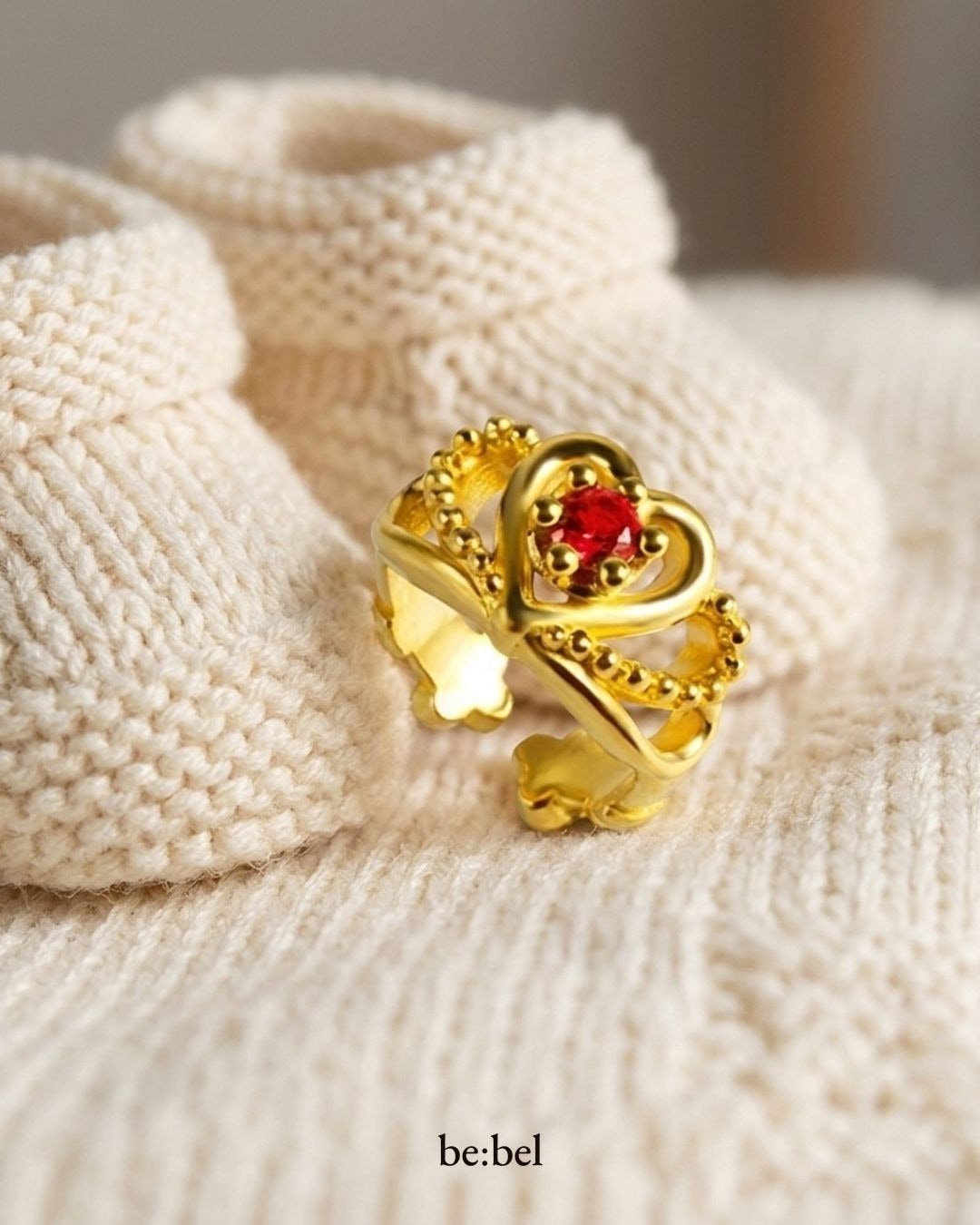
Pure-gold jewelry is inherently soft and malleable, making separate storage to avoid friction and protection from chemicals essential. Cultivating mindful daily care habits and carefully examining purity and structural craftsmanship will preserve its original luster for years to come.
The Soft Nature of Pure Gold and the Principle of Individual Storage
Pure gold contains virtually no impurities, displaying its signature deep, warm yellow hue, yet it possesses a soft, supple texture comparable in hardness to a fingernail. In contrast, alloyed jewelry such as 14K or 18K, silver, diamonds, and colored gemstones have far harder surfaces than pure gold.
When these pieces are stored together in a single jewelry box, even minor vibrations and friction cause harder metals to scratch the soft surface of pure gold, leaving fine marks. The primary reason pure gold loses its luster over time is not aging itself, but light scattering across surfaces abraded by contact with other metals. Storing each piece individually in a soft fabric pouch or a separate compartment is an essential habit.
Caring for Chains and Dol Rings to Prevent Tangling and Deformation
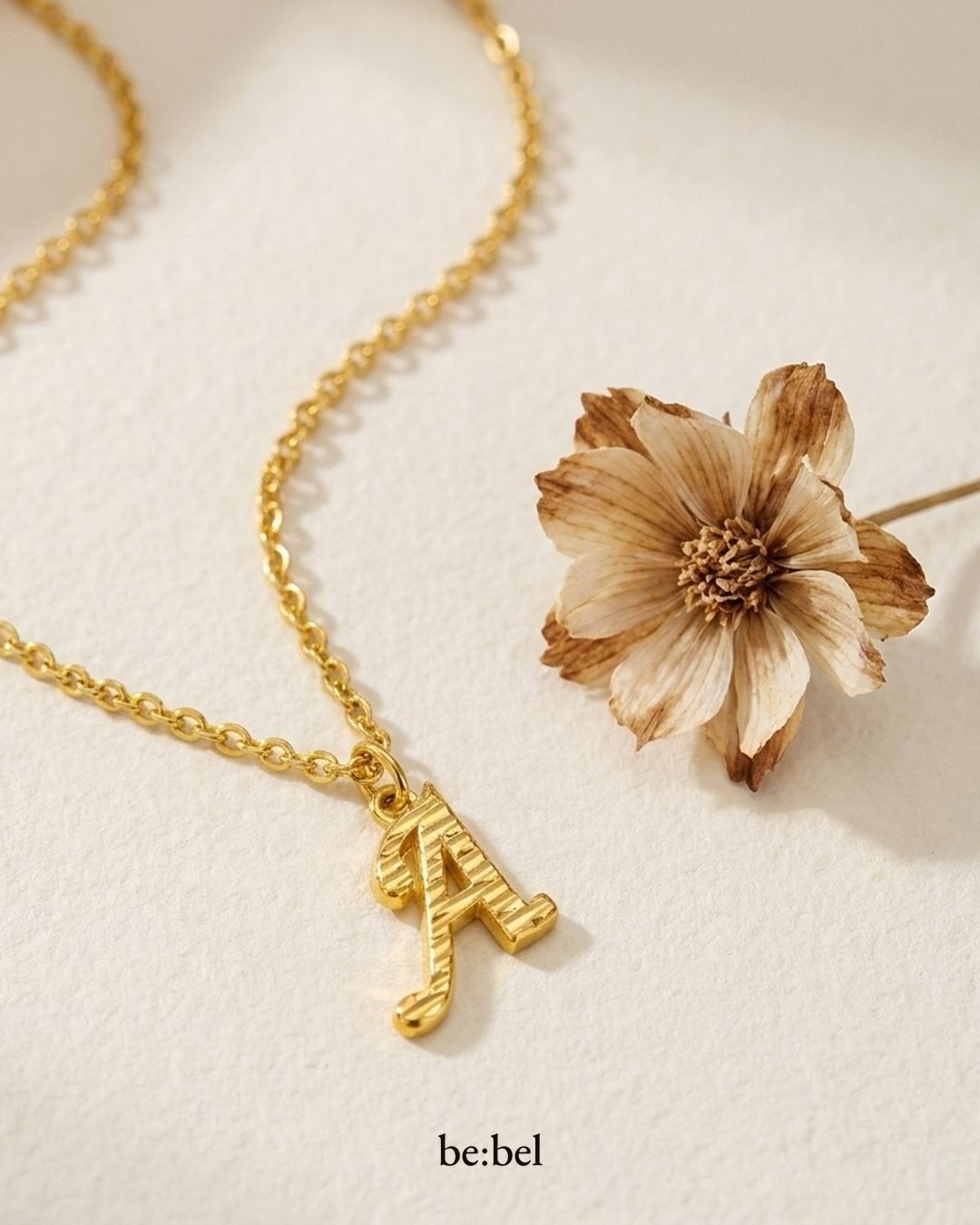
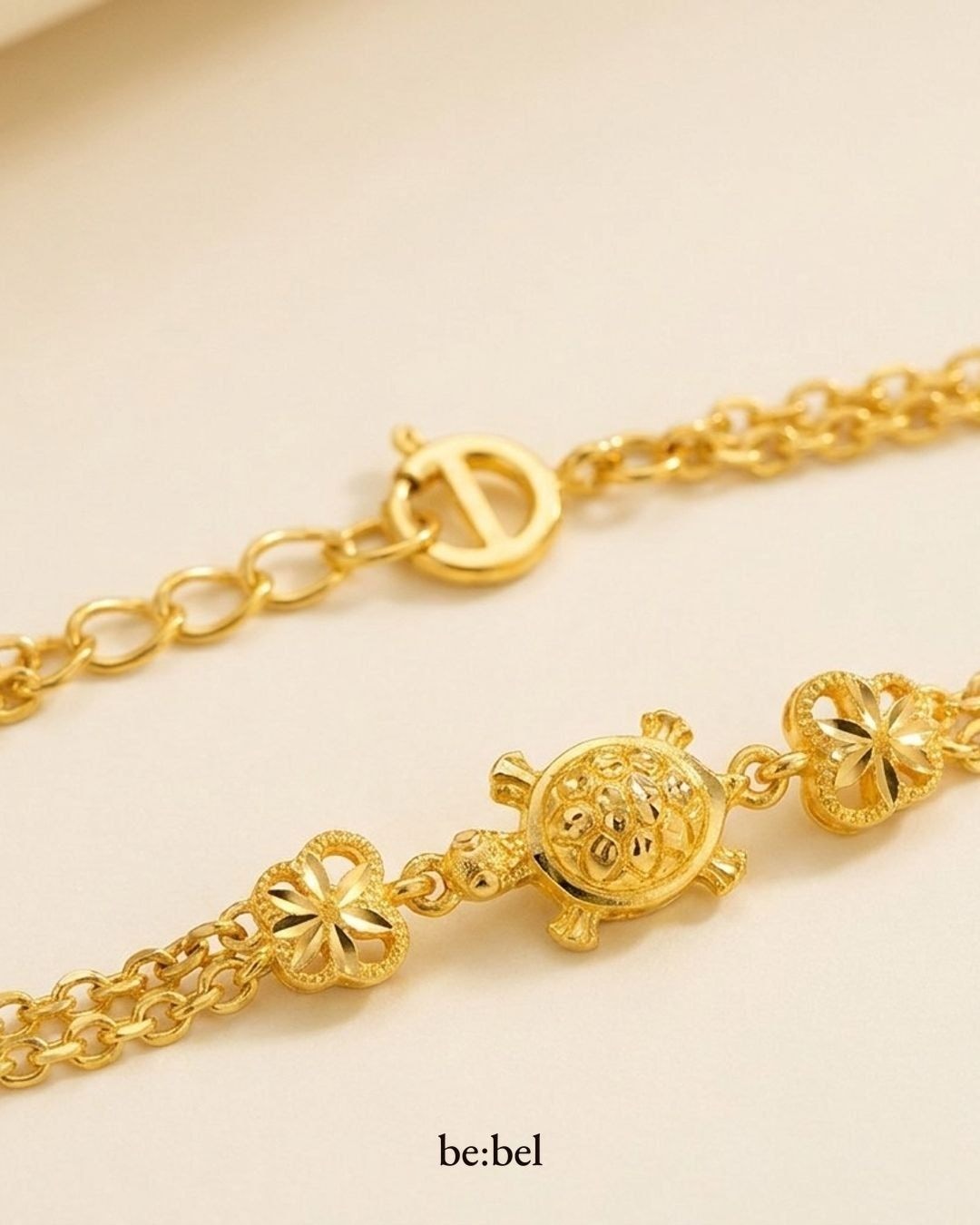
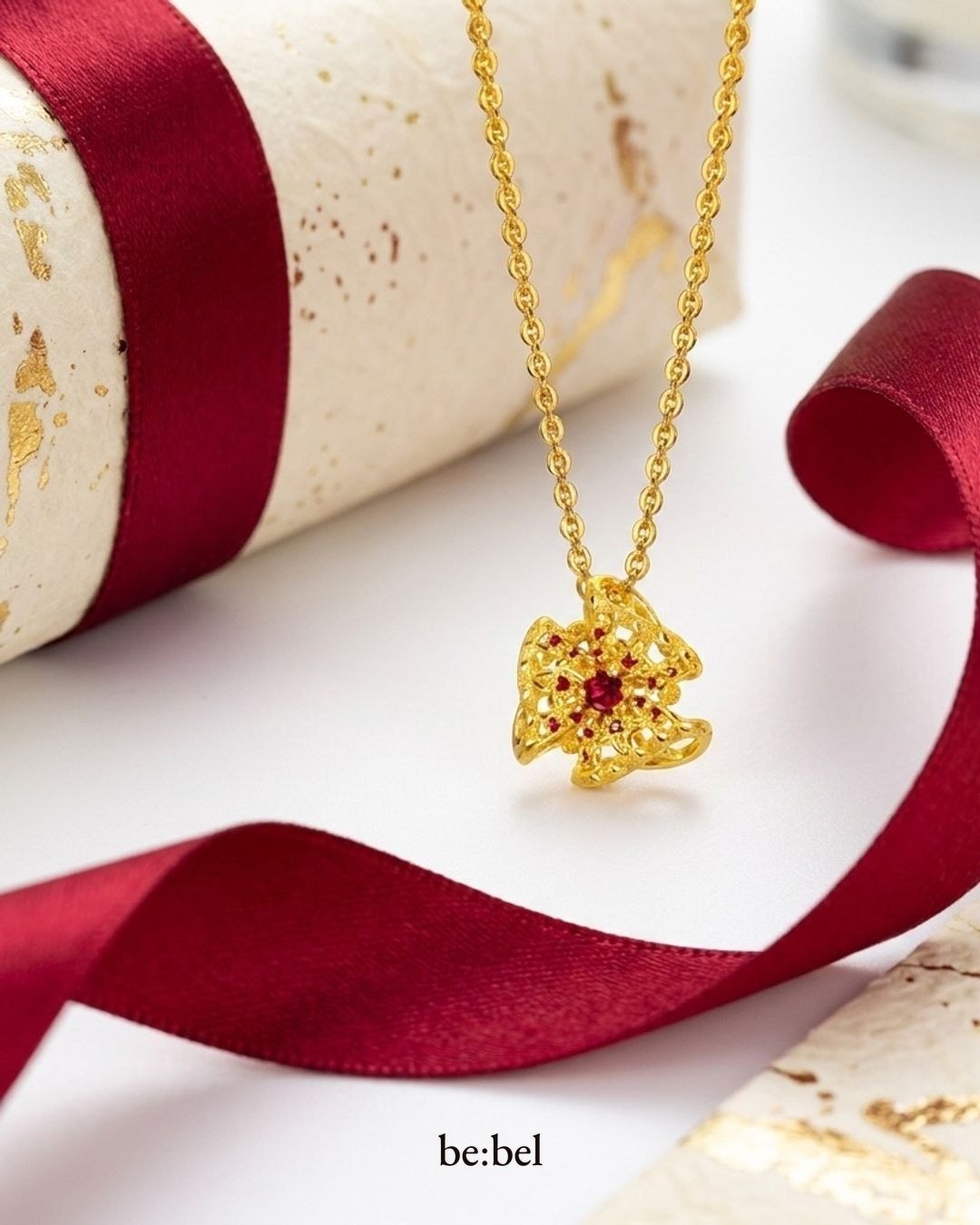
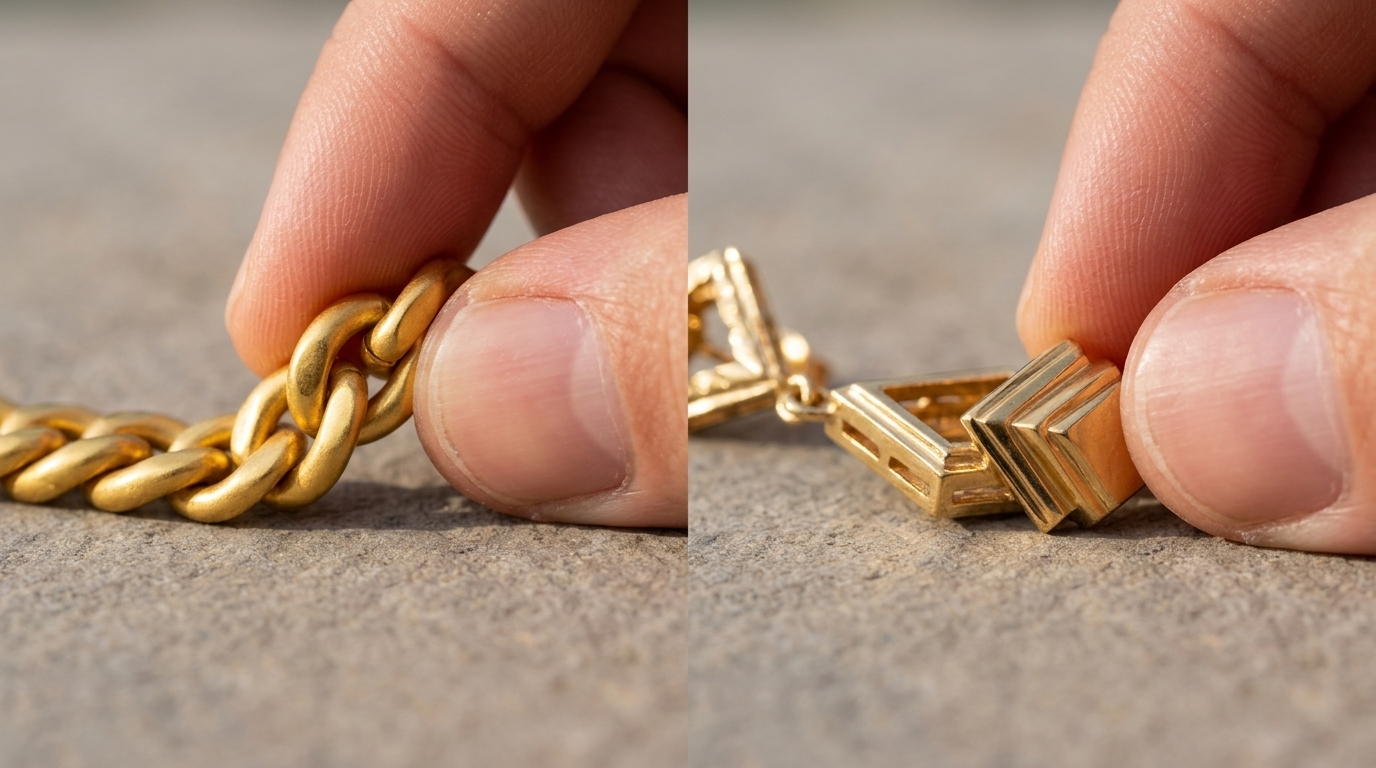
Chain jewelry such as necklaces and bracelets requires delicate handling to prevent tangling during storage. Forcibly pulling a knotted chain can stretch or break the malleable pure-gold links; it is safer to fasten the clasp and hang the piece on a jewelry stand or lay it flat on a lined tray. When traveling, placing the body of the chain inside a small zip pouch while leaving only the clasp outside effectively prevents twisting.
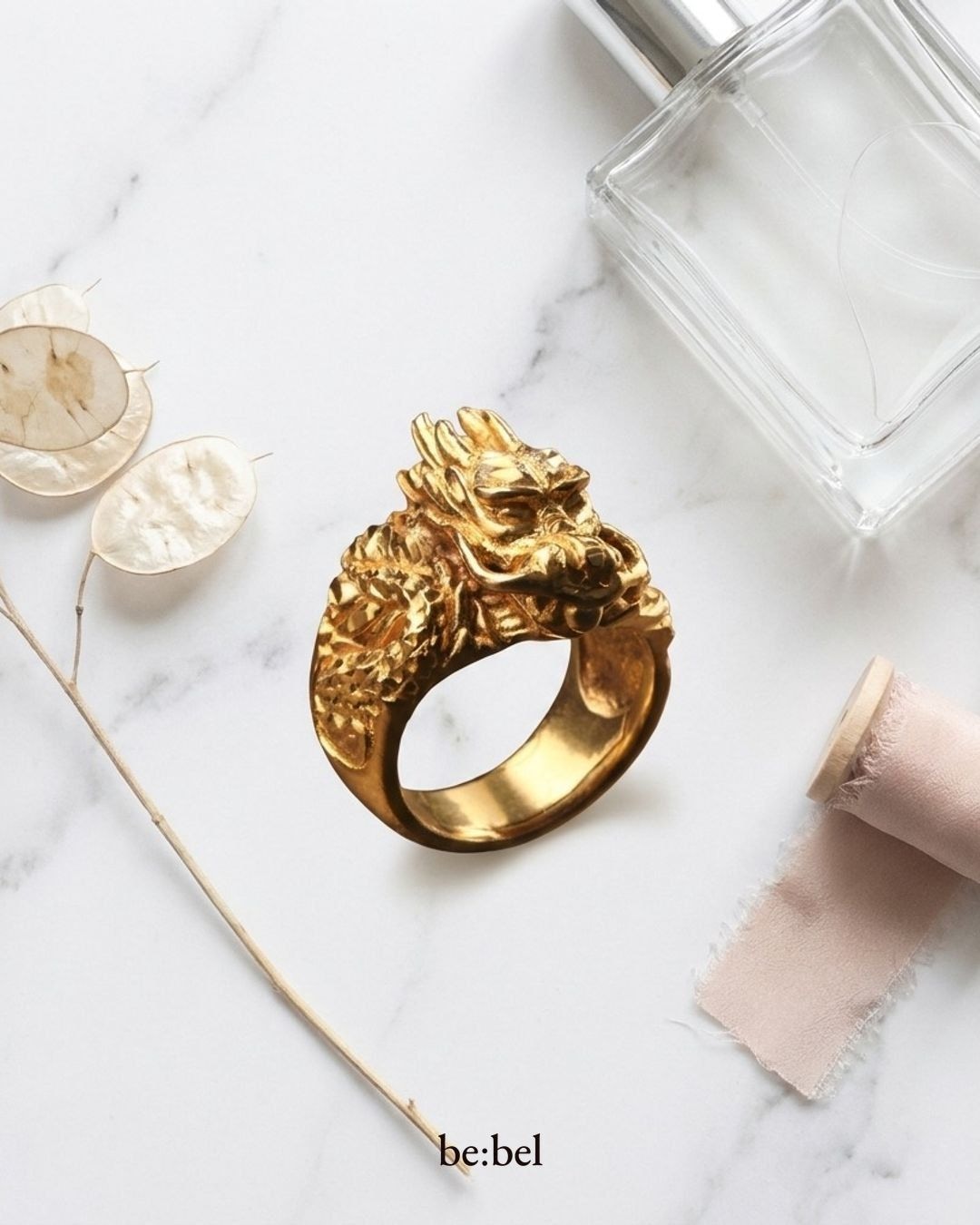
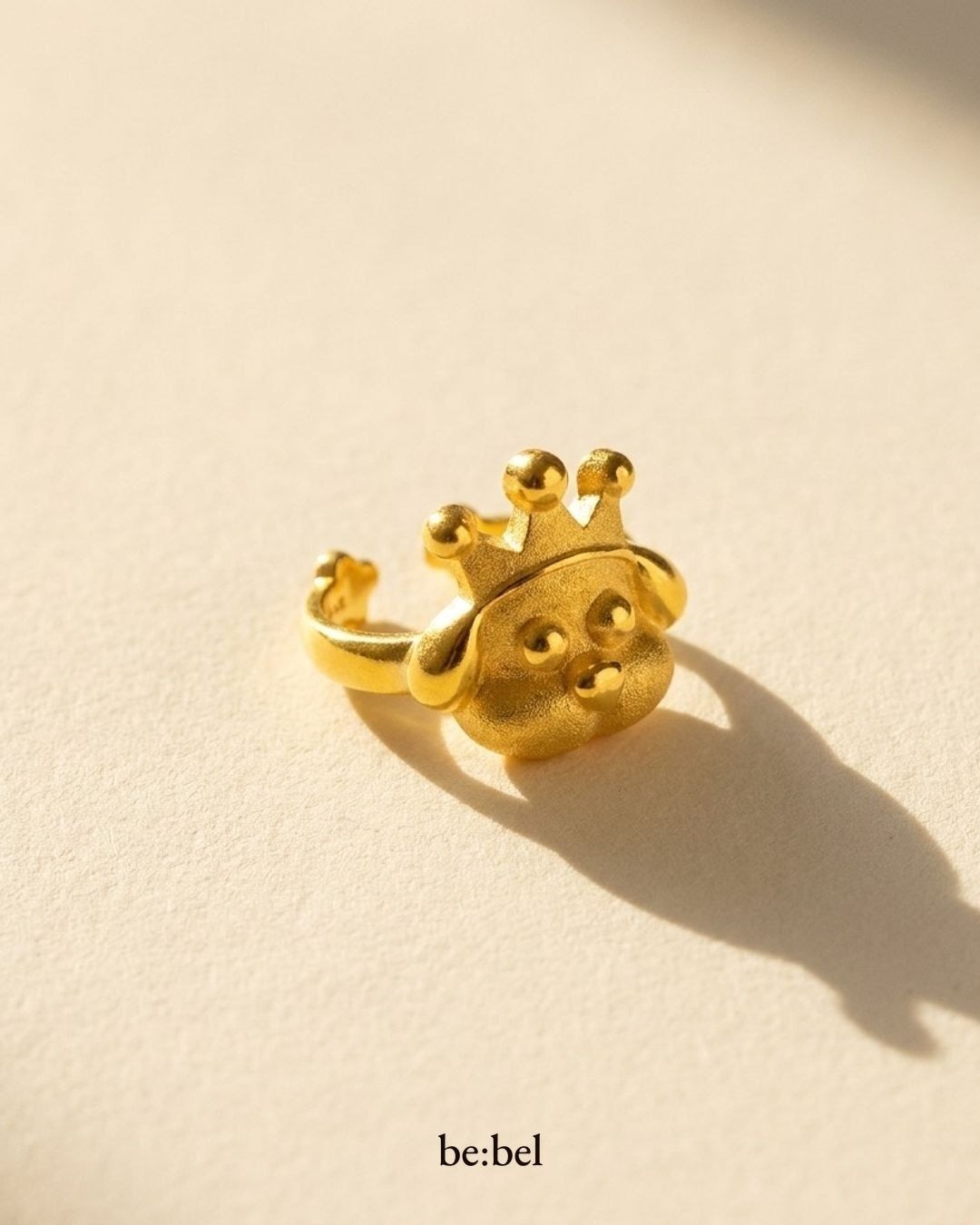
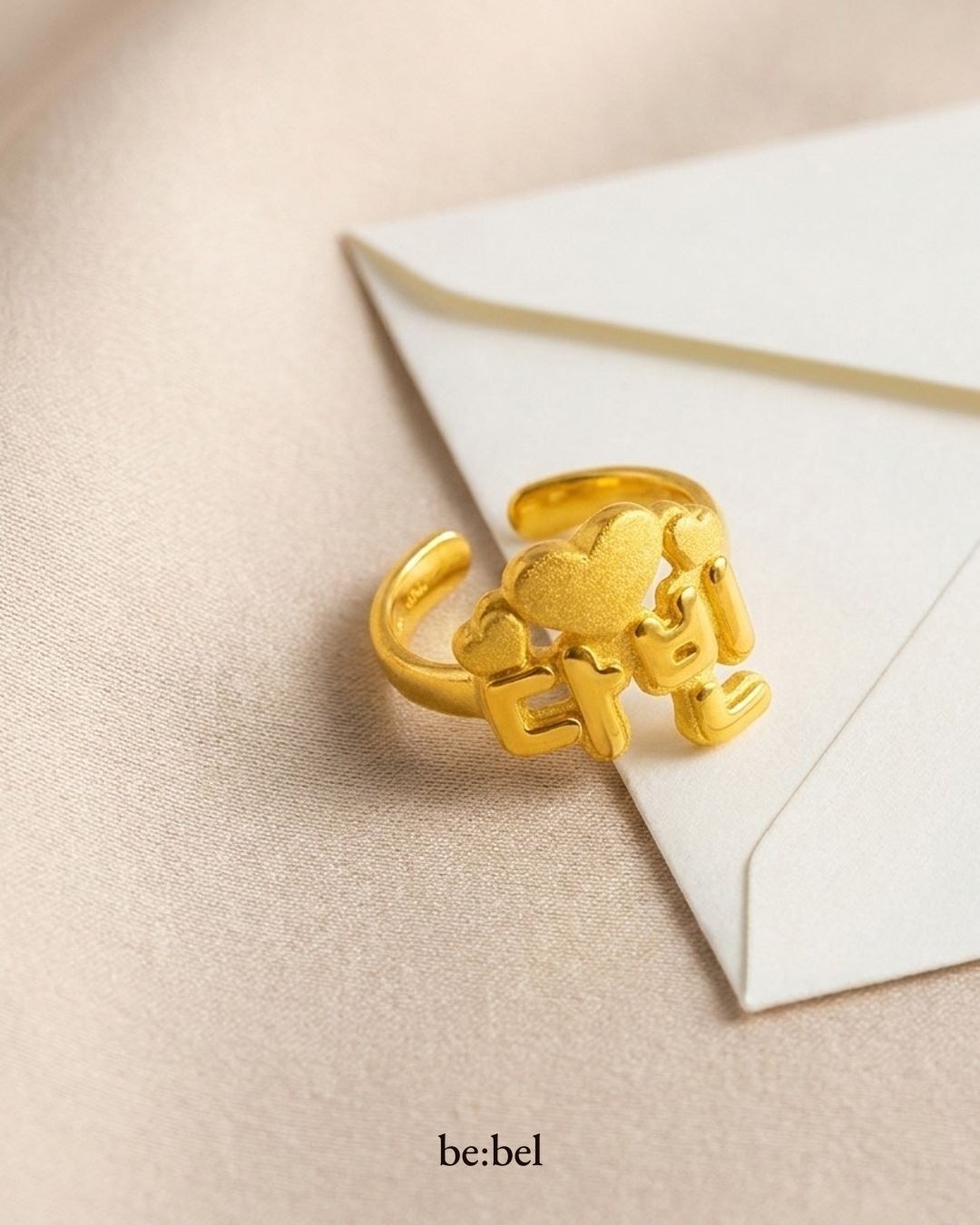
Dol rings, crafted at a purity of 99.9% (999), are also remarkably ductile and can bend under the simple pressure of fingers. Storing multiple dol rings together in a single pouch or box risks denting their edges against one another or leaving deep surface scratches. They should be stored in individual cases lined with flannel or velvet, kept away from direct sunlight and humidity.
Shielding from Moisture and Chemicals, and Proper Daily Cleaning
Pure gold does not readily oxidize or rust in the air, yet sweat, sebum, cosmetics, perfume, and fine airborne dust adhering to the surface can dull its brilliance. In particular, contact with trace amounts of mercury in cosmetics or ointments causes an amalgamation reaction that turns the surface white, while exposure to sulfur or chlorine can leave a stained film. Never leave your pieces on bathroom shelves or vanity tables.
After wearing, gently wipe away surface oils and perspiration with a soft microfiber cloth, place the piece in an airtight pouch or dedicated jewelry box, and include a desiccant to maintain a dry environment. When cleaning is needed, add a few drops of mild detergent to lukewarm water, soak for 5 to 10 minutes, gently brush with a soft infant toothbrush, rinse thoroughly, and dry completely. Toothpaste and polishing cloths wear away the surface of pure gold, causing minute weight loss, and must never be used.
Criteria for Choosing Pure-Gold Jewelry for a Lifetime of Wear
Preserving the full value of pure-gold jewelry requires not only careful storage and maintenance, but also the discerning eye to select pieces built with trustworthy craftsmanship from the start. The first step is verifying that the piece is crafted to an honest standard of purity: 995 (99.5%) for pure-gold jewelry, and 999 (99.9%) for dol rings.
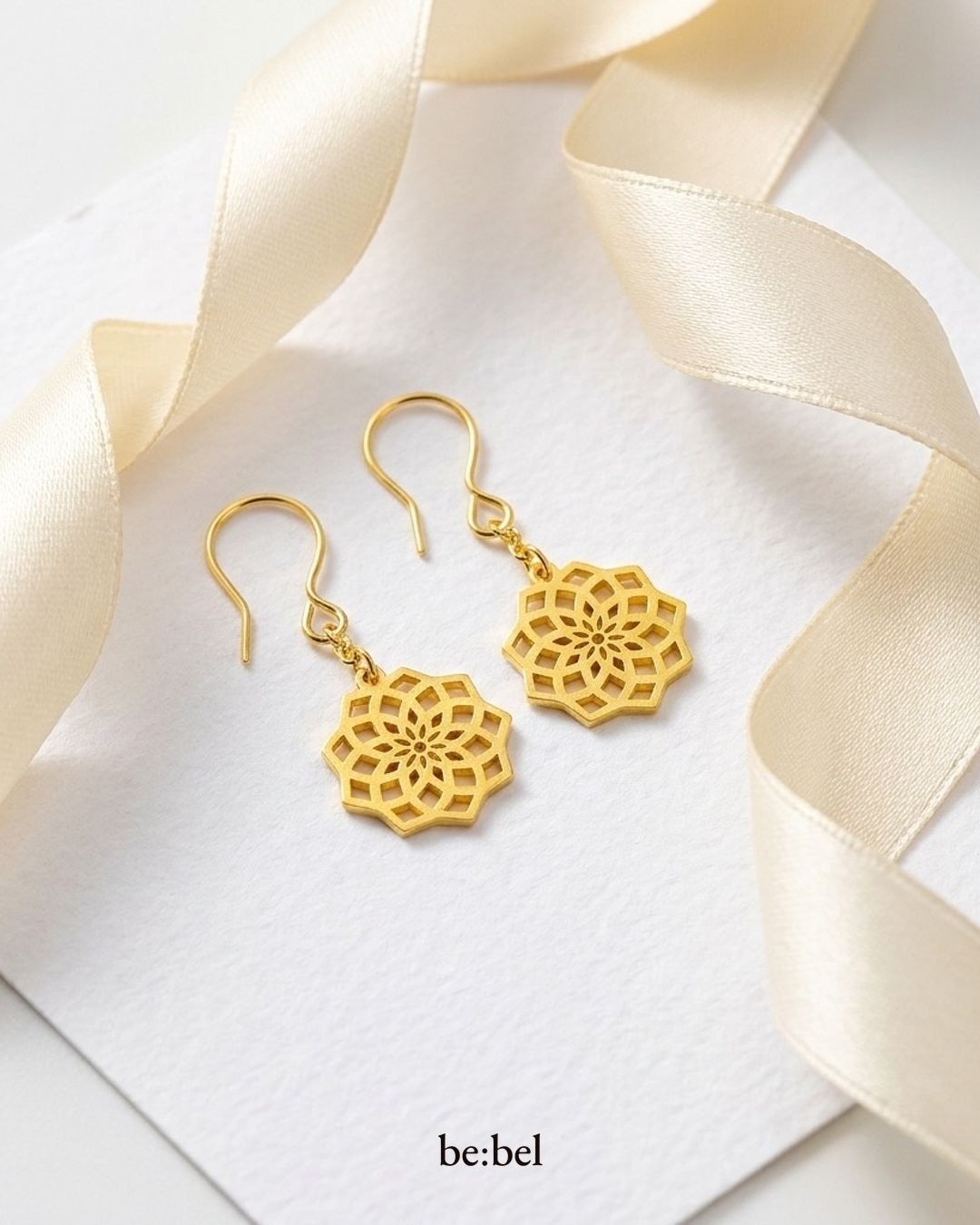
Structural engineering suited to daily wear must also be considered. For necklaces and bracelets, clasps that are opened and closed daily are crafted in 18K to prevent loosening or wear, while extra gold is added to ensure the total amount of pure gold precisely matches the ordered weight (3.75 g per 1 don). For earrings, practical criteria include verifying that the posts are crafted entirely in pure gold and that silicone earring backs are provided as standard.
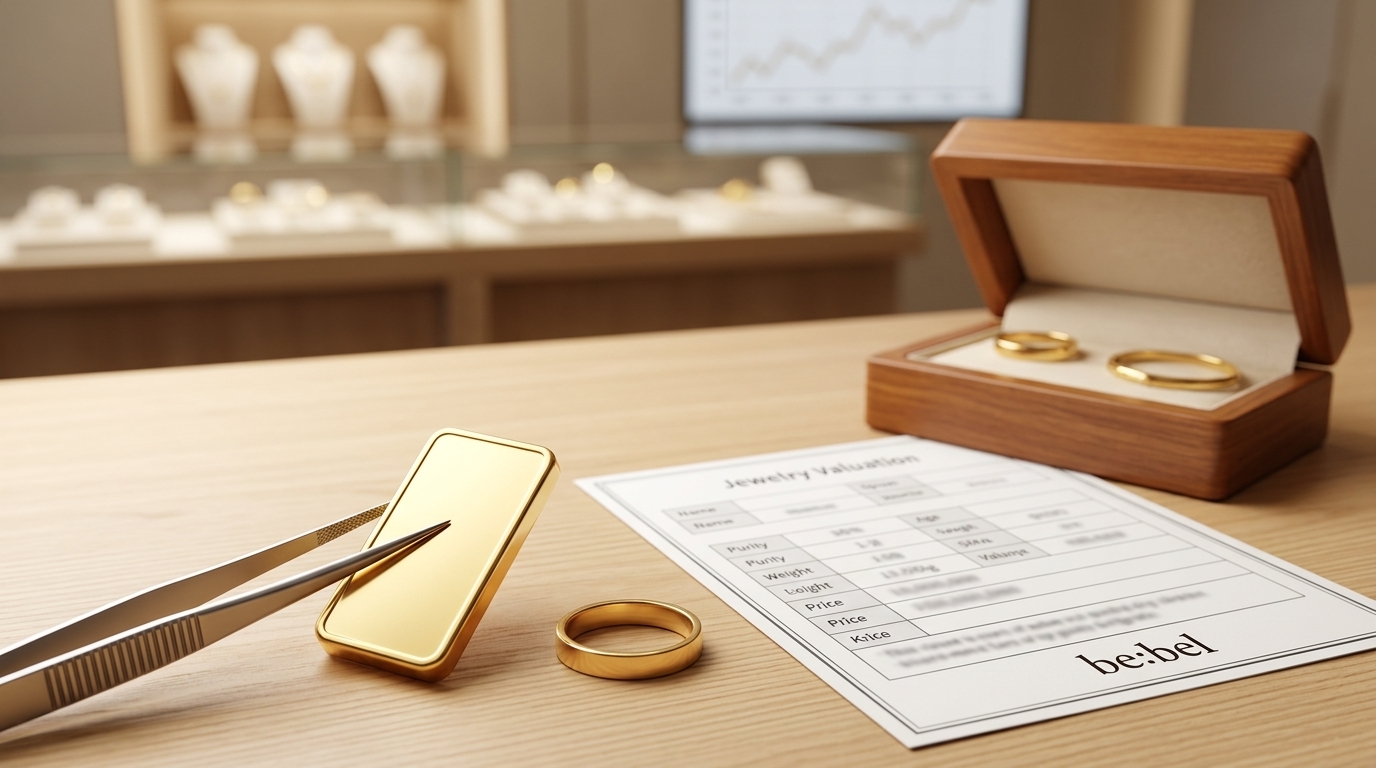
Finally, a definitive way to safeguard lasting value is to confirm whether the piece bears a proprietary hologram hallmark certifying its quality, and whether the brand offers a clear standard for future buyback at the highest prevailing rate per weight without deducting assay fees.
Frequently Asked Questions
Fine scratches have appeared on my pure-gold jewelry. Can I use metal polish?
Metal polish and toothpaste contain abrasives that can wear down the soft surface of pure gold and cause fine weight loss. It is safer to dissolve a mild detergent in lukewarm water and gently wipe away surface impurities using a soft infant toothbrush or a microfiber cloth.
Why are the clasps on be:bel necklaces and bracelets crafted in 18K?
Due to the malleable nature of pure gold, clasps made from it carry the risk of loosening or deforming easily. For durability, be:bel crafts only the clasps of necklaces and bracelets in 18K gold, adding additional gold to make up for the difference from the 18K gold used, ensuring the actual pure gold content precisely matches the ordered weight. Rings and earrings do not feature clasps.
What should I do if the surface of pure gold turns white?
This is likely an amalgamation reaction caused by contact with mercury compounds found in certain whitening cosmetics or ointments. It cannot be removed with water or cloth; because it requires specialized heat treatment to vaporize the mercury, do not attempt to treat it at home, but entrust it to a professional atelier for cleaning.
Journal Articles Behind This Guide
- Jewelry Storage: Why Should Pure-Gold Necklaces Be Kept Separate from Other Gemstones?
- Dol Ring Storage: Why Does Leaving Them in a Drawer Cause Them to Lose Shape?
- Why Gold Changes Color and How to Resolve Pure-Gold Discoloration
- Pure-Gold Scratch Care: 4 Key Precautions and Cleaning & Storage Methods to Preserve Value
- Preserving Precious Asset Value: A Complete Guide to 5 Gold Storage Precautions