How to Store Gold to Protect Asset Value: 5 Essential Care Guidelines
If you have ever experienced the heartbreak of taking a pure gold necklace out of a drawer after several months only to find it covered in fine scratches or having lost its luster, it is time to check your storage environment. Gold is known as an imperishable precious metal that does not easily rust in the air, but in physical jewelry form, pure gold is far softer and more sensitive to its surroundings than you might think.
The core of proper gold storage can be summarized in just two key principles: "individual separation" to completely block friction against other items, and "airtight sealing" to protect the surface from chemicals and moisture.
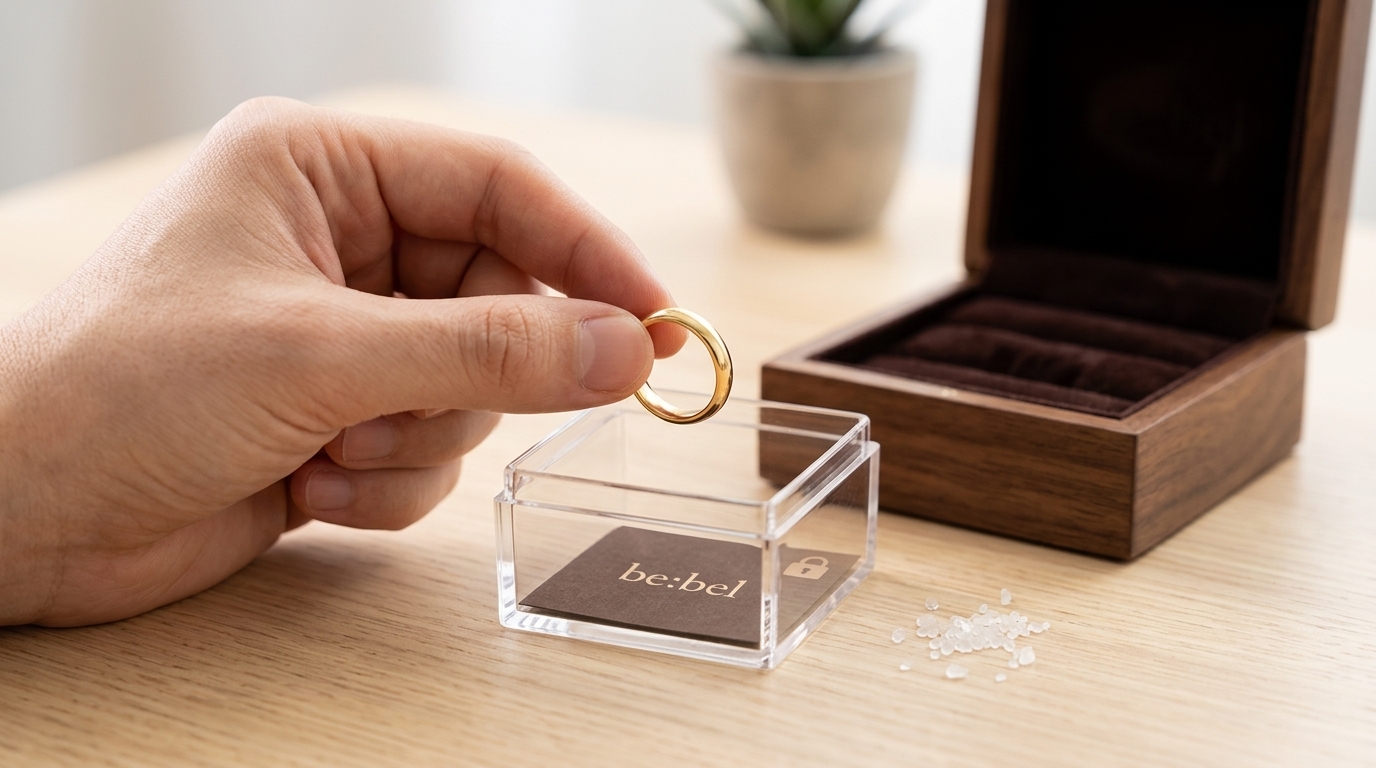
Many people tend to store multiple pieces of jewelry together in a single, expensive jewelry box. However, this small habit is the primary cause of pure gold losing its shape and suffering surface erosion. Let's look into the essential care tips you need to know to fully preserve the value of gold, both as a precious asset and as beautiful jewelry.
What Happens When You Store Multiple Pieces of Jewelry Together
On the mineral hardness scale, pure gold (24K) is exceptionally soft—comparable to a human fingernail. In contrast, alloys like 14K or 18K gold, silver, and gemstones such as diamonds or cubic zirconia have a much harder surface.
When you mix these pieces together in a single pouch or jewelry box compartment, the harder jewelry will scratch the surface of the pure gold every time the box is moved. Over time, repeated micro-friction will wear away pure gold's delicate textures and engravings, and in severe cases, even bend its shape.
"Pure gold is more vulnerable to friction than to air. A deep scratch can form from just a second of impact, which is why it must always be stored in its own independent space."
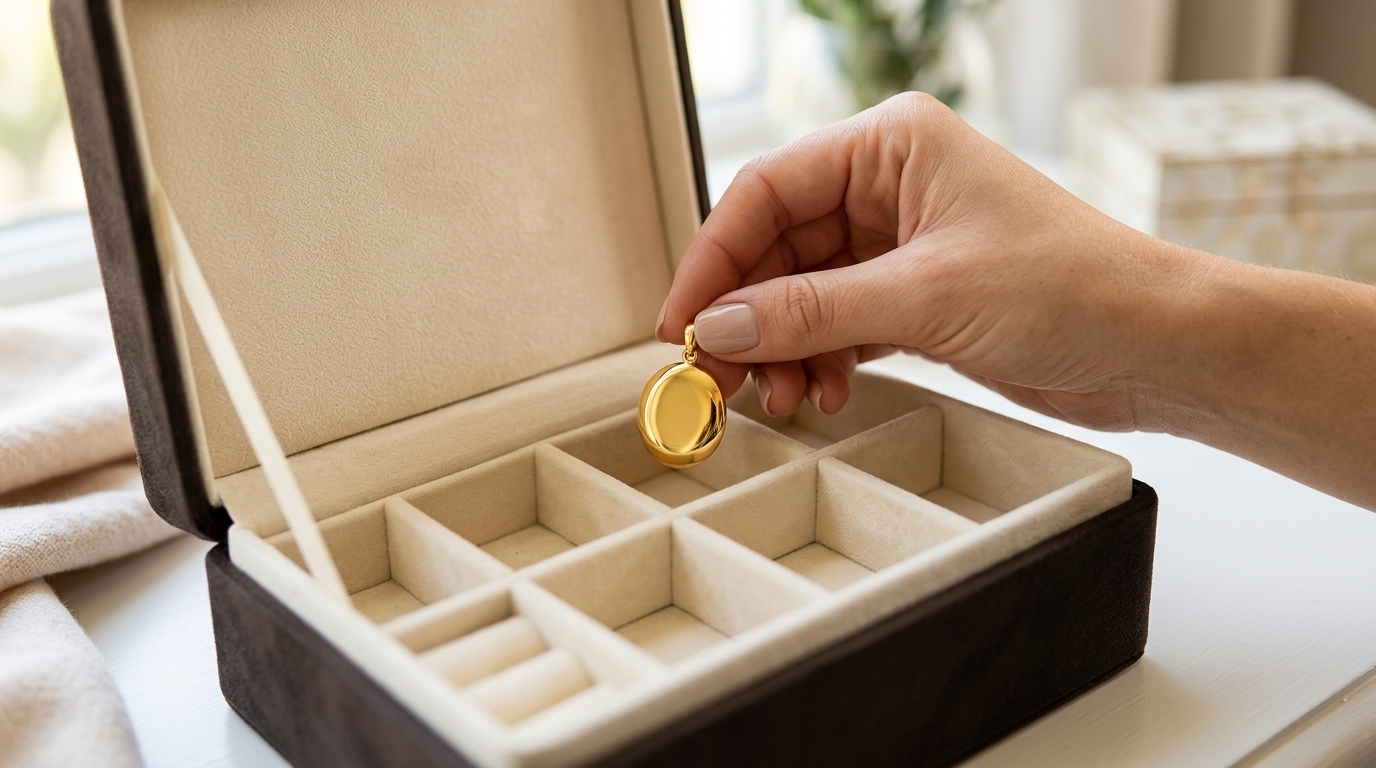
The best method is to assign one soft fabric pouch per piece of jewelry. Even if you use a zippered jewelry box, choose one with clearly separated compartments and an interior lined with velvet or soft suede.
Chain-style necklaces and bracelets also require care regarding tangling. Once a pure gold chain becomes tightly tangled, the force applied while untangling it carries a very high risk of stretching or snapping the links.
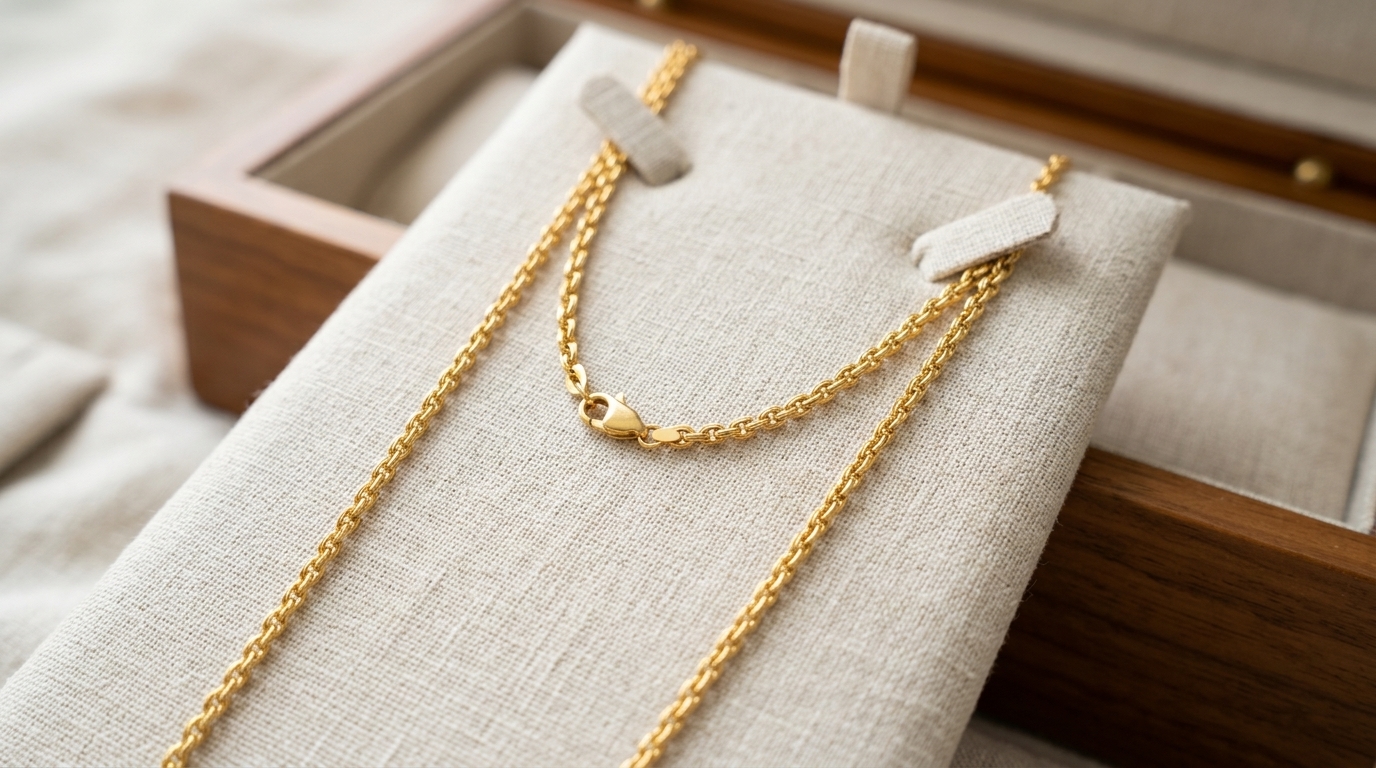
When storing chain jewelry, always fasten the clasp and lay the piece flat, or hang it on a dedicated display pad where one end can be secured safely.
Plastic Zipper Bags vs. Safes: Which Environment Is Safest?
When storing gold as a physical asset without wearing it for long periods, airtight storage that minimizes contact with air is essential. Small plastic zipper bags are a convenient tool for this purpose.
However, you should never use just any plastic bag. Many low-cost plastic bags on the market contain plasticizers (PVC). When left in close contact with gold over time, these chemicals can leach out, forming a sticky oil film on the metal surface or causing discoloration.
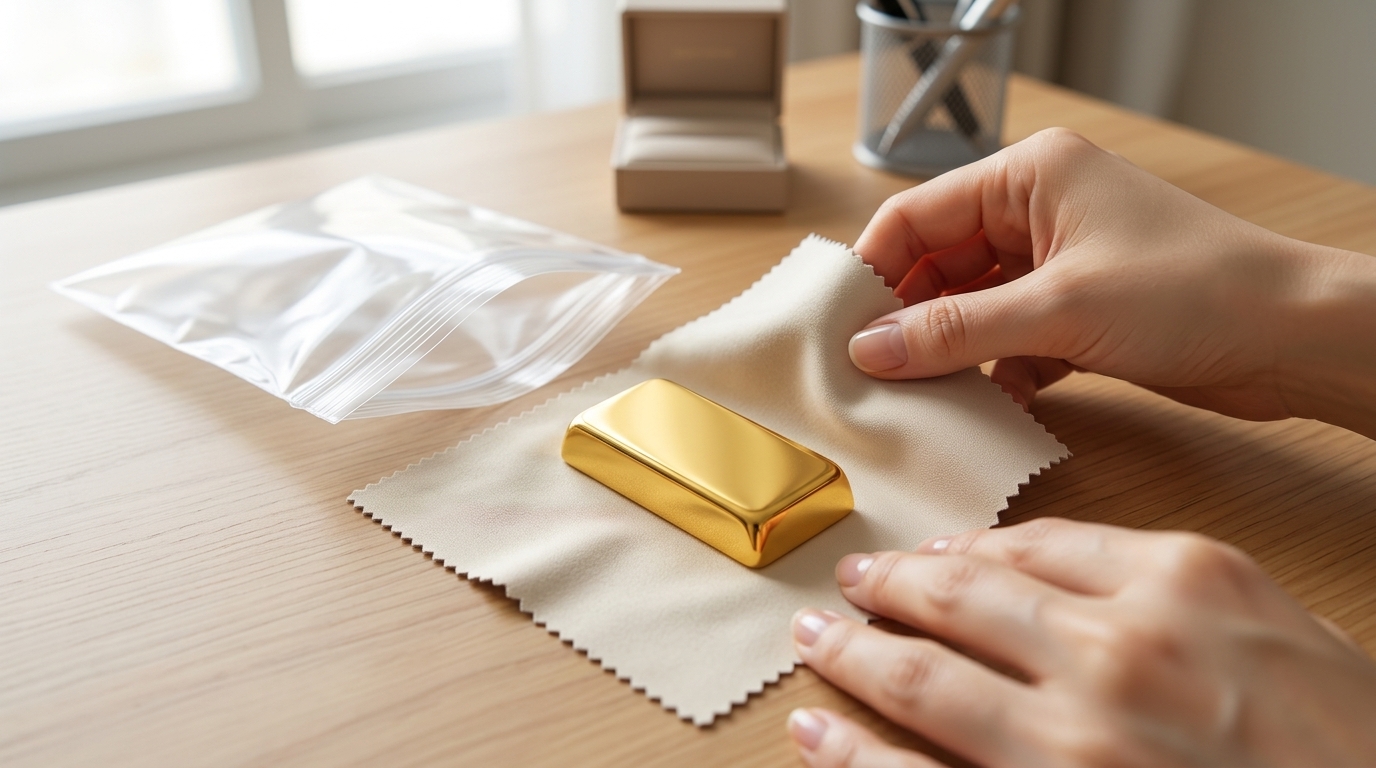
When placing gold items in plastic, it is best to use non-toxic polyethylene (PE) zipper bags or anti-tarnish films specifically made for precious metals. Before bagging, wrap the surface in a soft microfiber cloth or jewelry polishing cloth, place it in the zipper bag, and press out as much air as possible before sealing.
"When using plastic zipper bags, the key is to choose non-toxic materials free of plasticizers and include a desiccant to lower the internal humidity."
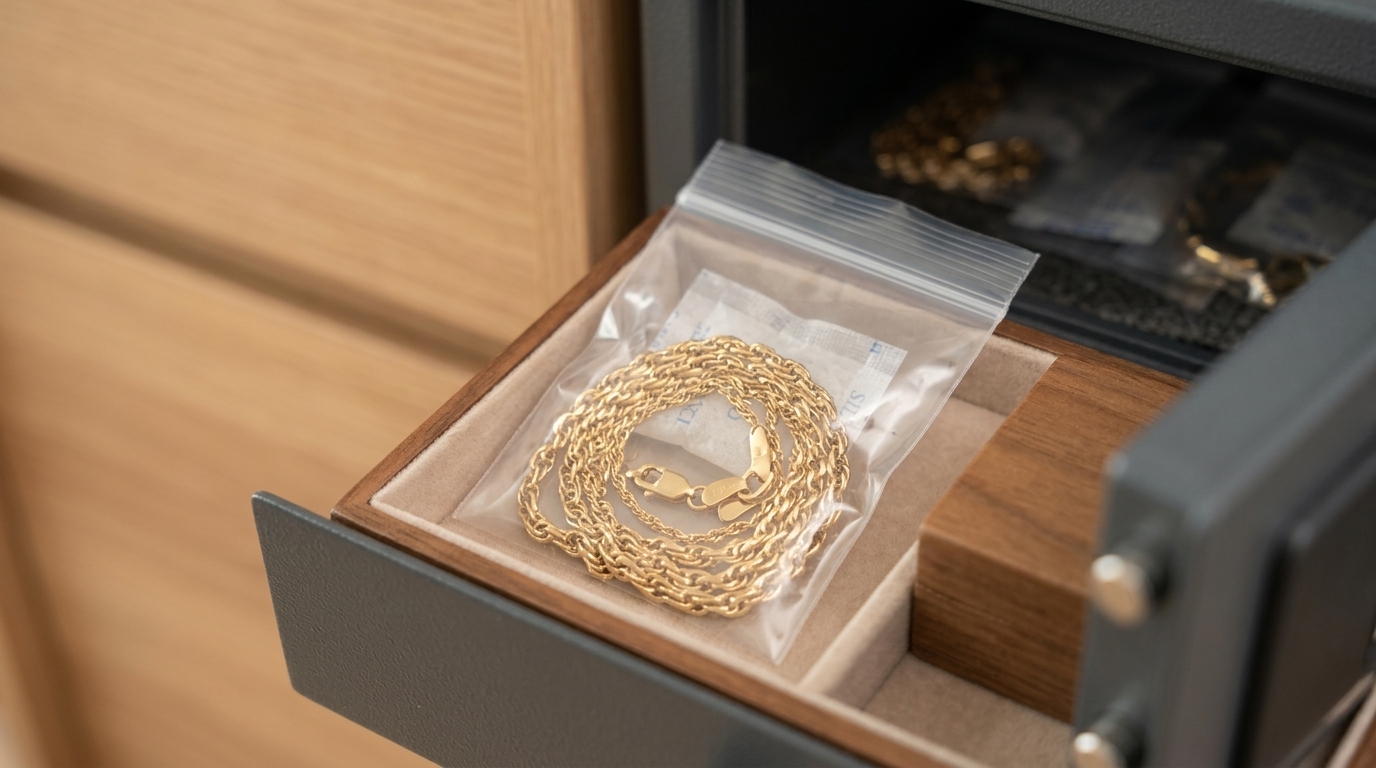
When storing gold in a home safe or drawer, you must pay attention to managing internal humidity. Even if pure gold itself does not oxidize, the 18K components used in necklace or bracelet clasps, as well as surrounding hardware, can react with moisture and discolor.
Placing a small desiccant like silica gel in a corner of the safe helps absorb interior moisture, making a significant difference in keeping your metals in pristine condition.
Gold Bars vs. Jewelry: Different Storage Standards by Form
Gold bars held as a wealth defense asset and pure gold jewelry worn in daily life require slightly different care approaches.
Gold bars minted with four-nines (99.99%) purity are usually sealed and released in dedicated blister packs or capsules that protect their shape and display their certification details. The moment this packaging is opened, the bar is exposed to airborne dust and fingerprints, introducing the risk of micro-weight loss and surface damage.
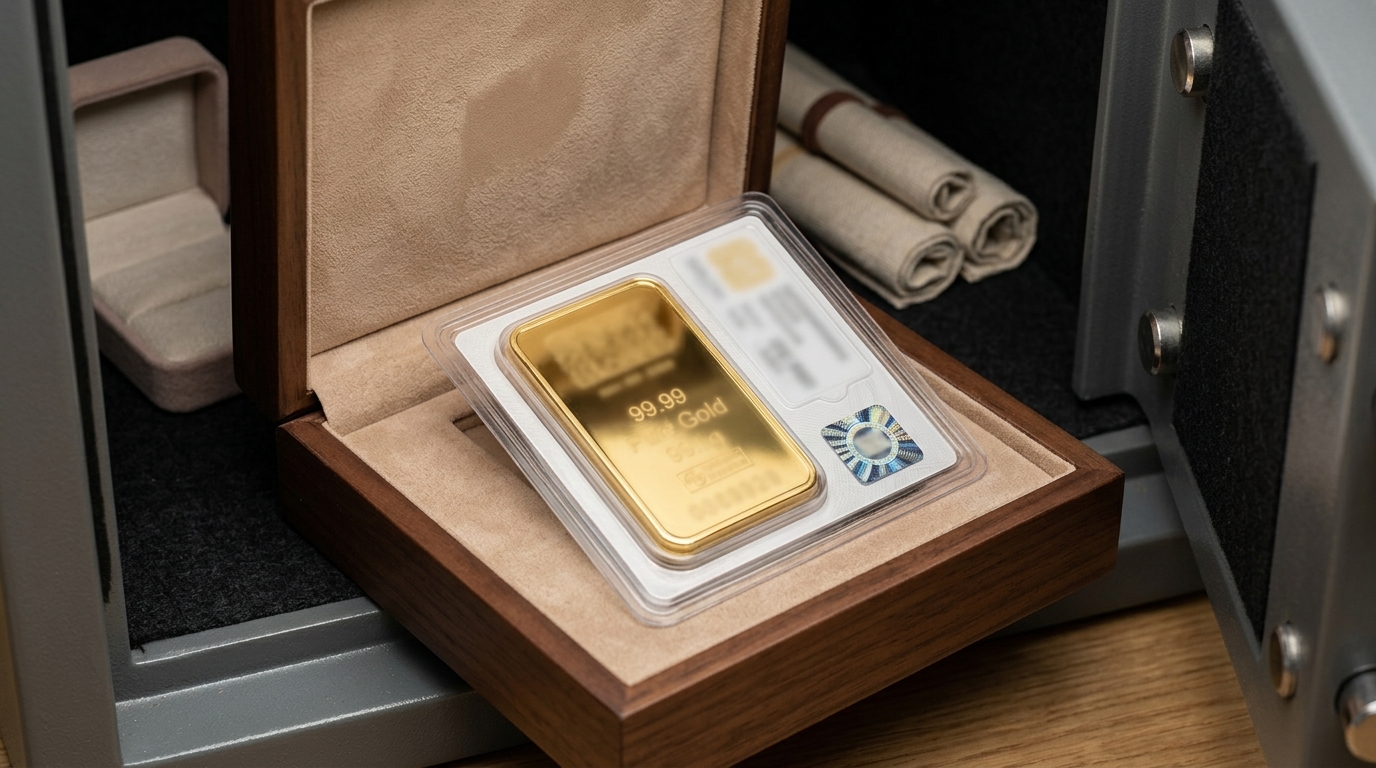
Therefore, the rule of thumb is to store gold bars in their original condition, intact with their case and certification card. Keep them in your safe inside the protective case so the genuine hologram mark on the exterior remains undamaged, ensuring its full asset value is recognized later.
On the other hand, jewelry pieces—such as 995 purity rings, necklaces, and bracelets, or 999 purity dol rings (Korean first-birthday gold rings)—require meticulous care after daily wear. If you take them off after an outing and store them with sweat, skin oils, and cosmetic residue still on the surface, the luster will quickly turn dull.
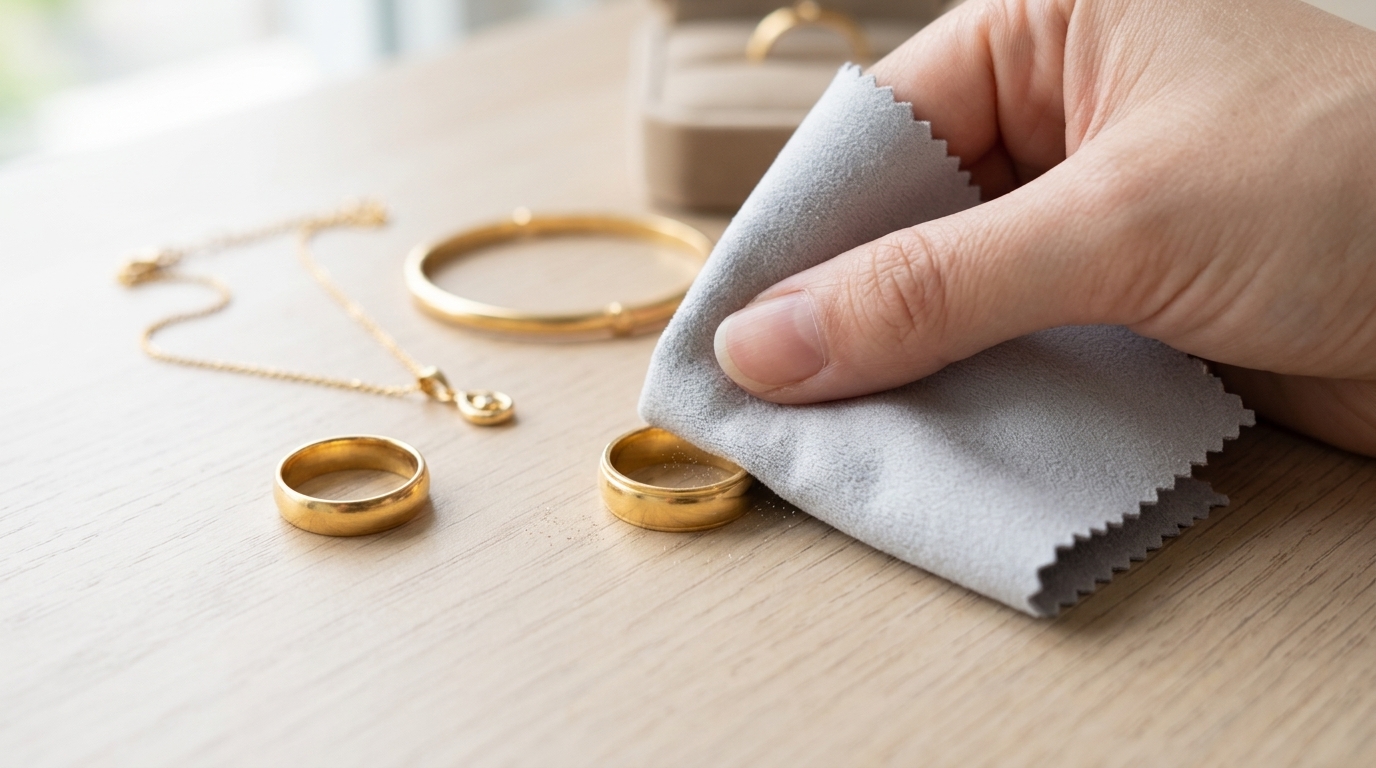
Always make it a habit to lightly wipe the piece with a dry microfiber cloth before storing it. Rubbing with force can cause scratches from fine dust on the cloth, so gently pat the surface to lift away oils.
Why You Should Avoid Vanity Drawers and Bathrooms
Many people leave their gold jewelry on a vanity tray or in a bathroom cabinet for convenience when getting ready. However, these two places are the most hazardous environments for gold.
Cosmetics, perfumes, and hairsprays contain alcohol and various chemical ingredients. When these fine particles settle on pure gold, they can cause a whitening effect, stripping the metal of its signature rich yellow luster and leaving it cloudy.
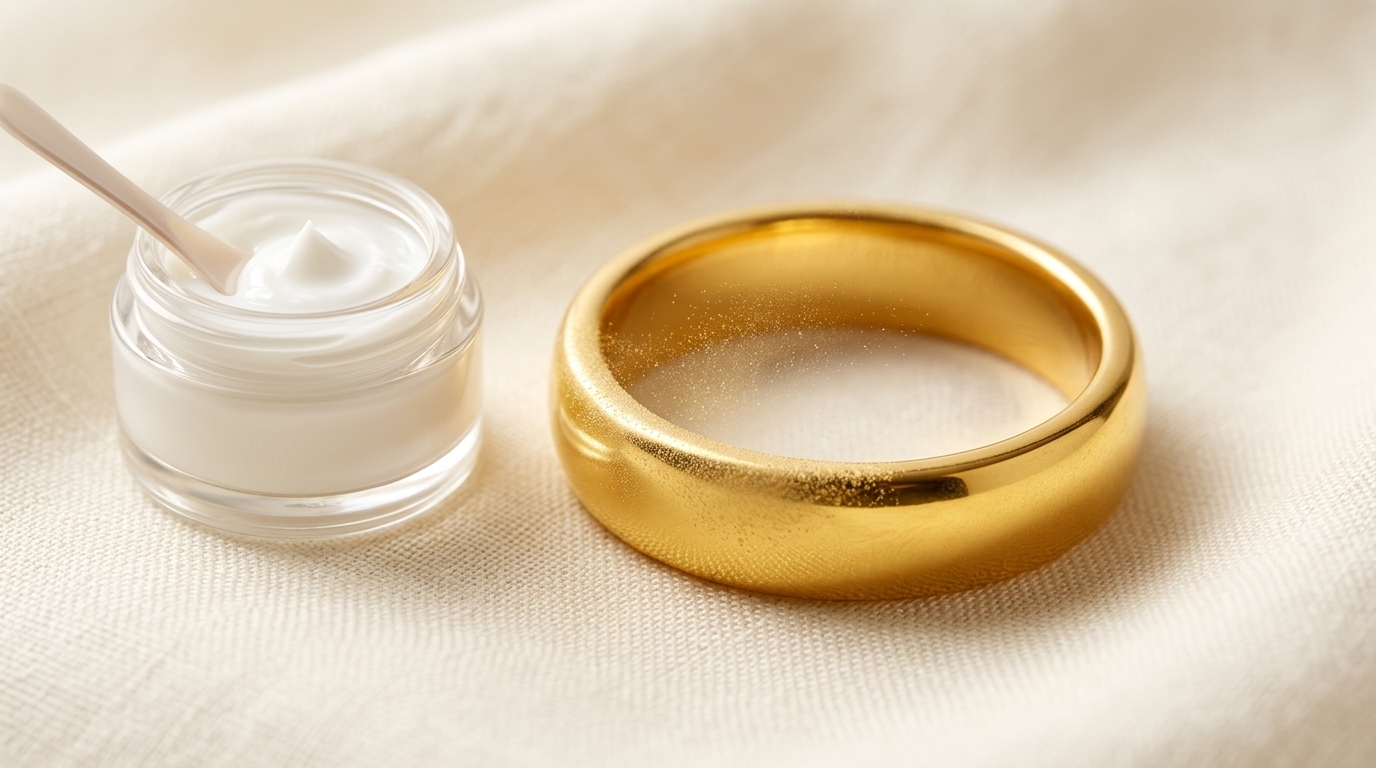
You must be exceptionally careful with skin ointments or brightening cosmetics that might contain even trace amounts of mercury. The moment gold comes into contact with mercury, an amalgam reaction occurs, turning the gold white and making the metal's structure so brittle that it can crumble.
High humidity in the bathroom, surfactants in soaps and shampoos, and residual chlorine in tap water also negatively impact metal joints over time. This is why you should always take off pure gold jewelry before entering hot springs or swimming pools.
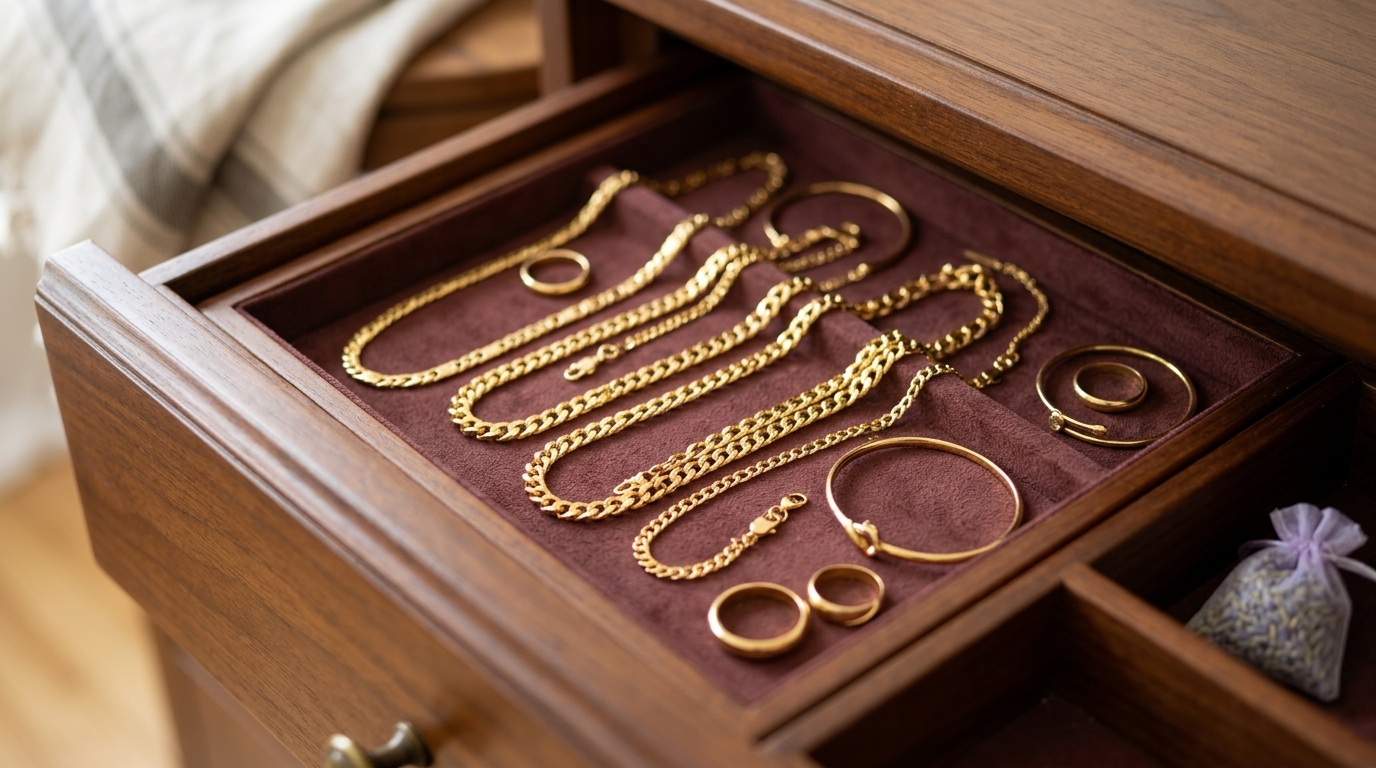
Therefore, the optimal location to store gold is inside a bedroom closet or dedicated storage drawer—away from direct sunlight, with minimal temperature and humidity fluctuations, and physically separated from chemical cosmetics.
Care and Selection Criteria to Ensure Full Value in the Future
The ultimate reason for storing gold carefully is to fully protect its value as a timeless physical asset that never diminishes over time.
While pure gold is valued by weight, severe deformation or cumulative damage can lead to unnecessary refining steps during appraisal or expose it to risks of loss. Meticulous individual storage and proper cleaning habits are the most fundamental ways to grow and protect your investment.
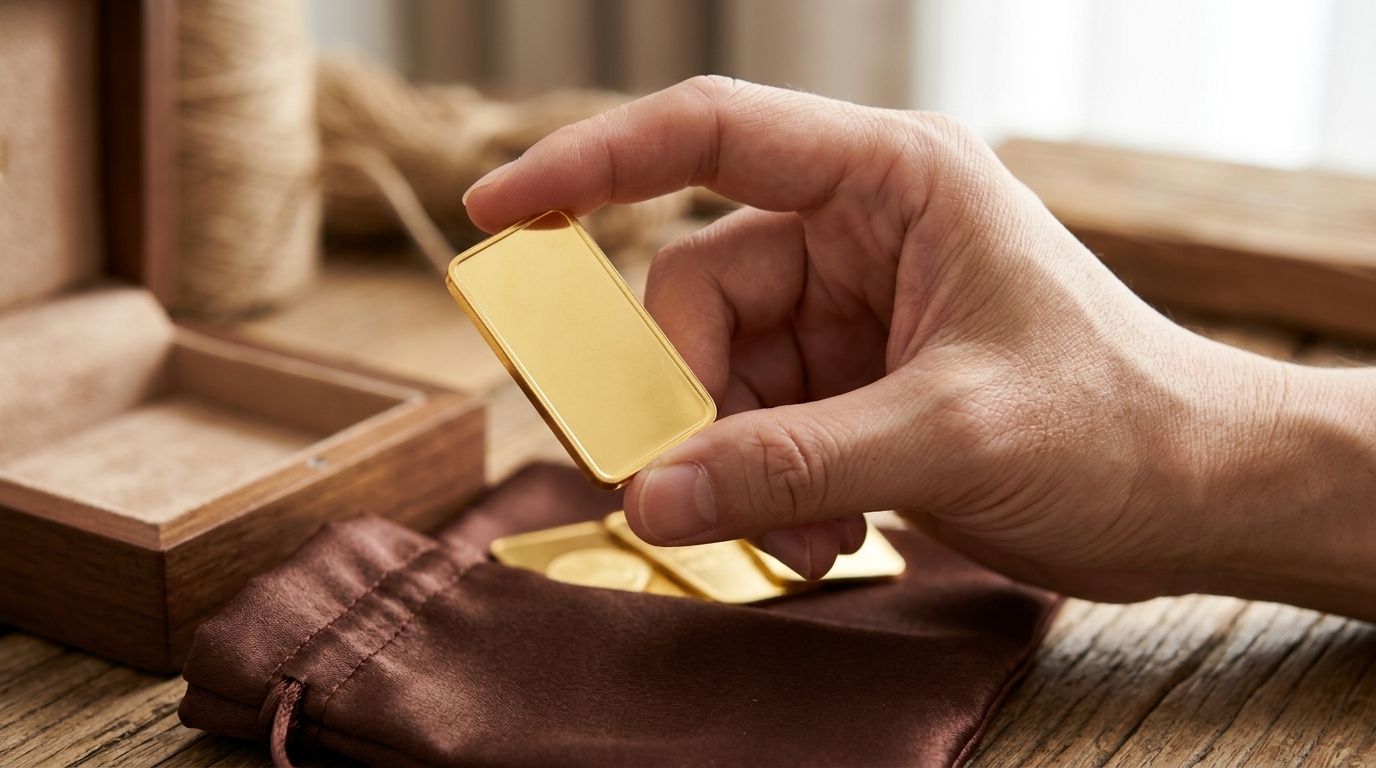
Just as important as proper storage is purchasing pure gold from a trusted source with transparent standards in the first place. Because the gold price fluctuates daily and hourly, you should check whether the brand transparently adjusts its selling prices by honestly reflecting real-time international and domestic market prices.
At the same time, consider the conditions for reselling your gold in the future. It is wise to verify in advance whether the product comes with a hologram certificate to prove its quality, and whether the brand upholds a highest-price buyback policy based on equal weight for items purchased from them.
If you wish to preserve precious value for years to come, discover the transparent standard of pure gold at be:bel, where real-time market pricing and top-tier buyback standards are strictly maintained.
Pure Gold Mall be:bel · Editor B