Gold Price Outlook, Market Volatility, and Physical Pure Gold Buying Guide
Seeing gold prices that surged yesterday plummet again after a single morning headline leaves many wondering when they should ever buy physical pure gold. Amid fluctuating international gold prices driven by oil prices and interest rate announcements, the core question regarding the gold price outlook is not about predicting market timing, but rather establishing clear standards for handling physical gold.

According to an E-Today report on September 17, 2026, New York gold prices showed severe volatility, rebounding by 1.3% due to falling oil prices before turning downward again following issues related to Federal Reserve interest rates. A report from econonews.co.kr also noted that international oil prices turned downward after three consecutive trading days, with WTI dropping to the $102 range while international gold prices rebounded. According to international media summaries from outlets like CBC News and CoinReaders, international gold prices have been hovering around the $4,300 per ounce mark, engaged in a tight tug-of-war over reclaiming $4,320 and breaking through the $4,366 resistance level.
To help protect your assets securely without being swayed by the daily flood of indicators and news, here are the clear principles on how to approach and choose physical pure gold.
Why International Gold Prices Fluctuate Wildly on Oil and Interest Rate Announcements
In the global gold market, gold prices move in lockstep with three interlocking gears: the value of the dollar, oil prices, and interest rates. When oil prices fall, inflationary pressure eases, which in turn complicates central banks' interest rate calculations and causes liquid capital in the market to shift rapidly.
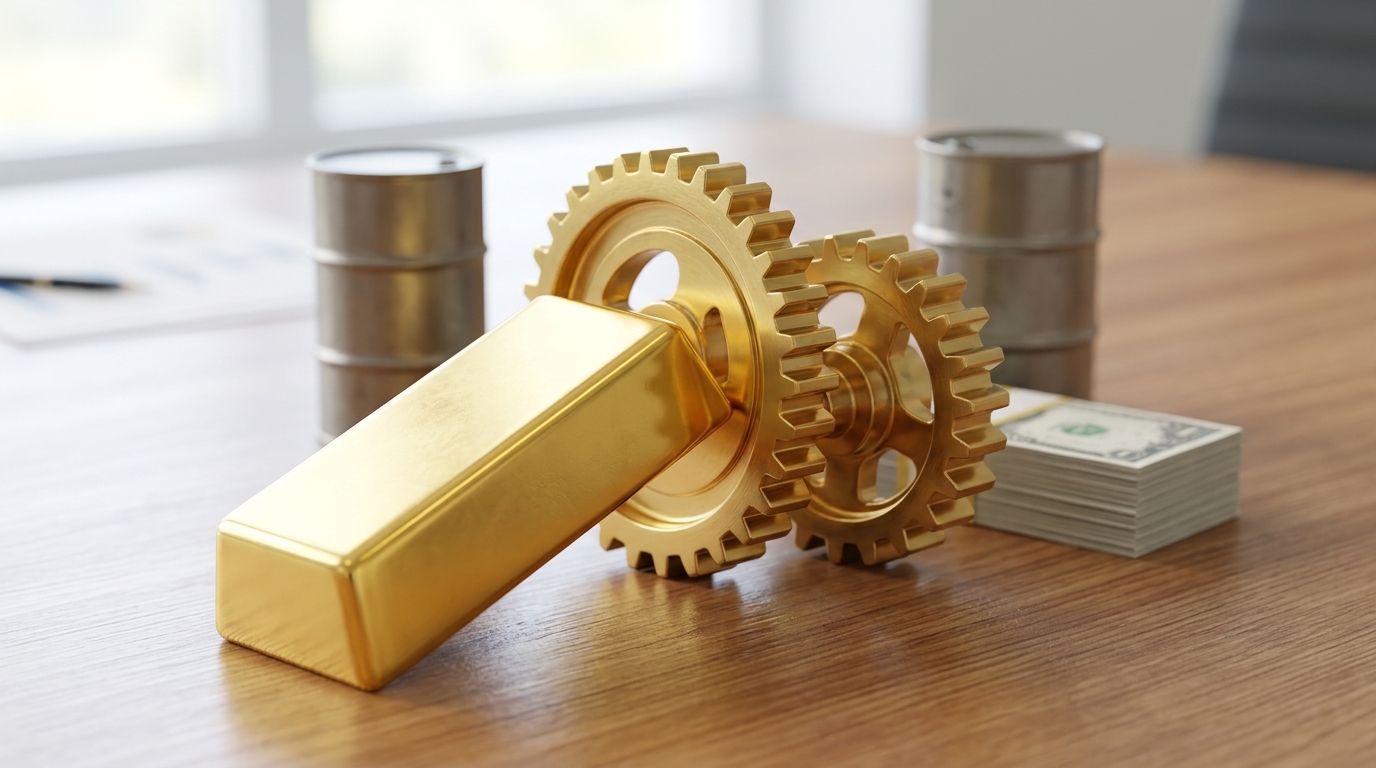
Gold prices dipping below or climbing back up to the $4,300–$4,320 level based on Fed rate decisions stem from this sensitive reaction to the financial environment. Gold is an asset that yields no inherent interest simply by being held. Therefore, when interest rates rise, capital tends to shift toward interest-bearing safe-haven assets such as government bonds or time deposits, leading to short-term corrections in gold prices.
Conversely, when expectations of rate cuts rise or economic uncertainty deepens, global capital floods into gold as a tangible physical asset, driving prices higher. If you react emotionally to every piece of short-term market news, it is easy to lose sight of what truly matters: the balance of your physical asset portfolio.
"Rather than obsessing over daily fluctuations in gold prices, you should focus on overall currency depreciation and the defensive power of physical assets."
Should You Buy Now or Wait Longer?
Existing holders often hesitate over whether to sell now, while prospective buyers wonder if they should wait for prices to drop further. Unless you are trading futures to chase short-term speculative gains, purchasing physical pure gold requires a completely different perspective.
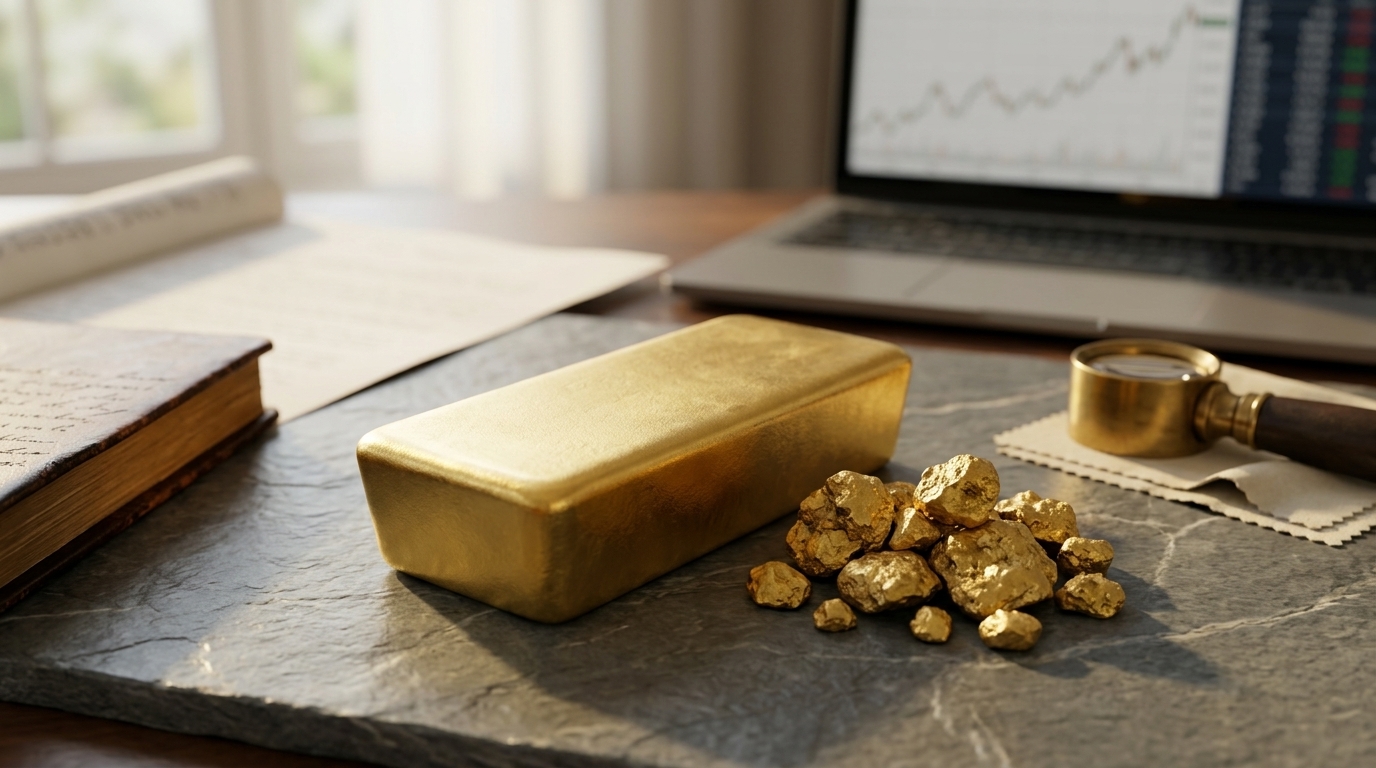
In ranges where international prices dip below $4,300 and rebound slightly, the psychological support level of market participants is put to the test. As reported by TodayKorea, domestic gold prices have also shown a slight rebound, though upward momentum remains constrained by interest rate pressures.
In the market, short-term views forecasting further corrections coexist with long-term outlooks projecting that the value of physical assets will trend upward. Consequently, investing a lump sum all at once can increase the risk of losses stemming from short-term volatility.
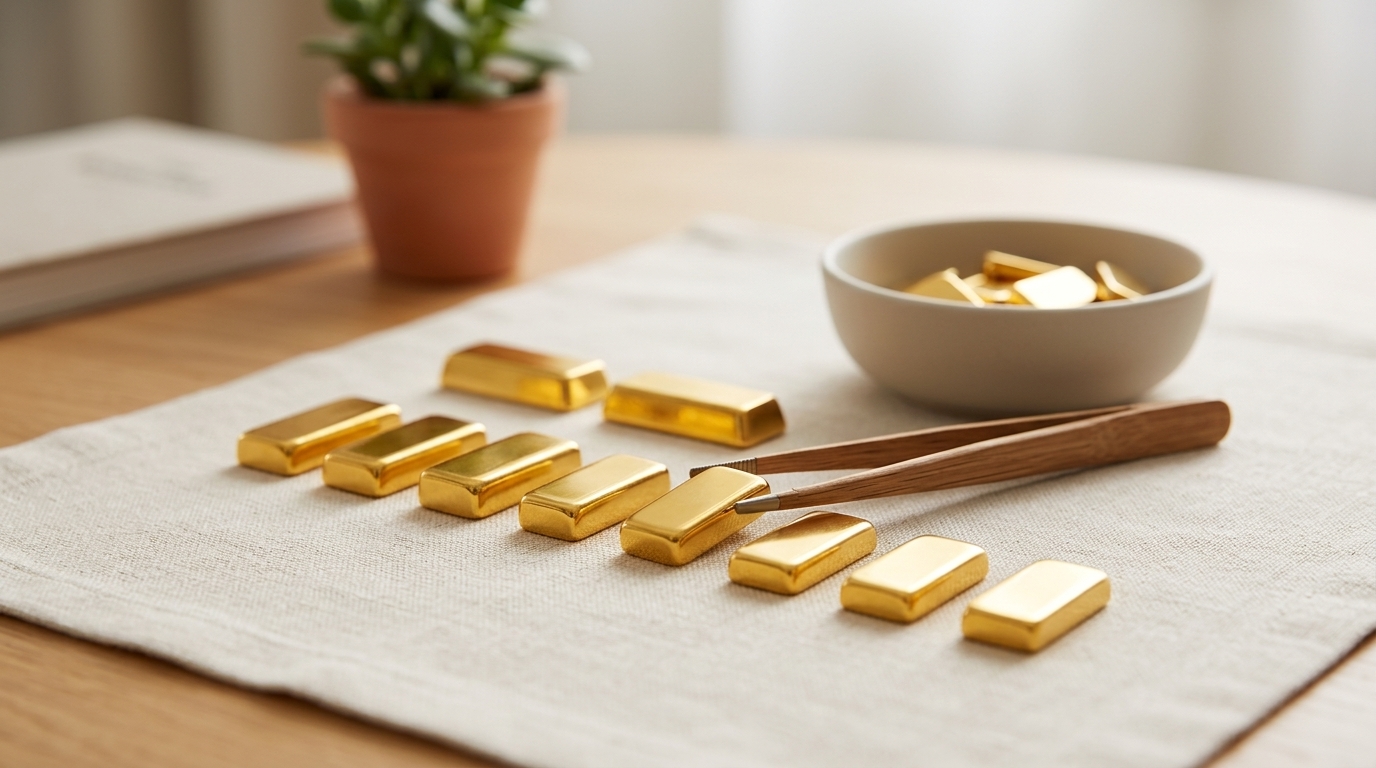
The wisest way to accumulate physical gold is through dollar-cost averaging—dividing your purchases across multiple intervals. By regularly acquiring a set amount or weight whenever prices fluctuate, you can steadily lower your average purchase price.
Why the Net Amount Differs Even at the Same Gold Price
Many people visit stores relying solely on international or domestic benchmark gold prices seen in the news, only to be surprised by the actual final amount they must pay. When purchasing physical pure gold as jewelry or gold bars, various manufacturing costs are added beyond the raw material market price.
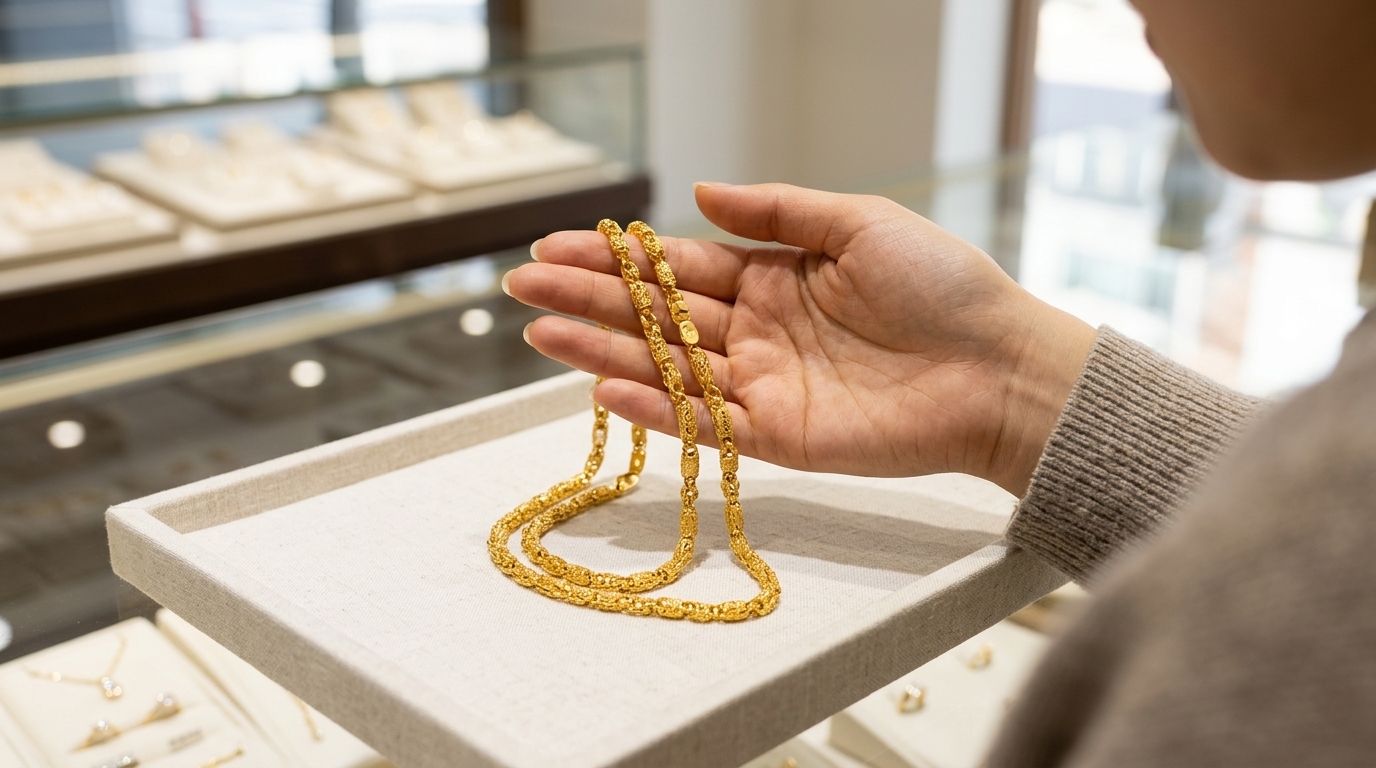
You need to carefully check not only the value-added tax (VAT) and craftsmanship/labor fees applied at purchase, but also the assay fee deducted when reselling later. Even for pure gold products of the same weight, purchasing through long and complex distribution channels raises your initial buying price significantly, requiring a much longer time to recover your principal.
You must check whether the pure gold selling price at the time of your purchase accurately reflects the real-time international and domestic gold prices for that day. Avoiding sellers that display fixed price tags without reflecting market price declines or that tack on excessive margins is the first step in physical gold investment.
"The success of physical pure gold transactions depends not on predicting market prices, but on how much you save on purchase costs and selling fees."
Essential Standards for Purity and Certification
To ensure that the value of physical gold is fully recognized when you hold it, purity standards and quality verification systems must be transparent. When choosing pure gold products, you should first understand that standard purity levels are distinctly categorized depending on the product line.

Jewelry pieces that require workability—such as pure gold rings, necklaces, bracelets, and earrings—are typically crafted with 995 (99.5%) purity. In contrast, dol rings (Korean first-birthday gold rings) are crafted at 999 (99.9%), while "Four Nines" (99.99% purity) is a standard applied exclusively to gold bars.
You should verify that the purity standard is honestly marked according to the product's intended use and form, and check whether a reliable hologram certification mark is properly affixed directly to the piece.
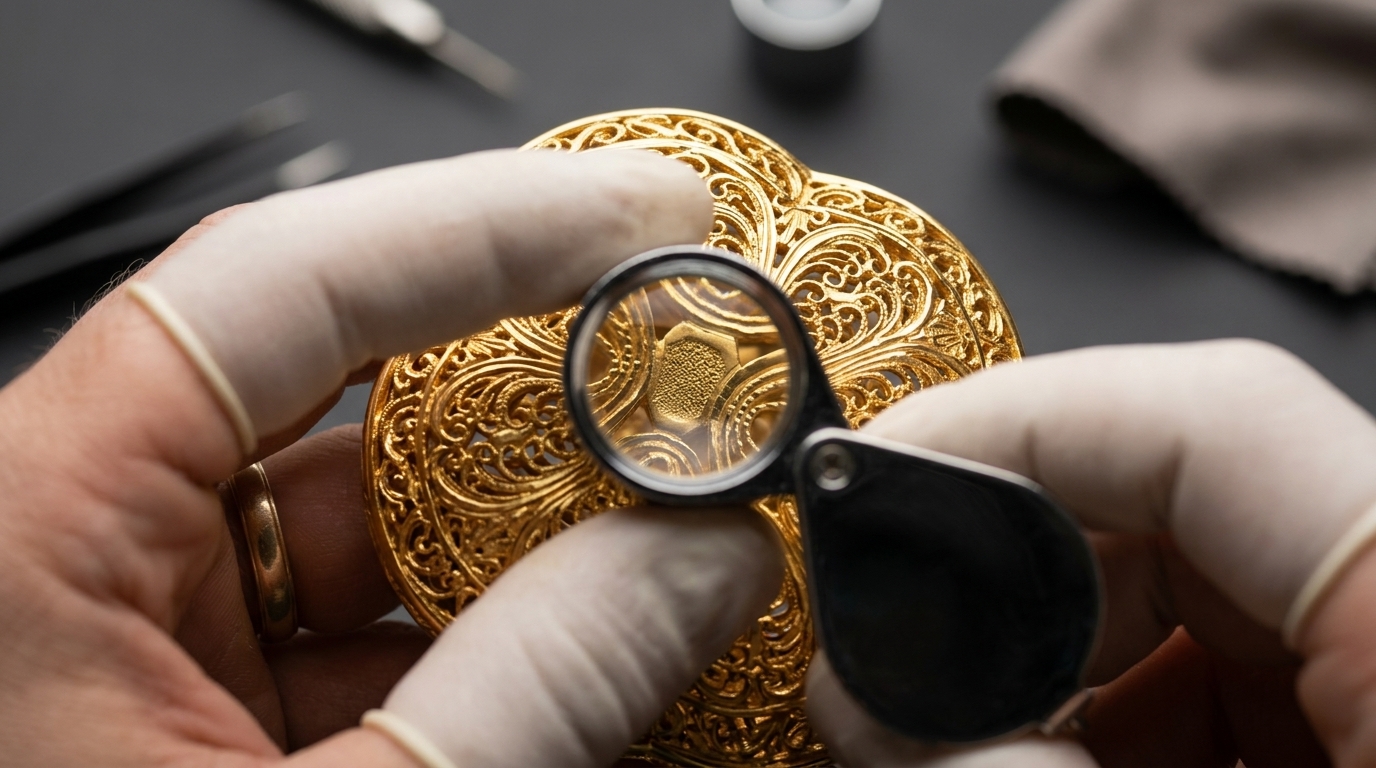
Whether you will face assay fees when liquidating in the future is another crucial criterion. It is safer to choose a trustworthy brand that discounts or waives assay fees when you resell their honestly crafted products back to them.
Choosing Reliable Physical Pure Gold with Transparent Real-Time Pricing
Physical pure gold is the most dependable shield for protecting the purchasing power of your assets amidst volatile exchange rates and inflation. As external variables like falling oil prices and rising interest rates cause prices to fluctuate, it is essential to choose a brand that adheres to solid principles rather than short-term sales tactics.
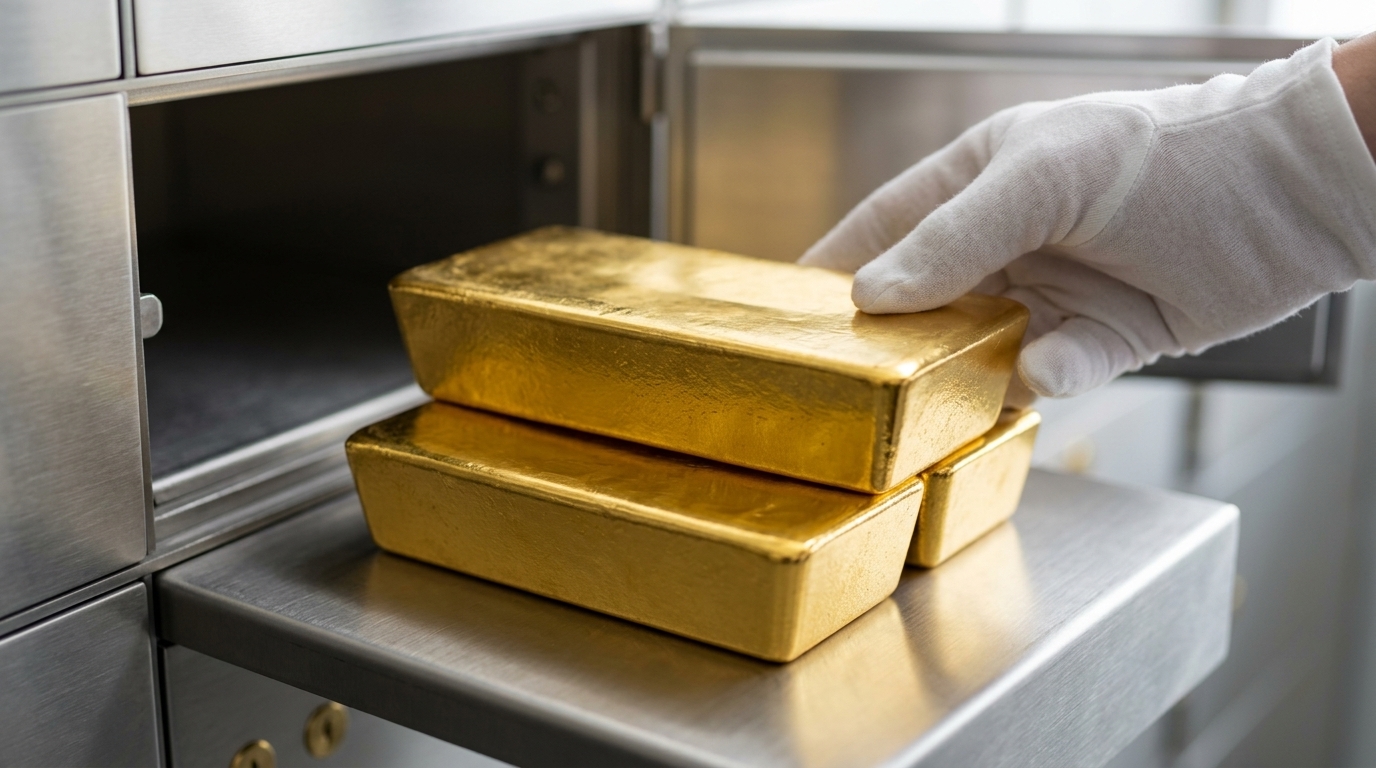
be:bel transparently links real-time fluctuating gold prices directly to its product selling prices, automatically adjusting them. By eliminating unnecessary distribution markups during volatile market periods, we enable you to acquire physical pure gold based on fair, reasonable standards.
Products crafted with genuine purity at be:bel carry our proprietary hologram mark, guaranteeing authentic quality. When you sell back pure gold products purchased from be:bel in the future, we charge no separate assay fee, fully preserving your asset's value.
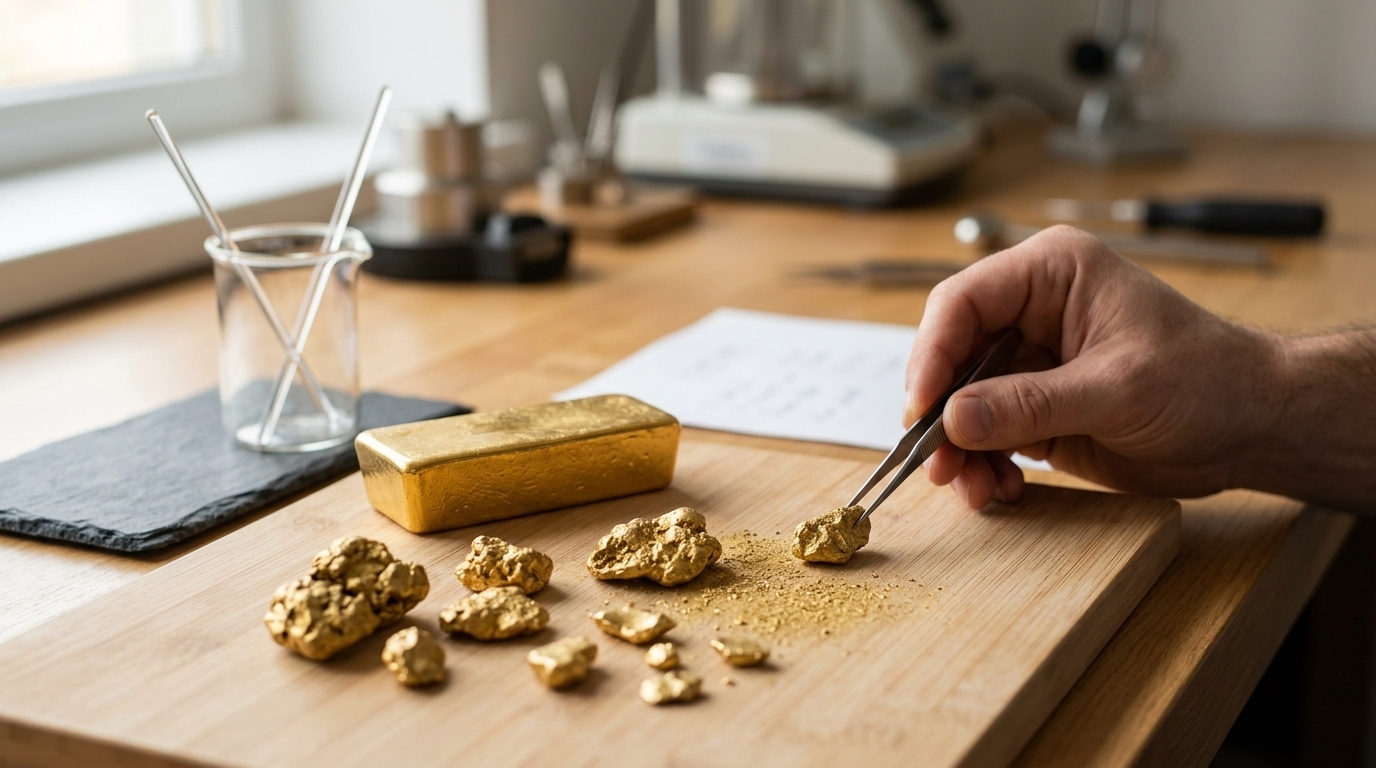
Rather than being swayed by uncertain forecasts amid daily gold price swings, we invite you to check today's transparent pure gold prices directly at be:bel, where you can benefit from real-time price matching and waived assay fees.
Pure Gold Mall be:bel · Editor B