2026 Gold Price Outlook Amid Global Surges and Interest Rates: 3 Criteria for Physical Gold Purchases
Whenever global geopolitical tensions rise and oil prices surge, more and more people wonder whether they should buy gold or sell what they already have. With heightened tensions in the Middle East, surging crude oil prices, and mixed signals surrounding interest rate policies in major economies, tension hangs over the physical asset market. To get straight to the point: rather than trying to perfectly time short-term price swings, it is far safer to establish the core principles of physical gold trading and focus on your goal of wealth protection.

Approaching gold simply for short-term speculative gains leaves you vulnerable to the daily swings of exchange rates and interest rate headlines. Physical gold is less a short-term trading vehicle and more a reliable form of insurance that preserves your purchasing power when fiat currency values fluctuate. The current outlook for gold prices also reflects a complex dynamic, driven simultaneously by growing safe-haven demand and profit-taking selloffs tied to monetary policies.
Why Global Gold Prices Fluctuate Amid Middle East Tensions and Interest Rate Variables
To understand how gold prices move on the global market, one must look at the triangle between geopolitical crises, oil prices, and interest rates. When the risk of conflict escalates in the Middle East, global oil prices tend to surge over fears of disruptions in crude oil supply chains. Rising oil prices directly drive up production and logistics costs, which in turn fuels inflationary pressure.

As inflation rises, the real purchasing power of cash diminishes, prompting market participants to turn to tangible safe-haven assets that preserve value. Recent media reports have also highlighted oil price surges and Middle East instability as key factors driving up global gold prices. However, this upward momentum never moves in a single direction.

"When inflationary pressure mounts, central banks may delay interest rate cuts or maintain a tightening stance, creating persistent resistance against price surges."
The monetary policy directions of major economies, including the United States and Japan, serve as key variables that cap gold's upward momentum or trigger short-term corrections. When interest rates remain elevated, the opportunity cost of holding non-yielding gold increases. In fact, the market repeatedly sees gold prices pause for breath depending on Federal Reserve decisions and treasury yield movements. Ultimately, the current phase is a tense tug-of-war between safe-haven sentiment and interest rate pressure.
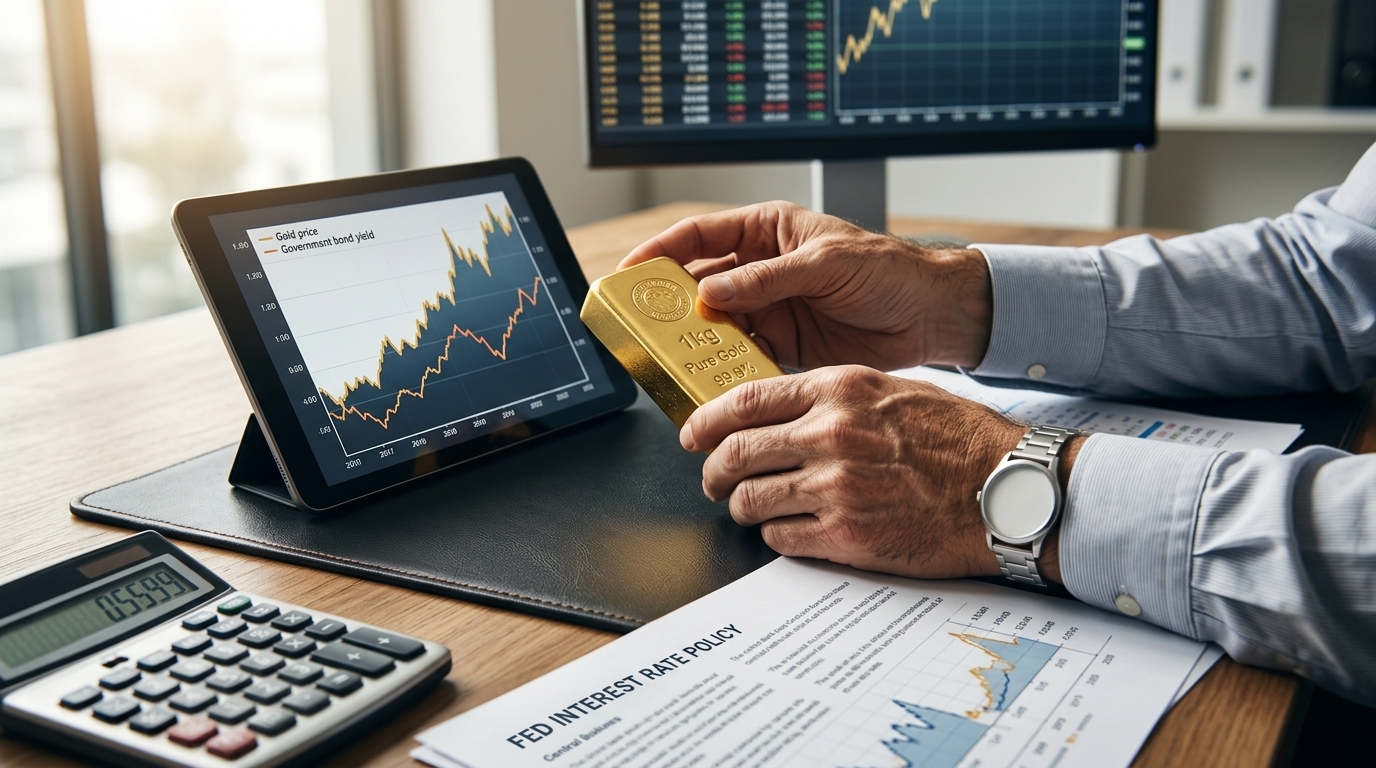
Should You Buy Now, or Sell the Gold You Already Own?
The decision-making criteria should be completely different depending on whether you are considering additional purchases or looking to sell. If you already hold gold, you must first reflect on your initial purchase objective—was it long-term asset allocation, or short-term gains? Cashing out a portion of your holdings during a sharp price rally to lock in profits can be a rational strategy.

On the other hand, if your goal is to anchor a portion of your wealth in physical assets, there is no need to get swayed by daily fluctuations or obsess over market timing. If you are planning to purchase physical gold anew, adopting a dollar-cost averaging approach is advantageous. Rather than attempting to guess the peak and investing a lump sum, accumulating incrementally during market corrections reduces the risk of price volatility.

When selecting physical gold, understanding purity standards according to their intended use helps avoid confusion. Pure gold jewelry meant to be worn—such as rings, necklaces, bracelets, and earrings—is typically crafted in 99.5% purity (995), while dol rings (Korean first-birthday gold rings) commemorating a child’s first birthday are made in 99.9% purity (999). The "four nines" (99.99% purity) standard is primarily applied to investment gold bars. Because standard purity differs depending on form and purpose, it is essential to recognize these distinctions before choosing.

Criteria for Choosing Physical Gold to Minimize Losses in a Volatile Market
As market volatility rises, what consumers need to examine most closely is pricing transparency. In some parts of the market, sellers tack on excessive margins when global prices surge, or delay adjusting retail prices downward when market rates drop. Such structural opacity ultimately burdens the consumer with unnecessary costs.

"The first criterion is ensuring that real-time gold price changes are immediately and transparently reflected in the product's price."
When selecting physical gold products, verify whether the system honestly reflects the official daily benchmark price. At retailers that do not offer real-time price synchronization, you risk paying an inflated fixed price even on days when the market falls.
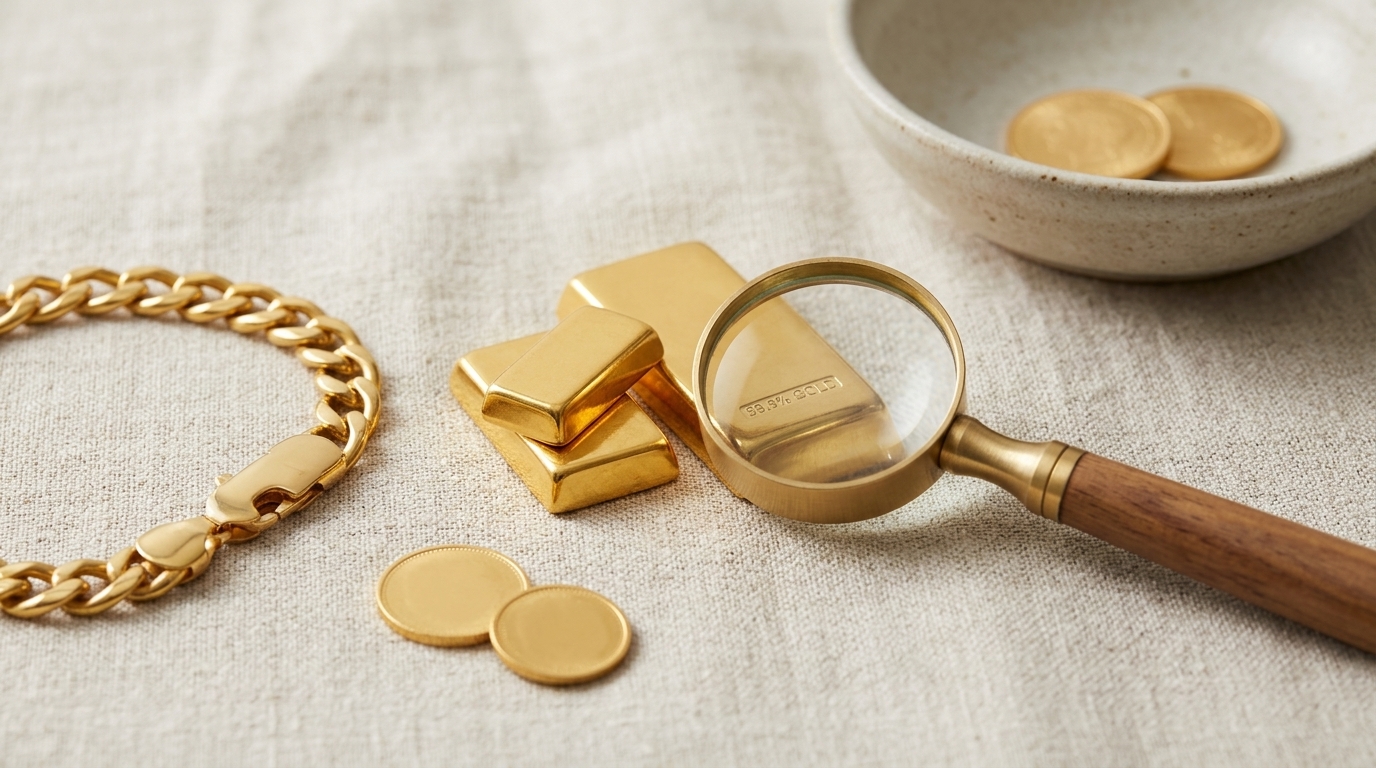
The second factor is trust in purity and quality. It is difficult for everyday consumers to verify exact purity and precise weight based solely on appearance. Therefore, check carefully whether reliable certification marks are properly applied directly to the product. Only pieces produced through trustworthy manufacturing processes and rigorous internal verification systems will be fully recognized for their true asset value in the future.

Why We Insist on Real-Time Price Syncing and Strict Quality Control
When gold prices fluctuate wildly, choosing a brand with steadfast standards becomes more crucial than ever. Pure gold brand be:bel adheres to clear principles so customers can make rational choices with confidence, even during periods of high volatility.

The retail prices of all 24K pure gold products at be:bel are directly linked to real-time global and domestic gold prices and adjust automatically. Whether the market goes up or down, price movements are reflected transparently without delay, allowing you to purchase products at the fairest value at any given moment. This is be:bel's promise to spare you worries over inflated retail margins or opaque pricing.

In addition, every product presented by be:bel features our proprietary hologram certification mark applied directly to the piece, proving that it has passed strict standards. Because pure gold is both a precious asset and a value to be cherished for generations, we leave no room for compromise in purity or quality.
If you are looking for an enduring physical asset amidst global uncertainties, explore be:bel's real-time benchmark pricing and product lineup today—backed by real-time price synchronization and proprietary hologram certification.
Pure Gold Mall be:bel · Editor B