Today's 1 Don Gold Price: 4 Reasons Behind the Buy vs. Sell Spread
If you visit a jewelry store based solely on the number that pops up when searching today's gold price, it is easy to be caught off guard. That is because there is a noticeable gap between the benchmark price posted on portal sites and the actual amount of money you pay or take home. Without understanding the structure—value-added tax (VAT) and craftsmanship fees added when buying, or assay and refining fees deducted when selling—you are bound to lose out even when trading the exact same 1 don of gold.

Rather than simply checking today's number, you need to look closer at the calculation method and see how that number actually translates into the cash in your pocket.
Why Buying and Selling Prices Are Always Different
Whenever you look up gold prices, two numbers always appear side by side: the price you pay when buying gold, and the amount you receive when selling the gold you own. The difference between the two is not just due to retail margins. While gold is both a raw material and a form of monetary asset, the forms consumers encounter are mostly processed jewelry or gold bars.
"The quoted benchmark price is merely the price of raw gold as a commodity; it does not reflect the taxes and refining costs involved in an actual transaction."
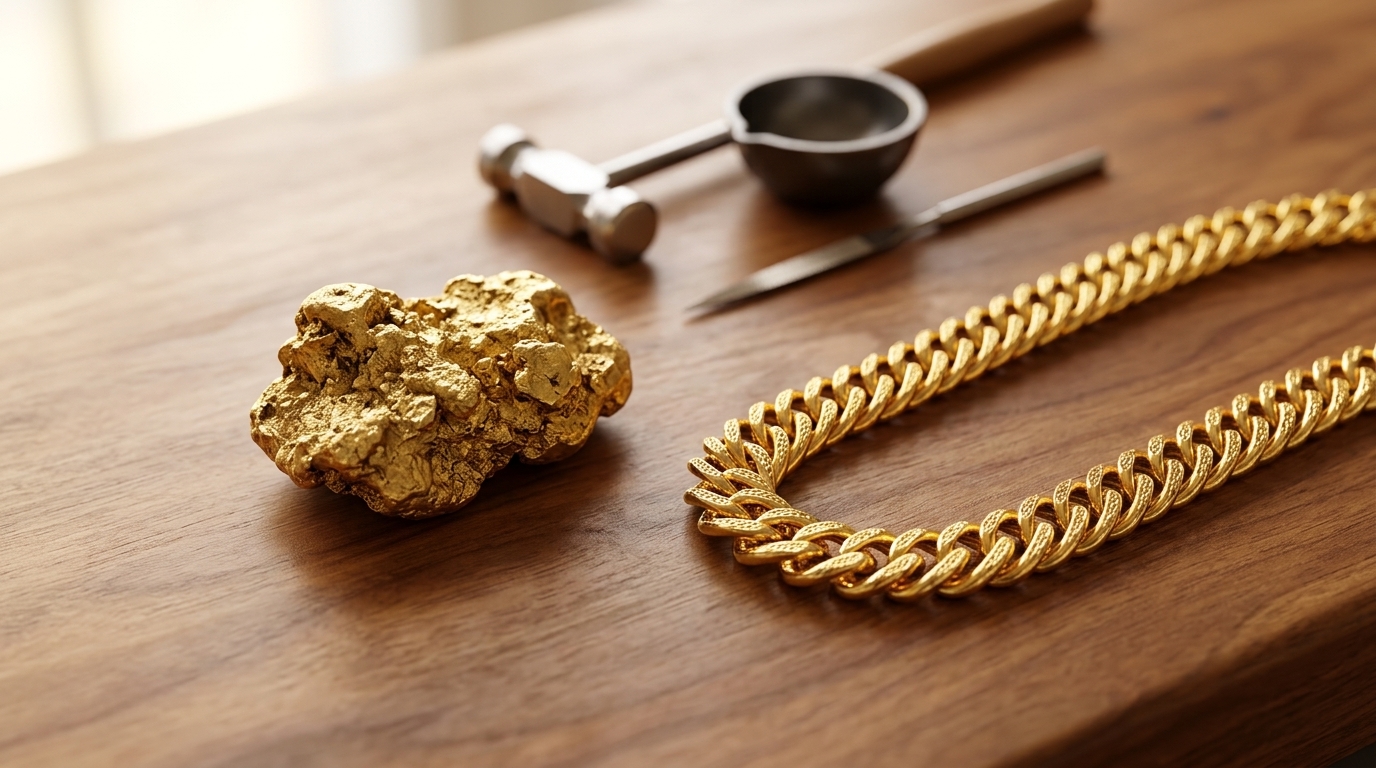
First, when consumers buy gold, a 10% value-added tax (VAT) payable to the government is added. On top of that, craftsmanship fees are incurred in the process of melting raw pure gold and shaping it into specific forms like rings or necklaces. The more intricate the craftsmanship, the further the product's price moves from the raw gold price.
Conversely, when you sell gold you own, costs run in the opposite direction. Buyback dealers do not simply resell pre-owned gold jewelry directly to another customer. They must melt it down again, remove impurities, and refine it into pure gold ingots before crafting new products. Factoring in the material loss and processing costs incurred during this refining process, buyback rates are set lower than the benchmark price.
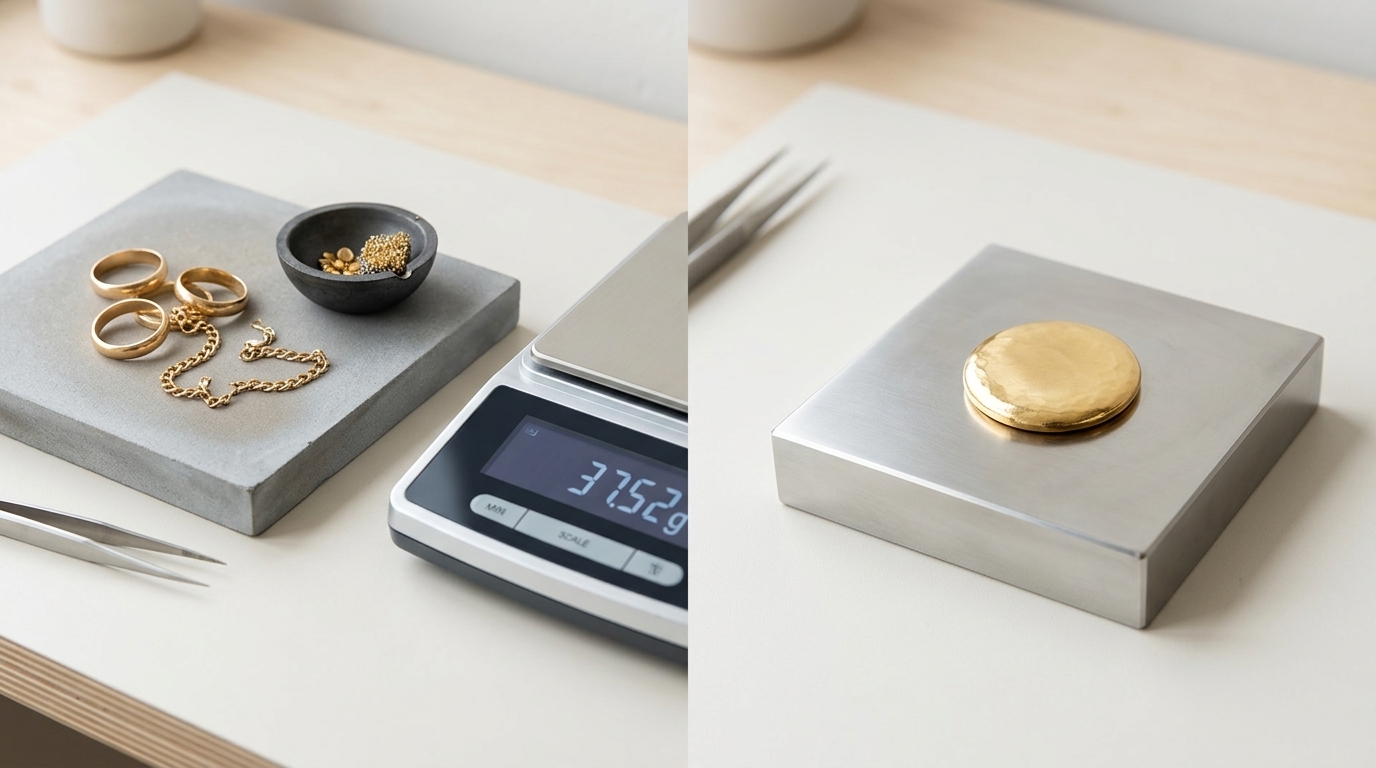
Ultimately, the taxes and crafting fees added at purchase are sunk costs that cannot be recovered when reselling. Therefore, if your primary goal is pure investment or wealth preservation, choosing forms with minimal craftsmanship fees is wise, and finding a seller where real-time prices are transparently reflected is the first step.
How to Distinguish the Purity of Jewelry and Gold Bars
Many people assume that because a product is labeled "pure gold," all such items must have identical purity. However, even within the realm of pure gold, exact purity marking standards vary depending on the product's form and purpose. If you cannot distinguish them properly, you may receive less than fair value or hold incorrect expectations.
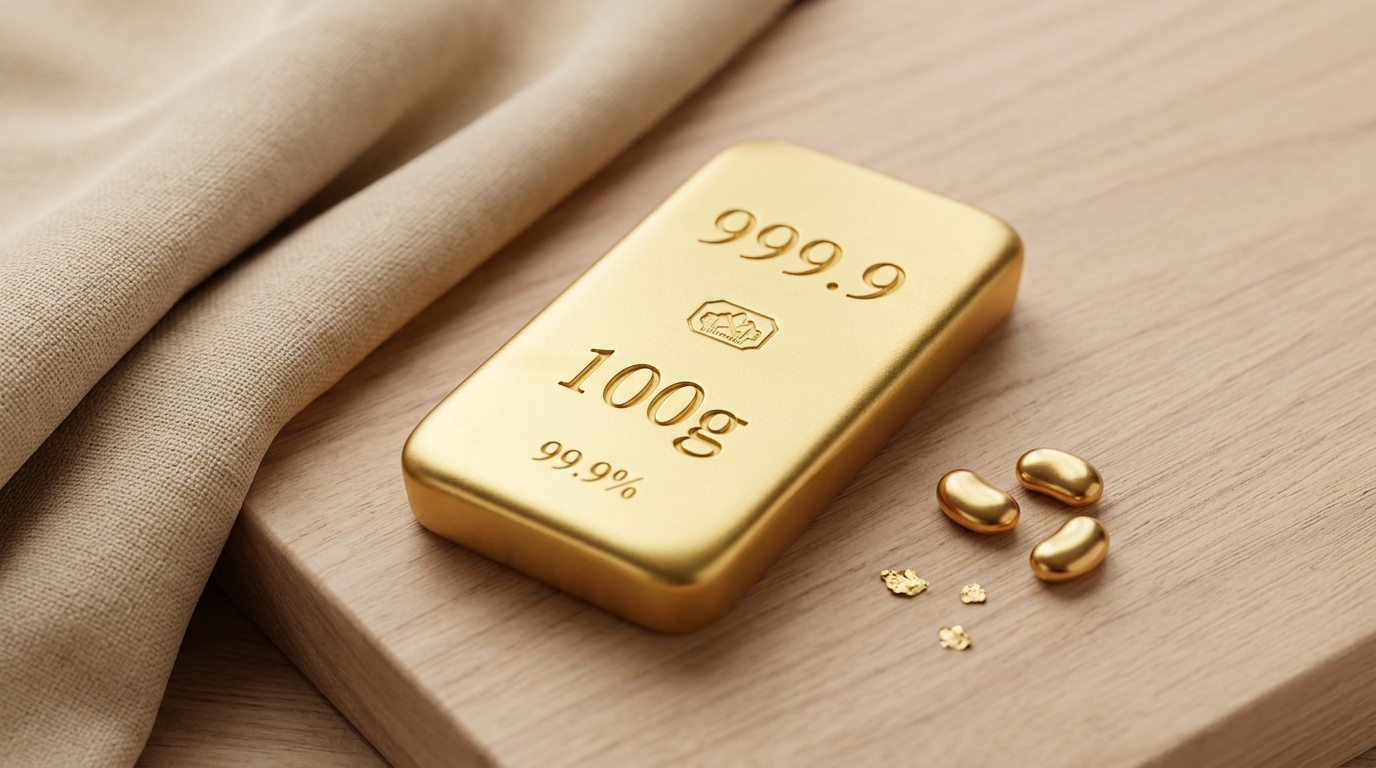
First, gold bars crafted for investment maintain a 99.99% purity level, commonly referred to as "Four Nines." This term applies exclusively to gold bars and is not used for jewelry products.
On the other hand, everyday pure gold jewelry—such as rings, necklaces, bracelets, and earrings—is standardly crafted at 995 purity, meaning 99.5%. Pure gold is naturally very soft and malleable; the closer it gets to 100%, the more easily it deforms and the more likely its joints are to break. To ensure wearability and durability, microscopic soldering is required, setting the standard at 99.5%.
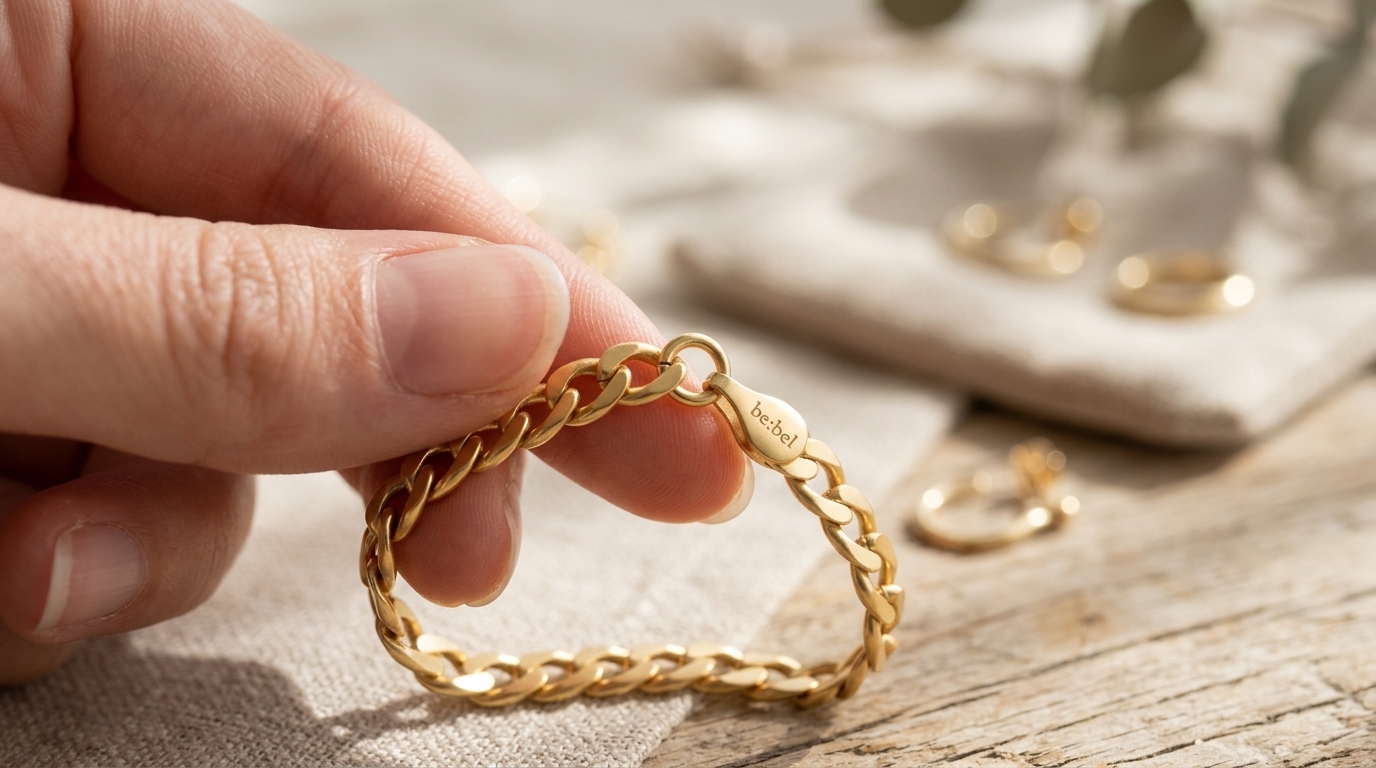
As an exception, dol rings (Korean first-birthday gold rings) gifted for a baby's 100th day or first birthday are crafted at 999 purity (99.9%), as they serve a symbolic and keepsake purpose rather than everyday wear.
"Pure gold jewelry is 995, dol rings are 999, and gold bars are 99.99%—purity markings differ according to each item's intended purpose."
Except for a few items like plain Engage flat rings, brand engravings rarely appear directly on the jewelry itself. Therefore, rather than relying on vague brand recognition when verifying quality, confirming that a tamper-proof proprietary hologram certification mark is properly affixed provides far greater assurance.
Why Pure Gold Necklace Clasps Make the Total Weight Heavier
After ordering a pure gold necklace or bracelet, customers sometimes wonder why the scale reads slightly heavier than the ordered weight. For instance, when ordering 3 don, the scale registers a number over 3 don. This is a completely normal phenomenon resulting from the specific properties of the gold used in clasps.
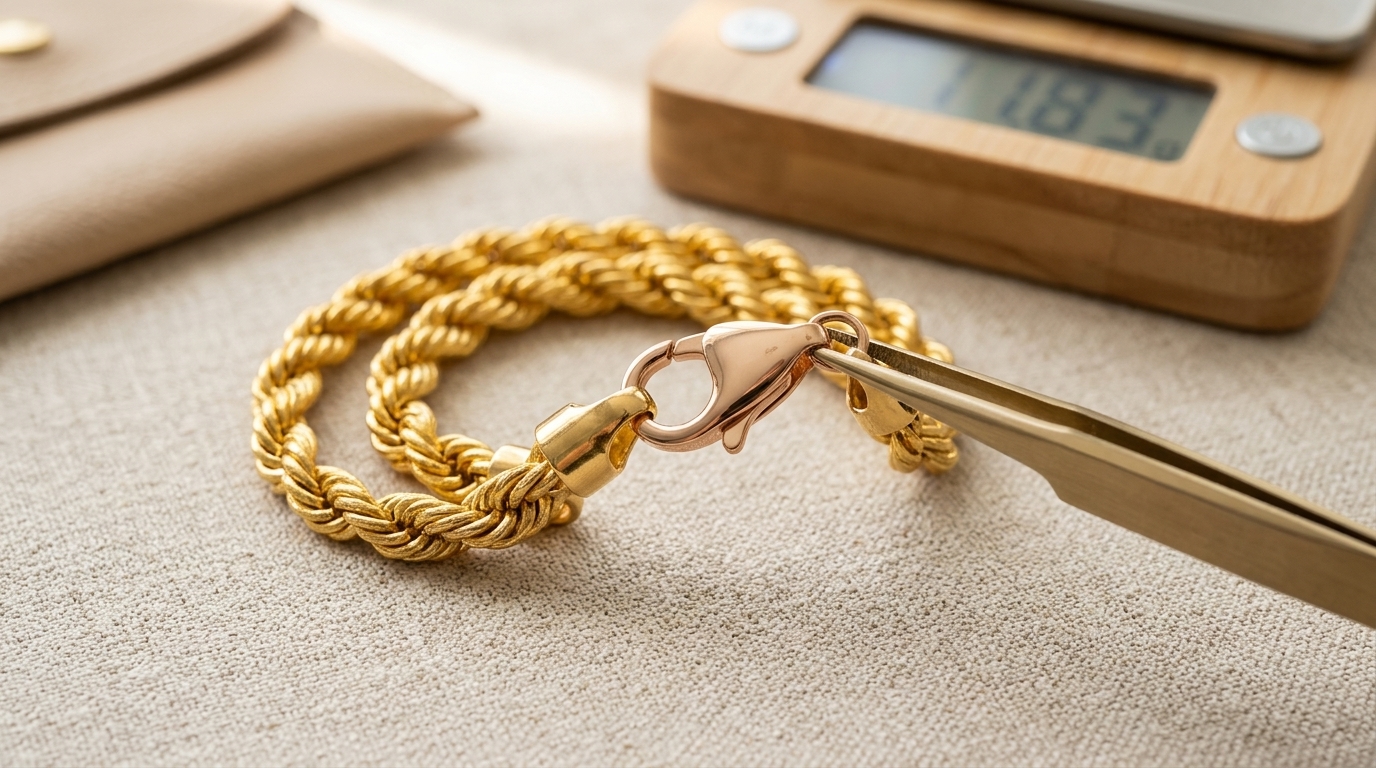
Pure gold is inherently soft. If clasp components that fasten a necklace or bracelet—such as lobster clasps or S-hooks—were made of pure gold, they would quickly loosen or open up, increasing the risk of loss, as everyday force alone can easily bend them. That is why the jewelry industry crafts clasp parts exclusively from durable 18K gold.
18K gold contains 75% gold. If a 3 don pure gold bracelet were made by simply including the clasp in the pure gold weight, the actual amount of pure gold received by the customer would fall short of 3 don, because 25% consists of alloy metals.
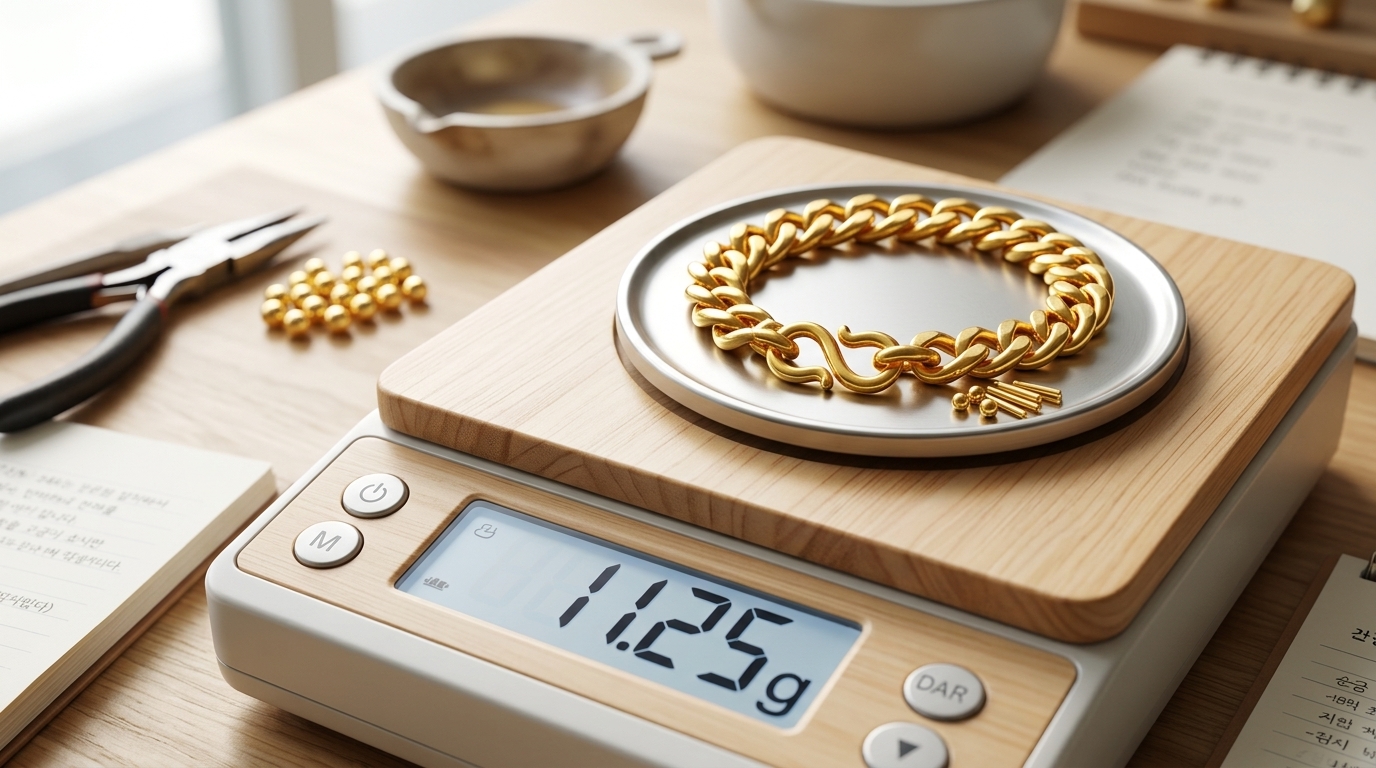
To prevent any loss of pure gold, proper craftsmanship adds the 18K weight on top to compensate for the difference in gold content. In other words, the ordered pure gold weight is included entirely and intact, with the weight of the 18K clasp added additionally.
Consequently, it is proper for the total scale weight to measure slightly heavier than the stated pure gold weight. Note that because this clasp is an 18K component, it is not engraved with pure gold hallmarks like 995. Understanding this manufacturing mechanism in advance helps avoid unnecessary misunderstandings.
Practical Standards to Minimize Losses When Reselling
When liquidating pure gold you own, the most concerning factors are assay/refining fees and buyback commissions. An assay fee is a type of refining charge deducted to cover the material loss incurred during melting and refining gold jewelry back into raw gold. The deducted amount varies depending on the item's shape and soldered joints, and as these fees accumulate, the final cash in your hand drops noticeably.
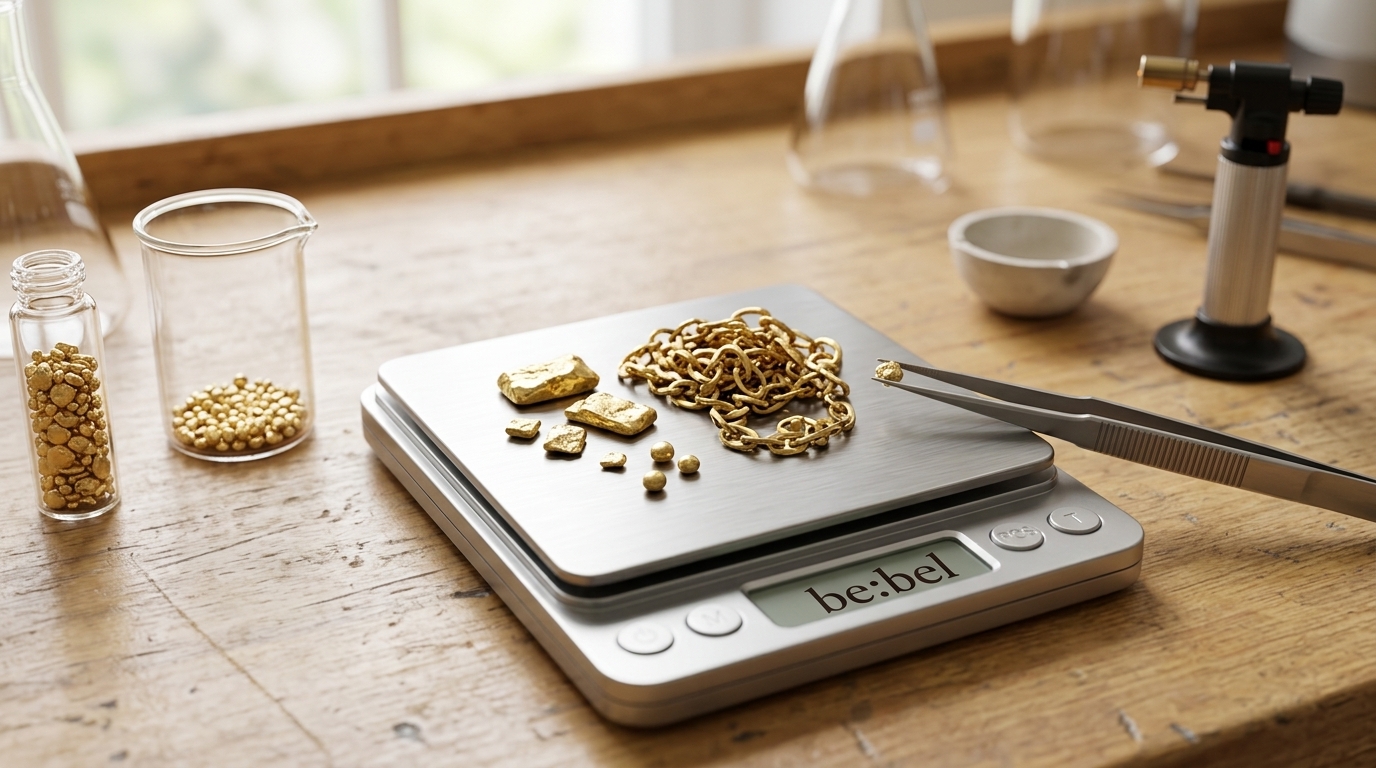
To minimize losses, it is essential to evaluate buyback terms right from the purchasing stage. When choosing gold products, it is beneficial to check whether the seller meets the following criteria:
First, check whether the retailer offers a policy of waiving assay fees when you sell the product back to them. Simply being exempt from refining fees can protect a significant amount of value per don at the time of sale.
Second, ensure they transparently guarantee top-tier market buyback prices for the equivalent weight. Buyback rates vary across dealers, so selecting a vendor with clearly published standards protects you from unfair depreciations.
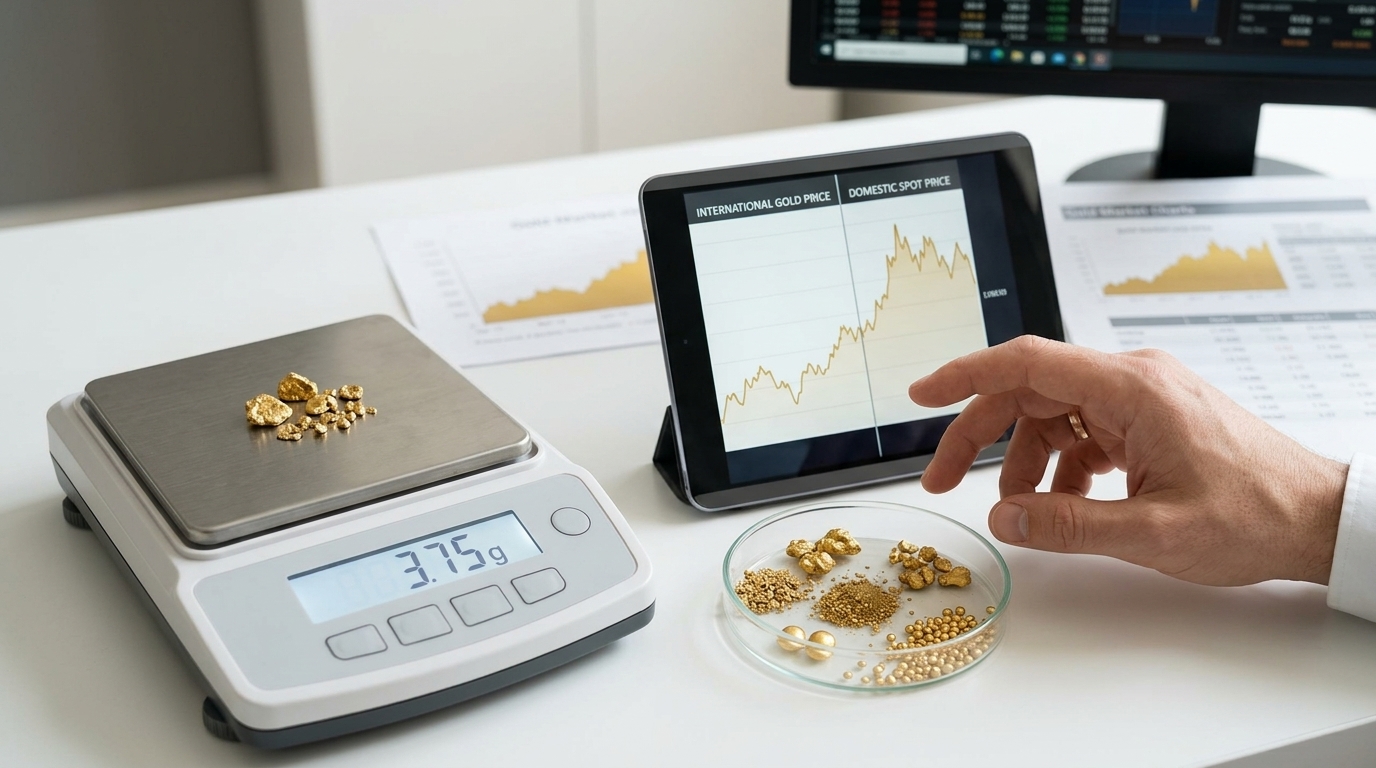
Third, verify whether the selling prices are linked to real-time international and domestic gold prices and automatically adjusted by the system. During periods of high market volatility, sellers that adjust prices honestly according to raw material values carry far fewer price bubbles than shops that arbitrarily inflate margins.
"The key to gold trading is confirming conditions where assay fees are not deducted upon resale and prices are transparently tied to real-time market rates."
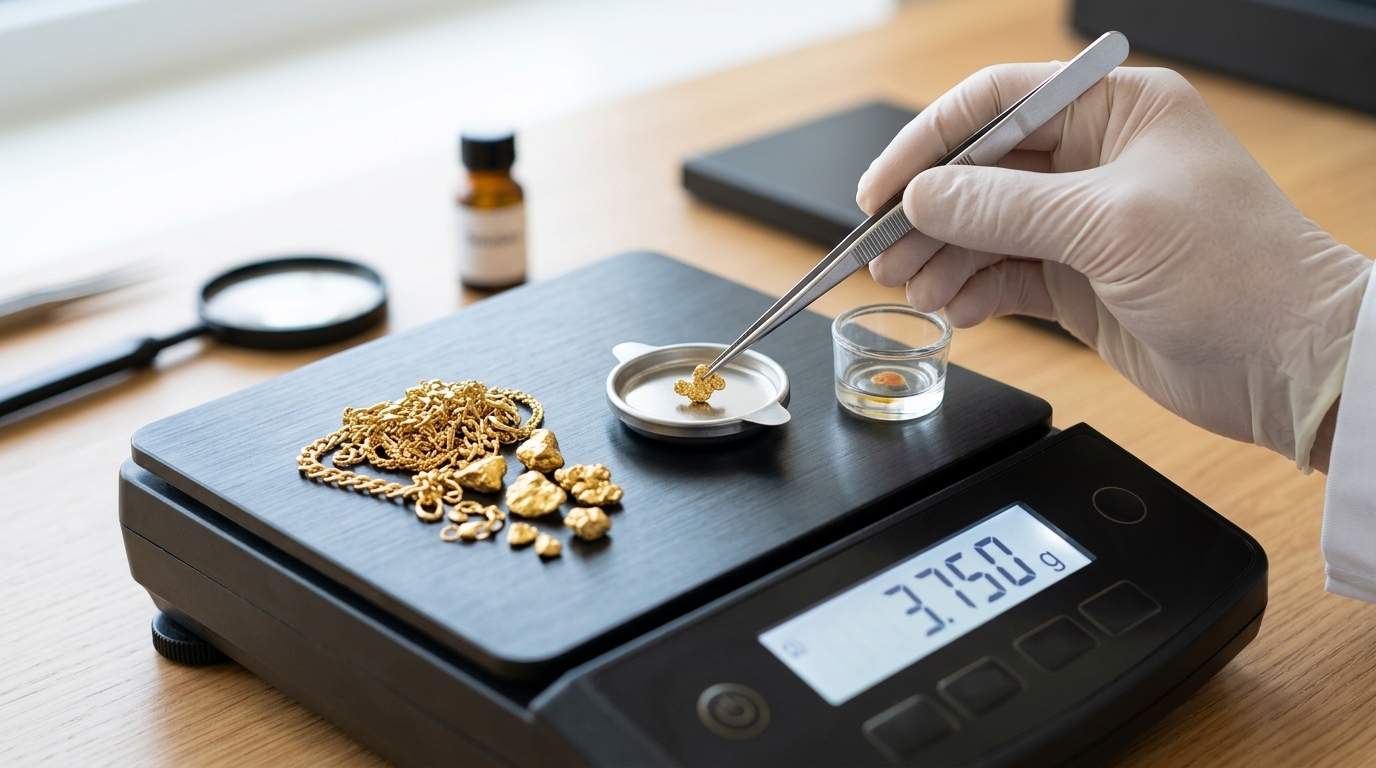
Gold is not merely sparkling jewelry; it is a tangible asset that can be converted into cash at any time. Rather than being swayed by dazzling designs or vague discount rates, carefully examining clear purity markings, honest weight calculations for components, and the presence or absence of refining fees during future liquidation is ultimately the most dependable way to safeguard your wealth.
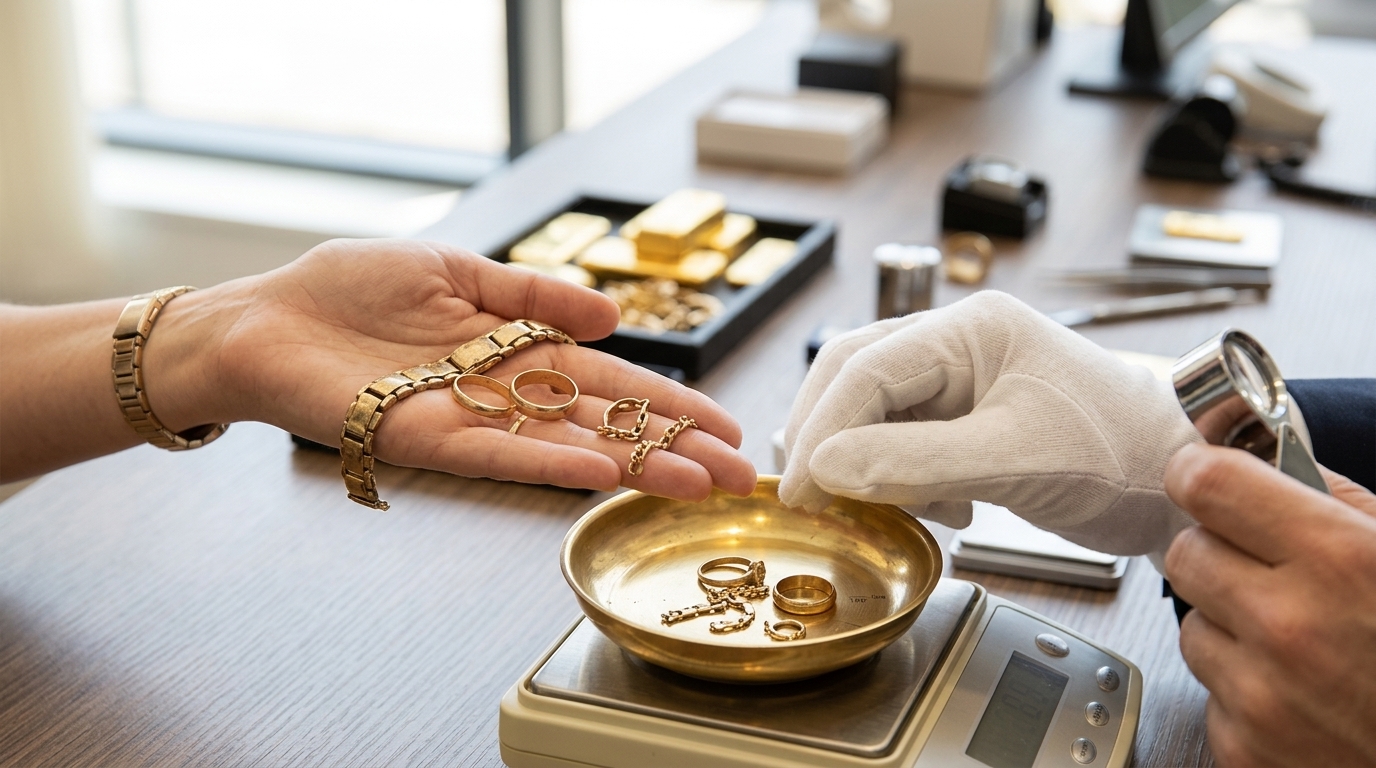
When watching fluctuating daily gold prices, we recommend looking beyond the rise and fall of the numbers to first understand the underlying structure and the terms under which your transaction actually settles.
24K Pure Gold Mall be:bel · Editor B