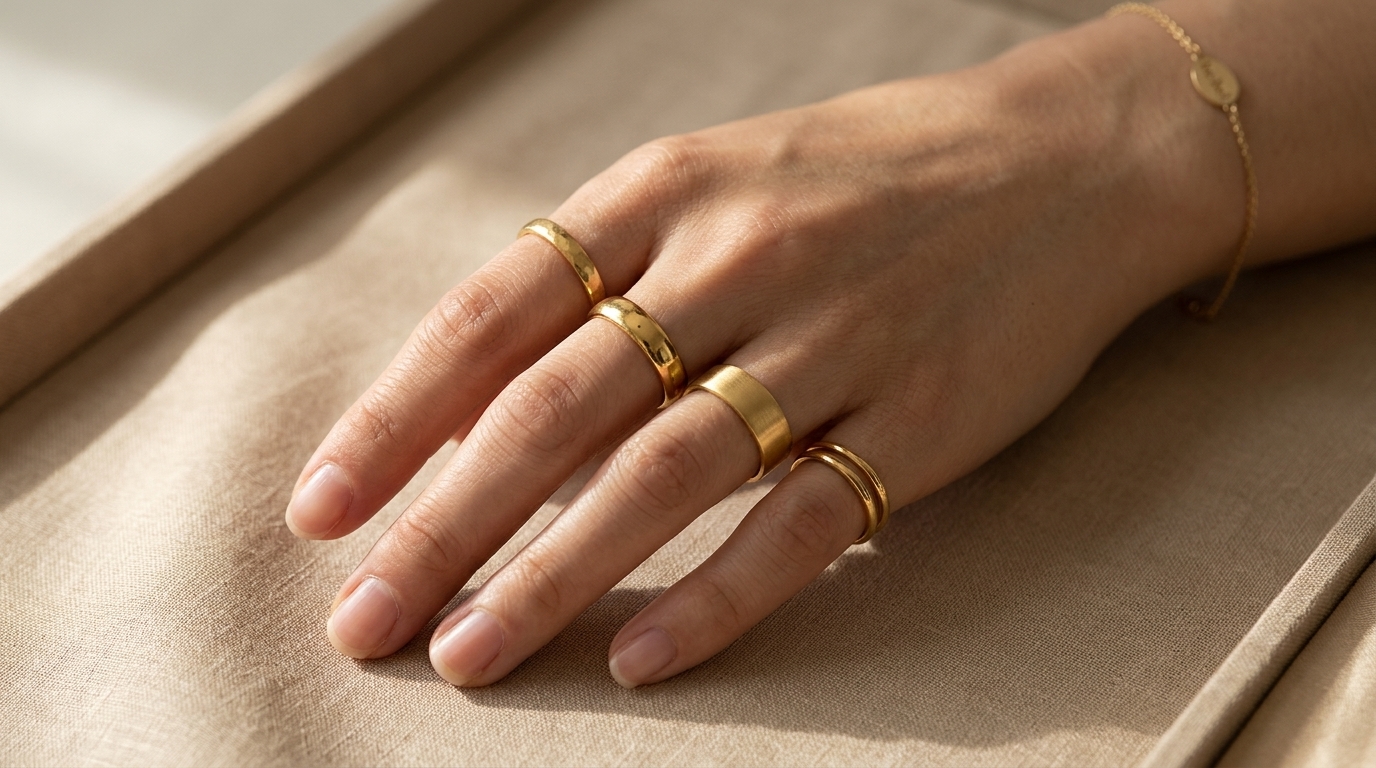
3 Reasons You Might Hesitate to Choose Jewelry Even After Checking Today's Gold Price per 1 Don
Everyone has had the experience of looking up today's gold price in a search bar and tilting their head in confusion. When you try to add jewelry to your cart thinking only of the published 1 don price, the final amount displayed on the screen turns out to be quite different from the math in your head. While gold is a raw commodity whose price fluctuates daily, the moment it passes through human hands to become jewelry that rests against the skin, it demands an entirely different standard.
It is difficult to choose jewelry that truly satisfies you by looking merely at price boards marked with numbers.
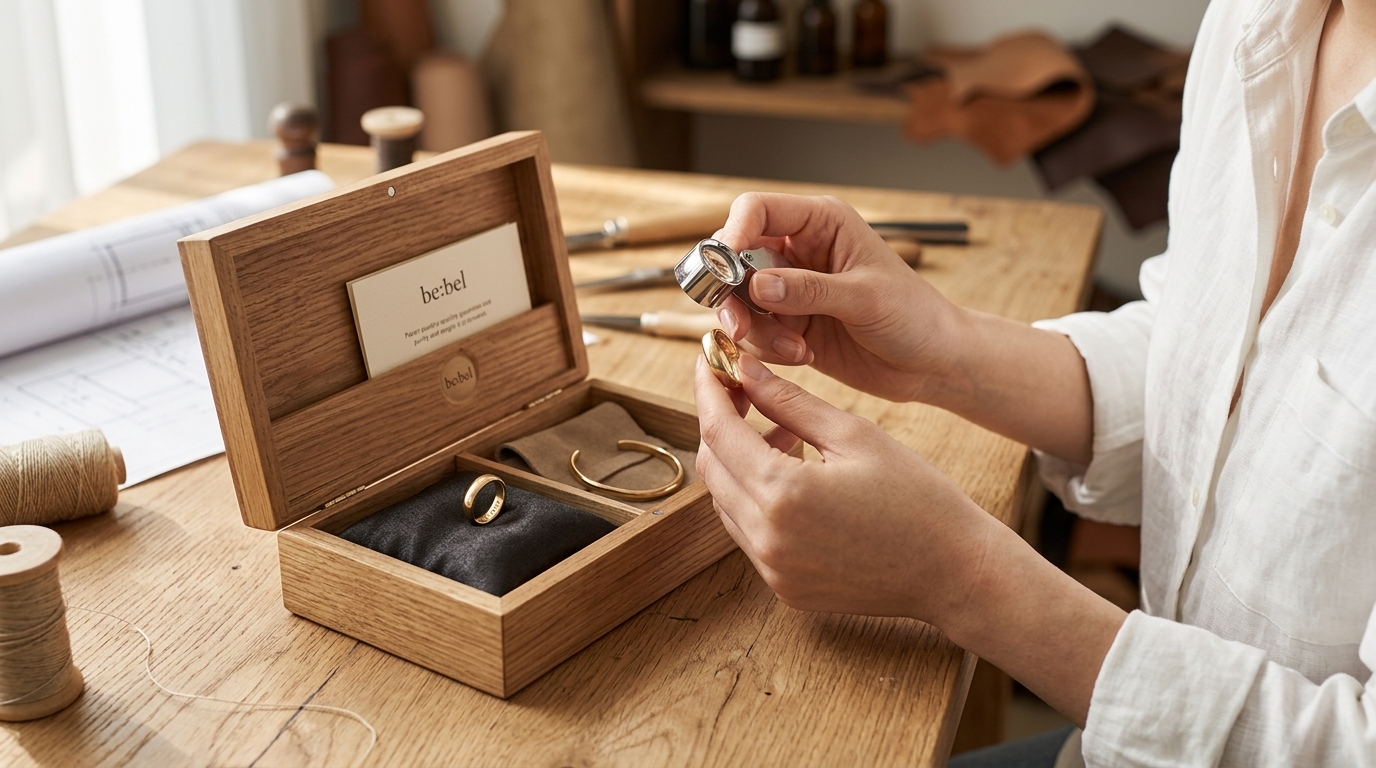
There is a deeper gap than one might think between looking at gold purely as an asset and looking at it as jewelry to wear every day. We walk you through the story behind why pieces of the same weight can differ, and what criteria you should look for so you will have no regrets when choosing pure gold jewelry to wear every day.
Why the Quoted Gold Price Differs from the Actual Price of Jewelry
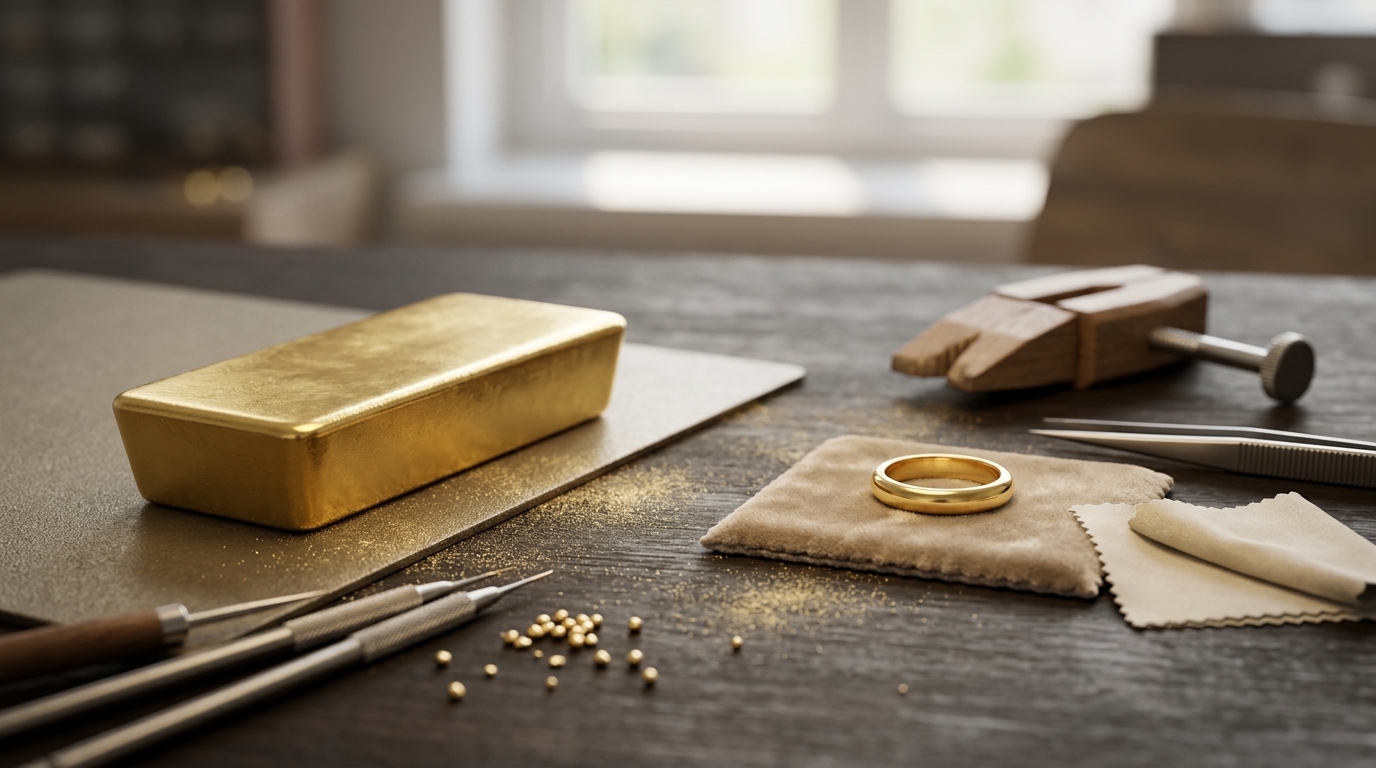
Many people assume that the price of jewelry is simply the raw material gold price displayed on exchange screens plus a basic crafting fee. However, the selling price of pure gold jewelry is not determined by simple numerical calculations. On top of the raw pure gold material, it encompasses a sophisticated crafting process where artisans faithfully preserve the design while meticulously adjusting it to the specified weight and size, along with the effort required for reliable sales and operations.
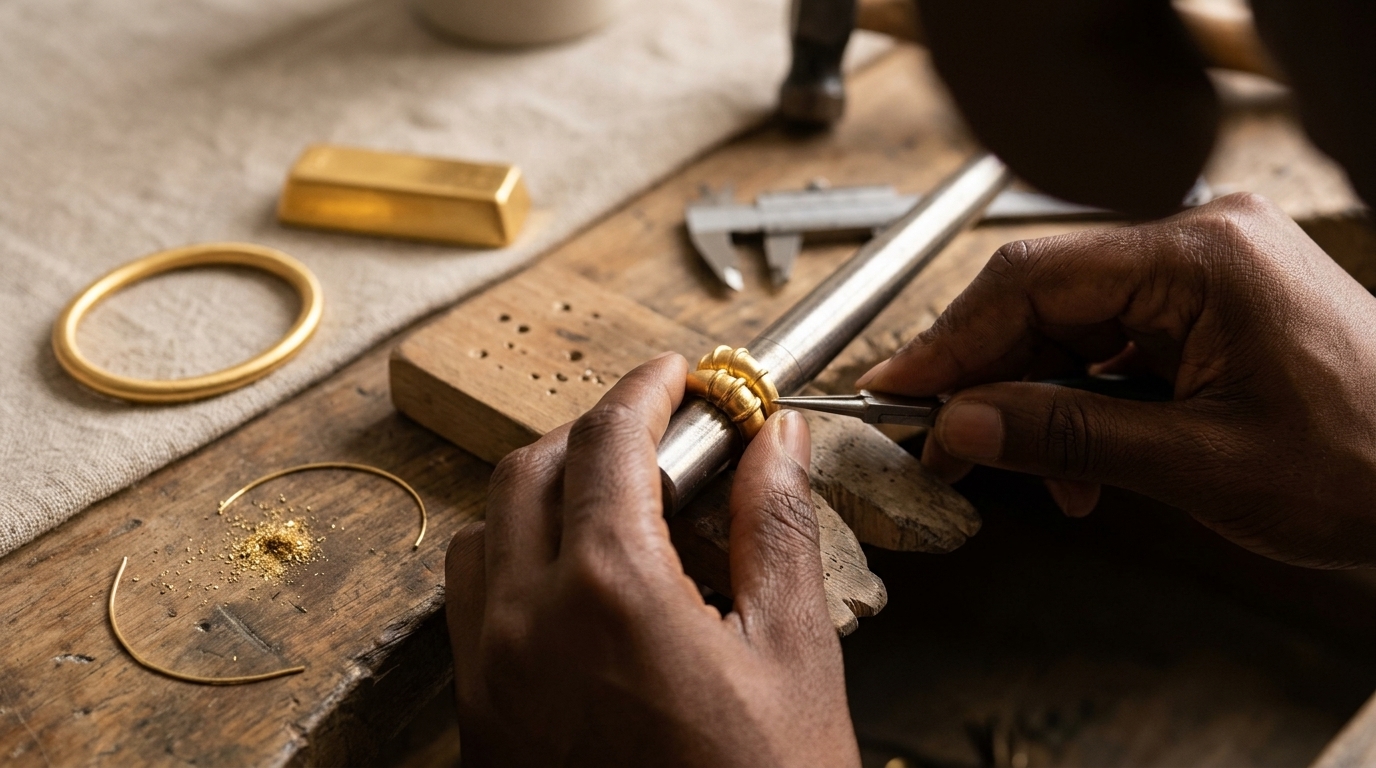
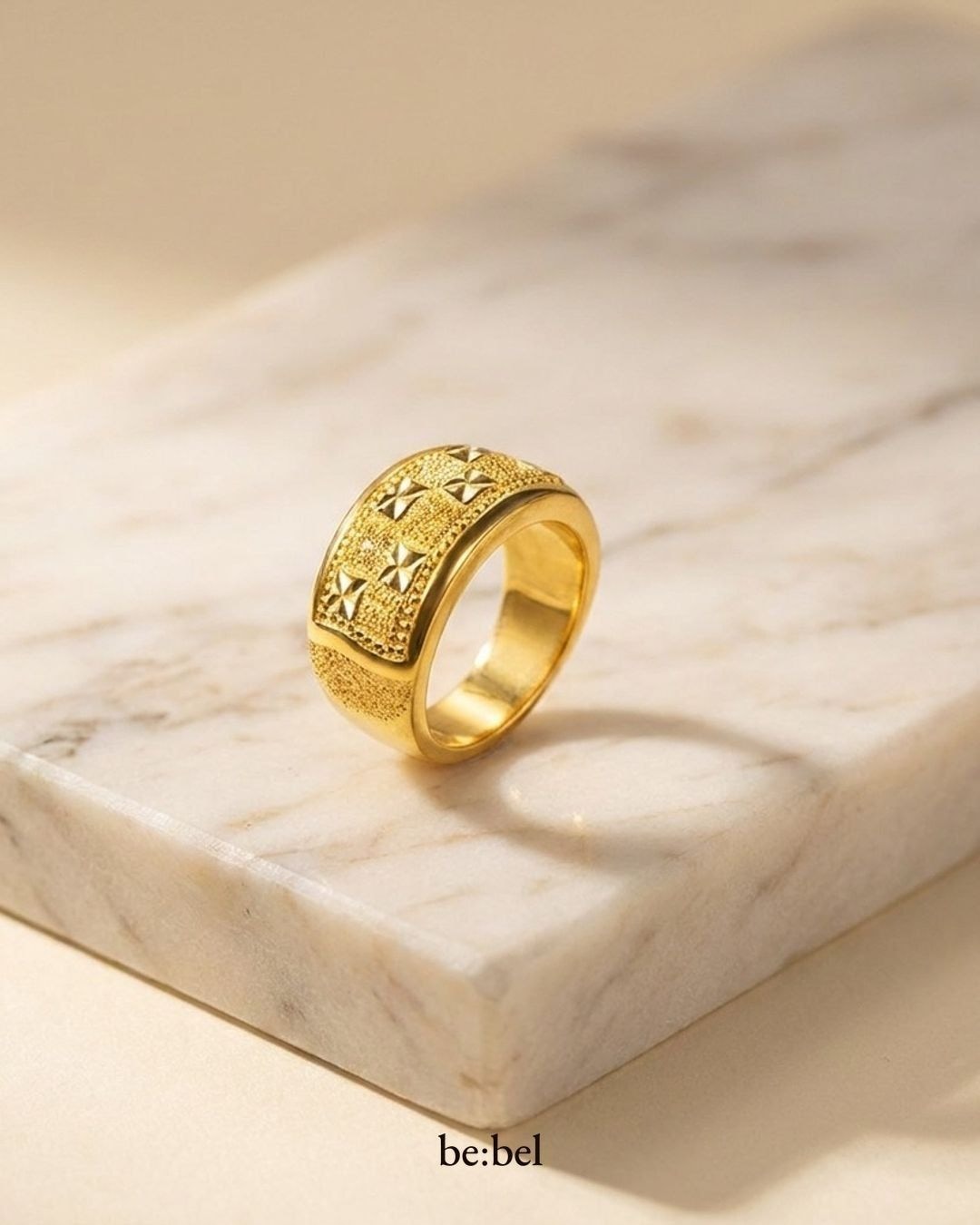
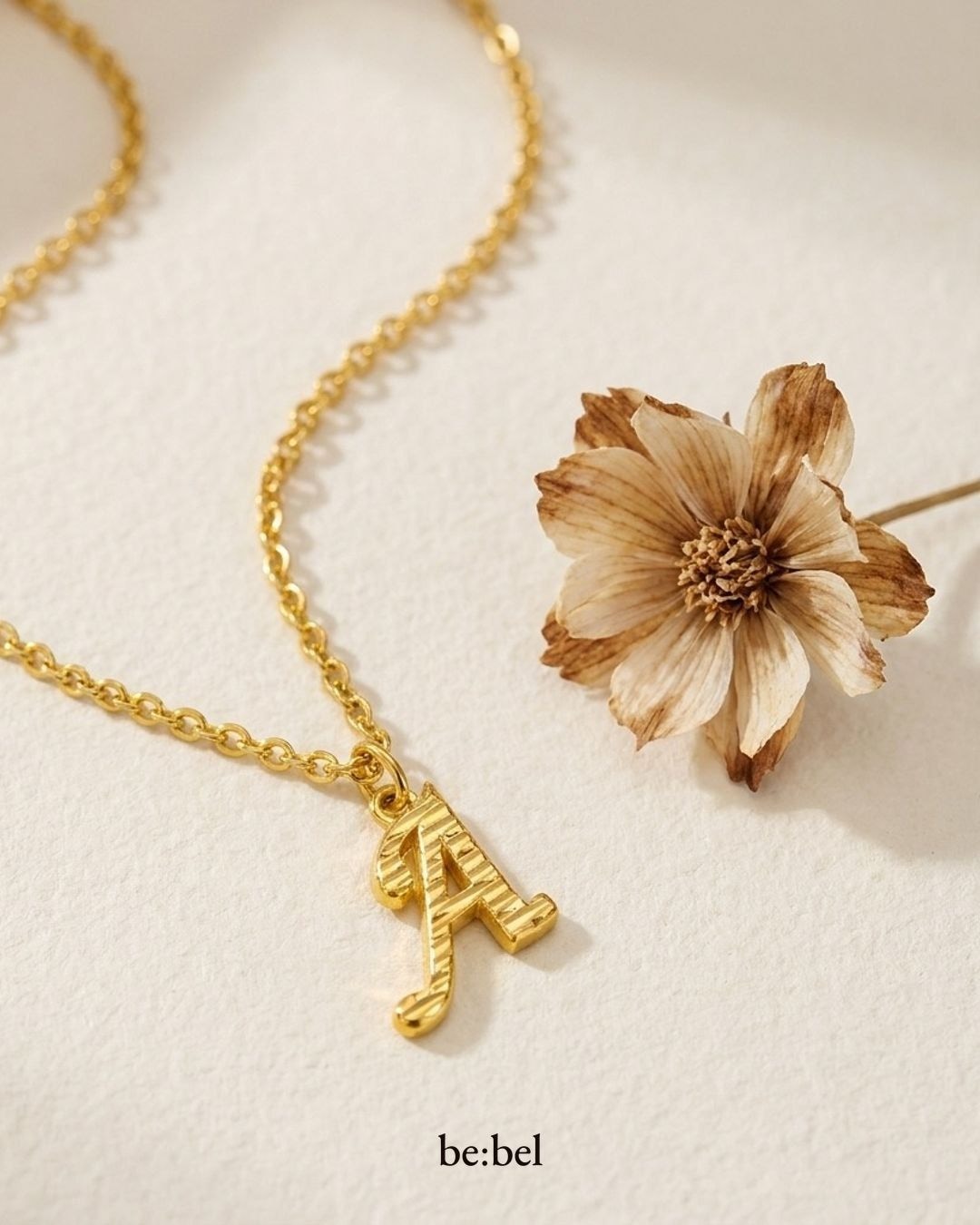
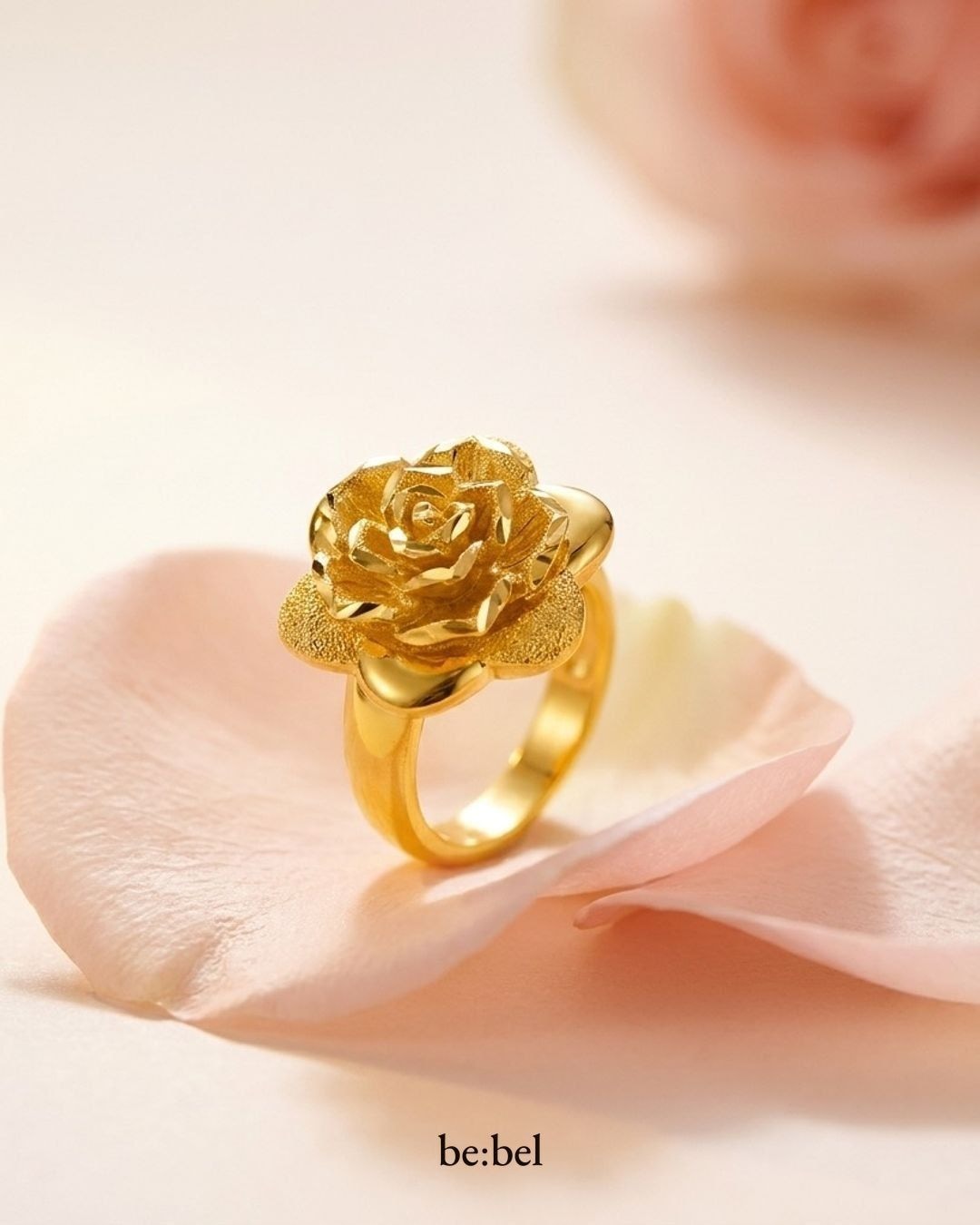
Pouring gold into a standardized mold to solidify it is all it takes for a gold bar, but rings and necklaces worn on the body belong to an entirely different realm of craftsmanship. Finger and neck circumferences vary widely from person to person. Whether a ring is size 9 or size 19, or a necklace is 42 cm or 45 cm long, maintaining the exact same visual volume and intricate aesthetic proportions while precisely meeting the stated pure gold weight is by no means simple.
Pure gold is soft and delicate by nature. Even the slightest mishandling can cause it to bend or snap easily. Meticulously bringing a set design to life without the slightest distortion, while matching the specified weight across different sizes without error, requires the keen touch and practiced skill of an experienced artisan.
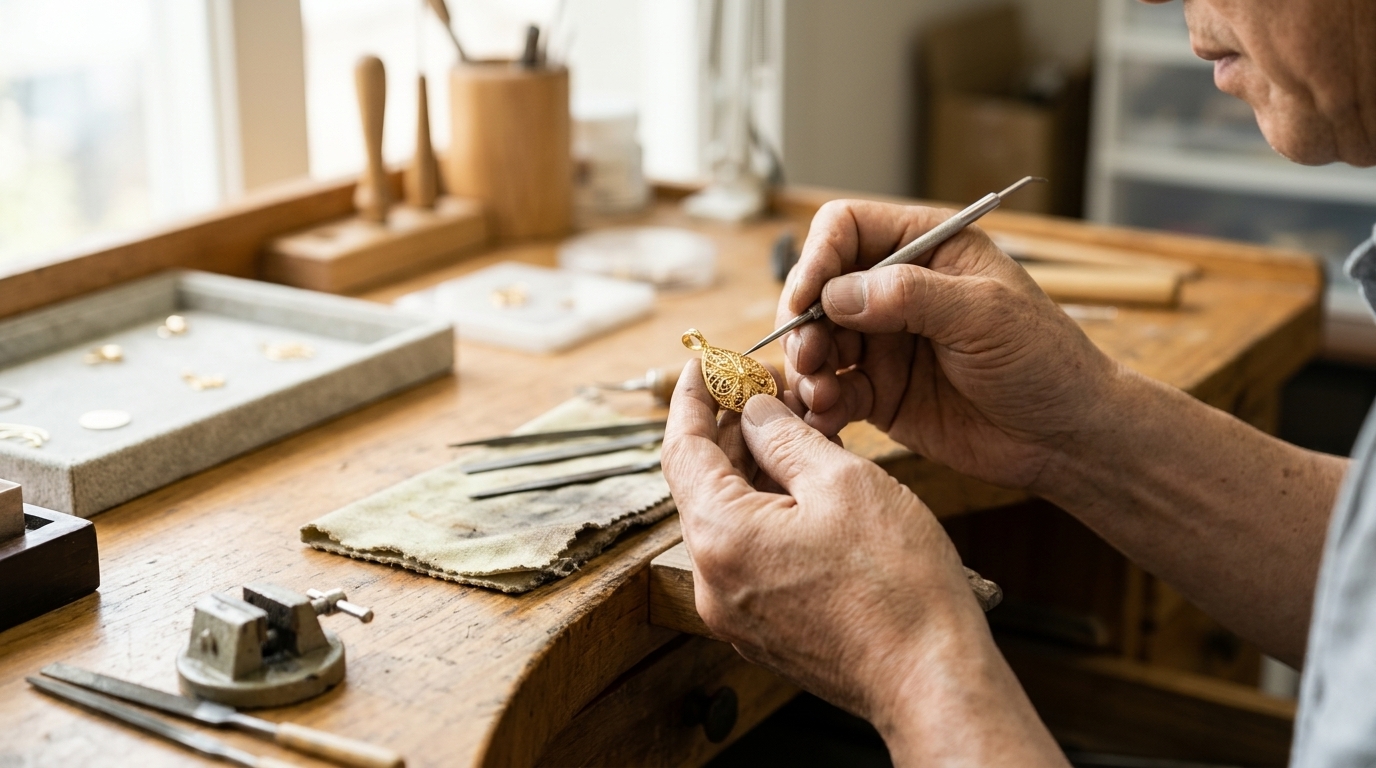
Therefore, if you focus solely on today's gold price numbers when choosing pure gold jewelry, it is easy to overlook the piece's inherent craftsmanship and comfort when worn. It is worth remembering that what we pay for and keep close to us is not a lump of gold, but "jewelry you want to wear every day" that has been brought to life through an artisan's touch, bearing perfect proportions and luster.
995 and 999 Purity: The Standard You Shouldn't Overlook in the Markings
When reviewing jewelry details, many people get confused because some items are marked as 995 and others as 999. The "four nines" (99.99%) commonly thought of is a standard applied only to bullion gold bars; structurally, it is not used in jewelry worn in everyday life.
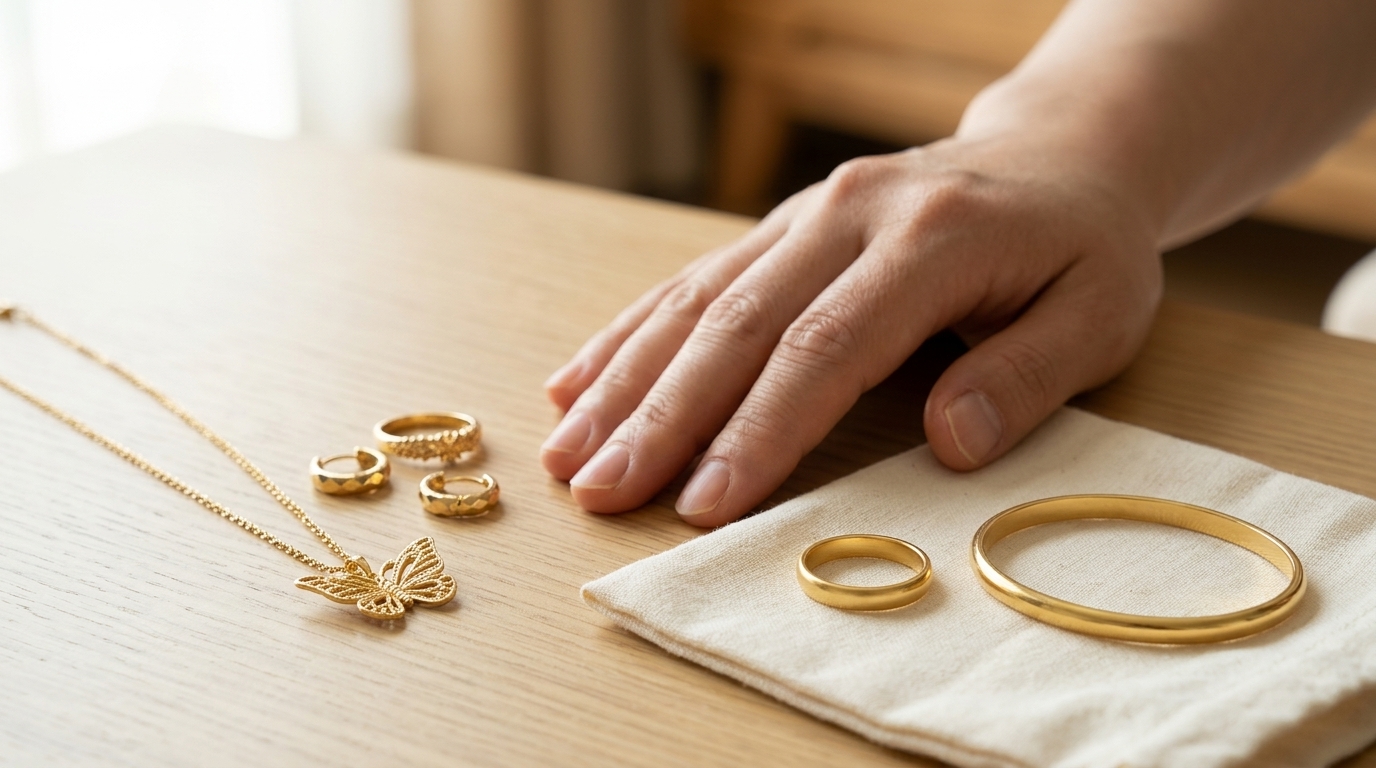
Pure gold jewelry is broadly divided into two categories. Everyday fashion jewelry that requires delicate detail and durability—such as rings, necklaces, bracelets, and earrings—is crafted with 995 (99.5%) purity. On the other hand, dol rings (Korean first-birthday gold rings), placed briefly on a baby's finger to convey blessings, are typically made with 999 (99.9%) purity.
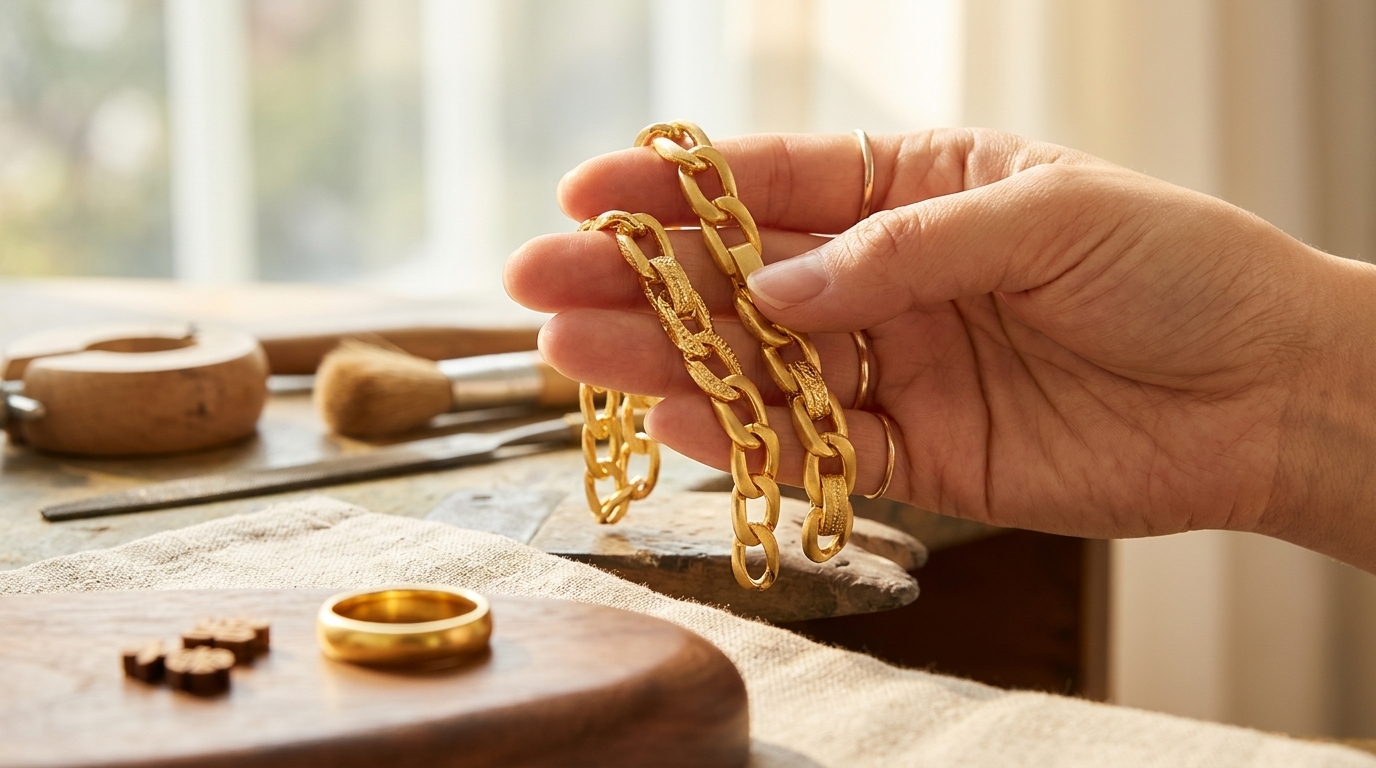
That subtle 0.4% difference determines the jewelry's strength to hold its shape in everyday life. Purity of 995 serves as the optimal benchmark that fully retains gold's signature deep, rich golden hue while allowing artisans to craft intricate facets and voluminous link structures. When checking purity markings, rather than vaguely assuming that a higher number is always better, it is wise to verify whether the appropriate purity has been honestly applied according to how the jewelry will be worn.
The Hidden Honesty of 18K Clasps in Necklaces and Bracelets
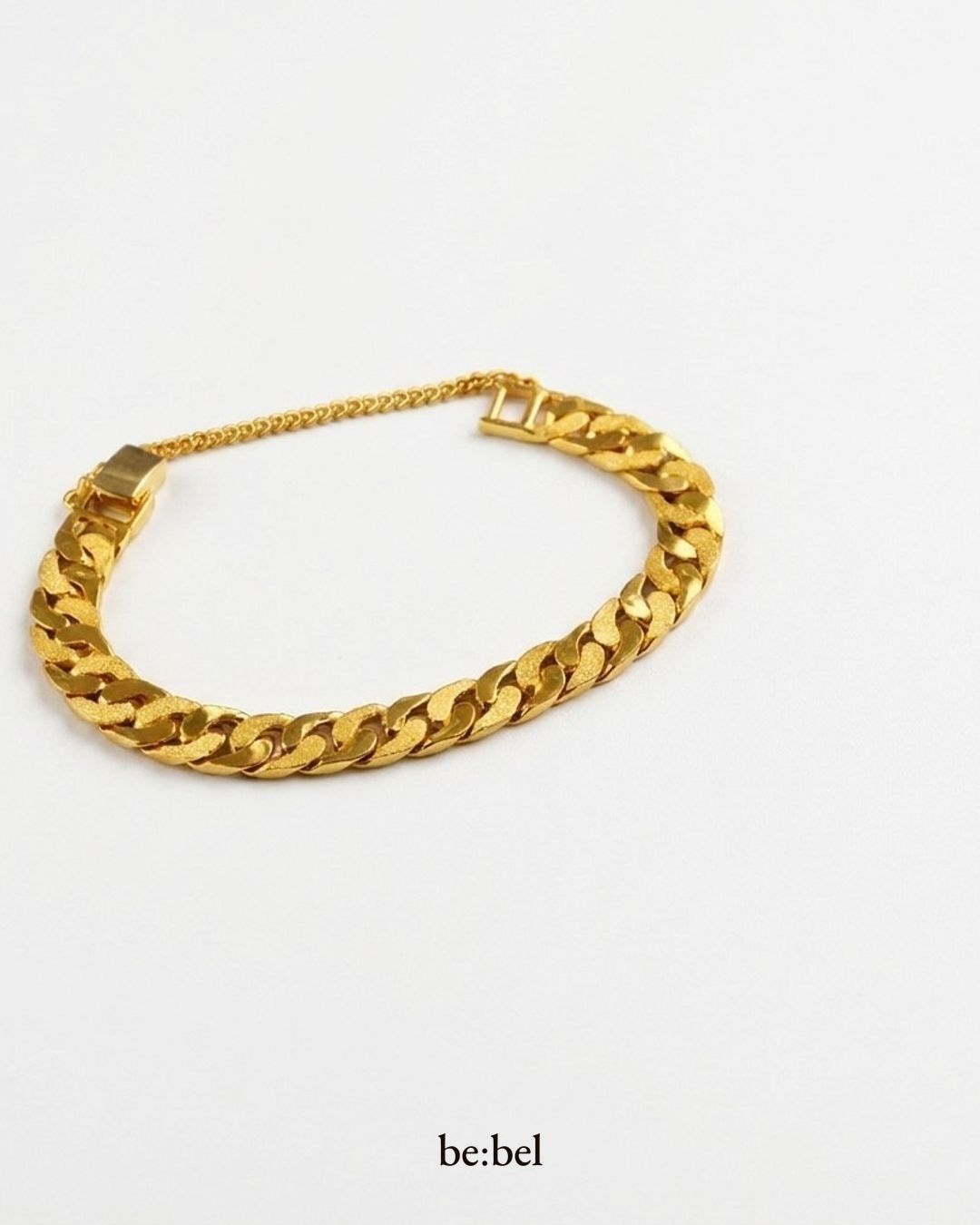
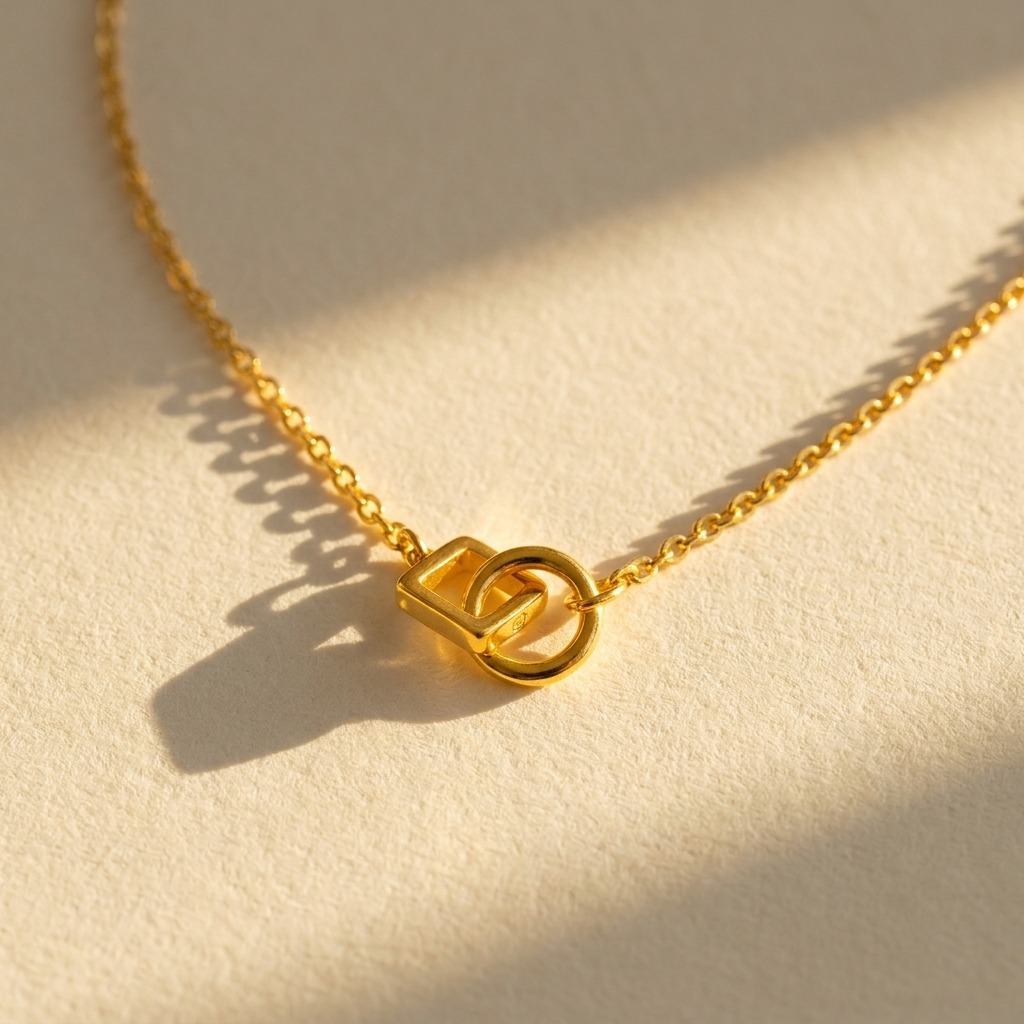
Have you ever taken a close look at the clasp when choosing a necklace or bracelet? The lobster clasps or S-hook clasps attached to the ends of pure gold chains are crafted from 18K gold, not pure gold. This is by no means done to cut production costs.
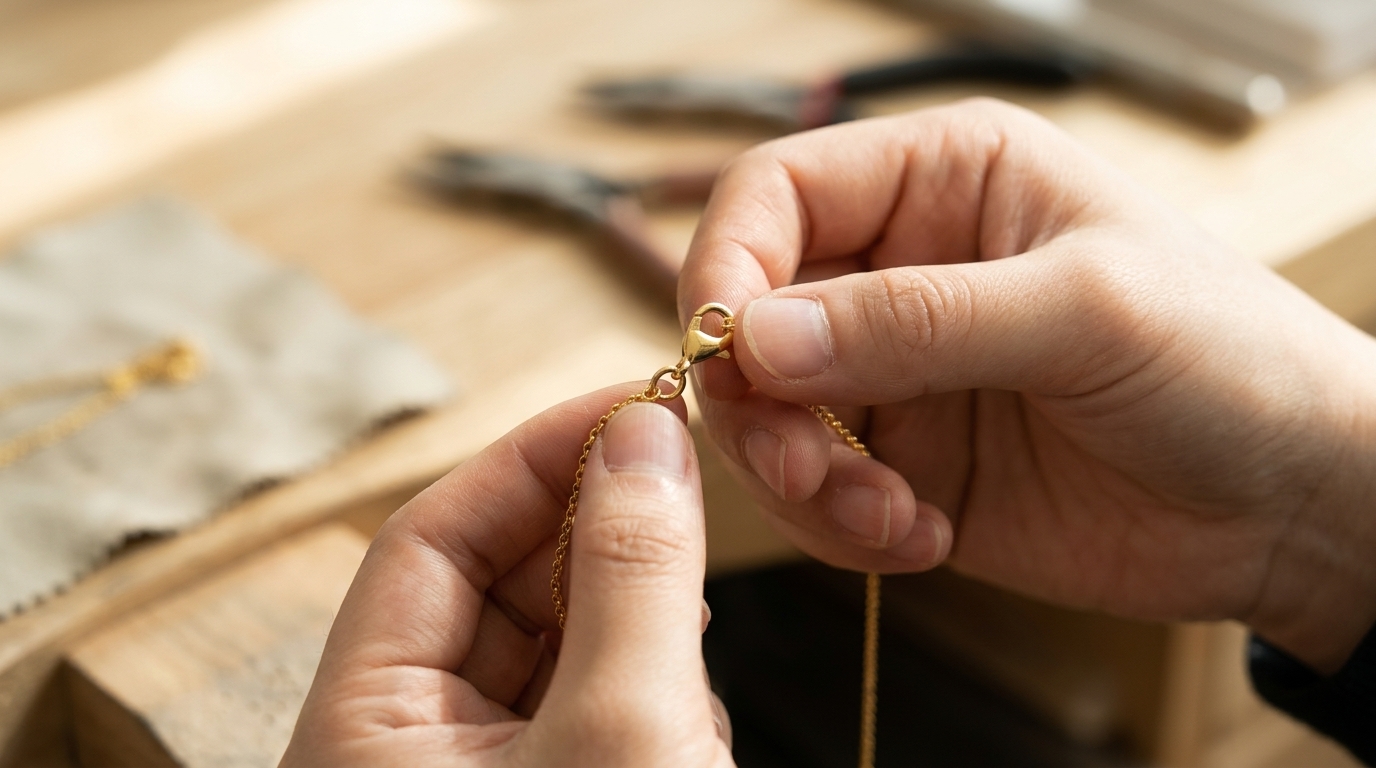
Because pure gold is an extremely soft metal, making a clasp that is frequently opened and closed out of pure gold carries a high risk of loosening or bending open in a short time, leading to the loss of precious jewelry. Springs and clasp mechanisms that require elasticity and strength must be crafted from 18K gold (with a 75% gold content) so you can wear them every day with peace of mind.
This is where the maker's honesty becomes distinctly evident. Because 18K has a lower gold content than pure gold, meeting the stated weight solely with pure gold when placing the finished piece on a scale makes the calculation considerably more exacting.
An honest maker never deducts even 0.1 g from the ordered pure gold weight, putting every fraction of it into the main body of the jewelry. The weight of the 18K clasp is then added on top to complete the piece.
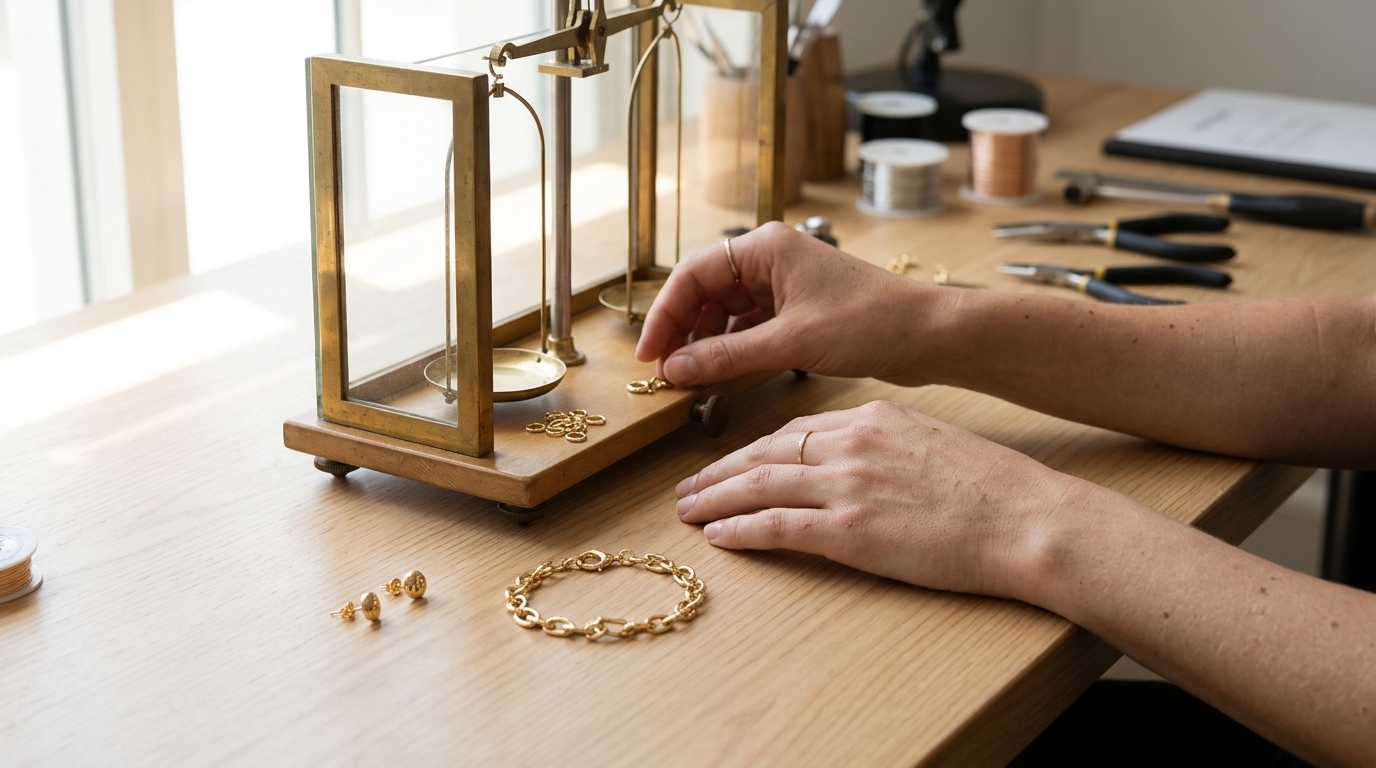
Consequently, when the finished piece is placed on a precision scale, the most standard and authentic craftsmanship shows a total weight measured slightly heavier than the pure gold weight stated on the certificate. Checking whether the amount of pure gold was quietly reduced under the pretext of the clasp is a decisive benchmark for gauging unseen quality.
Pure Gold to Wear from Your Wardrobe, Not to Lock Away in a Keepsake Box
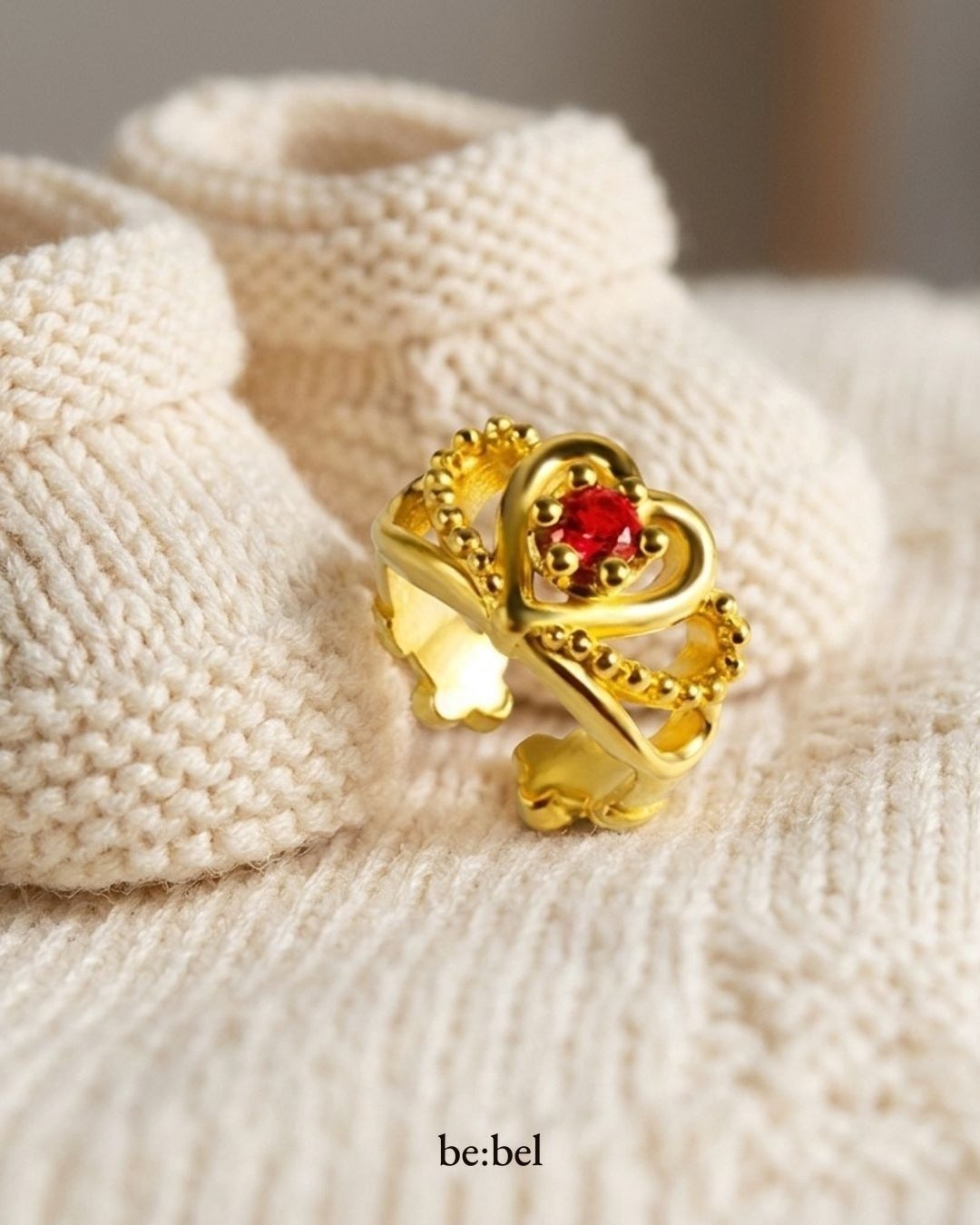
The era of locking pure gold away deep in wardrobes or safes has passed. Rather than checking today's gold price every hour and fretting over asset fluctuations, the true charm of pure gold lies in letting it shine naturally atop the shirt or cozy knit you are wearing today.
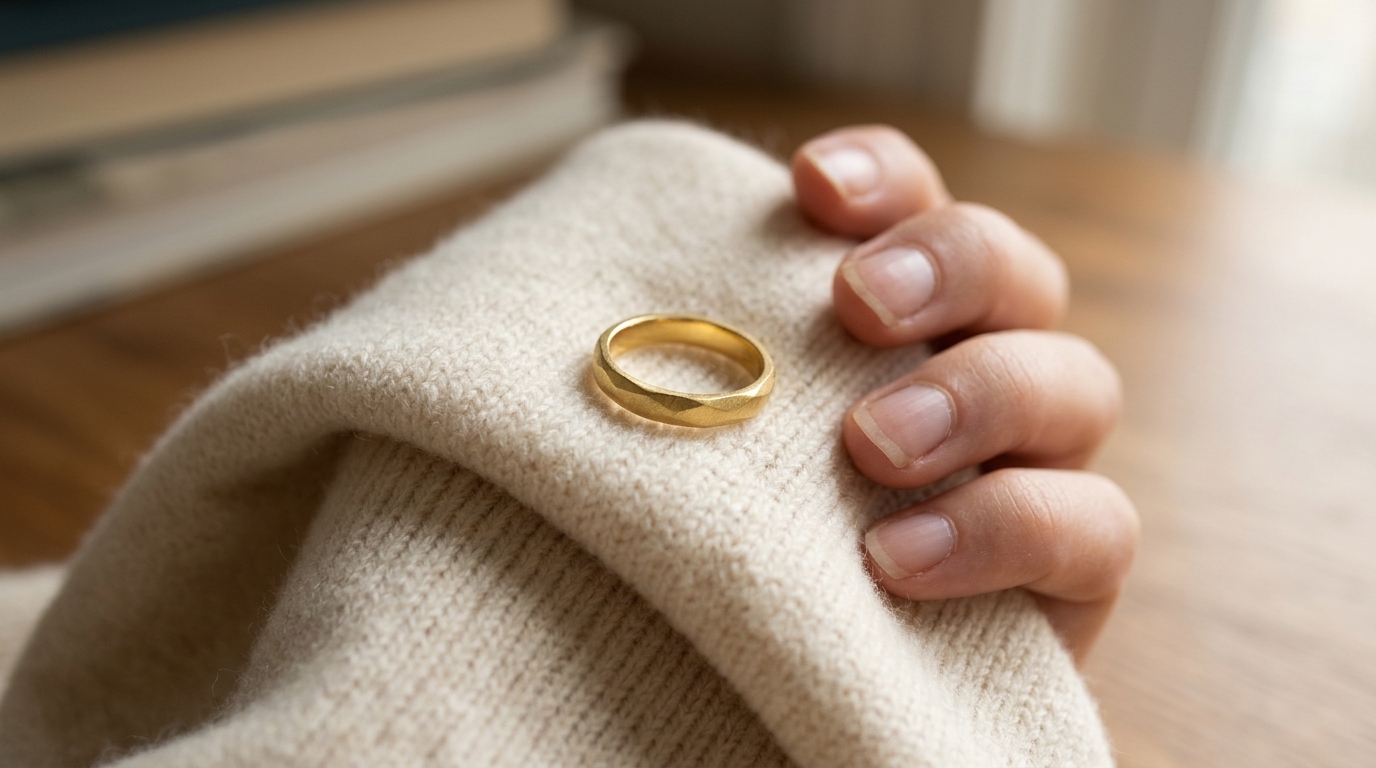
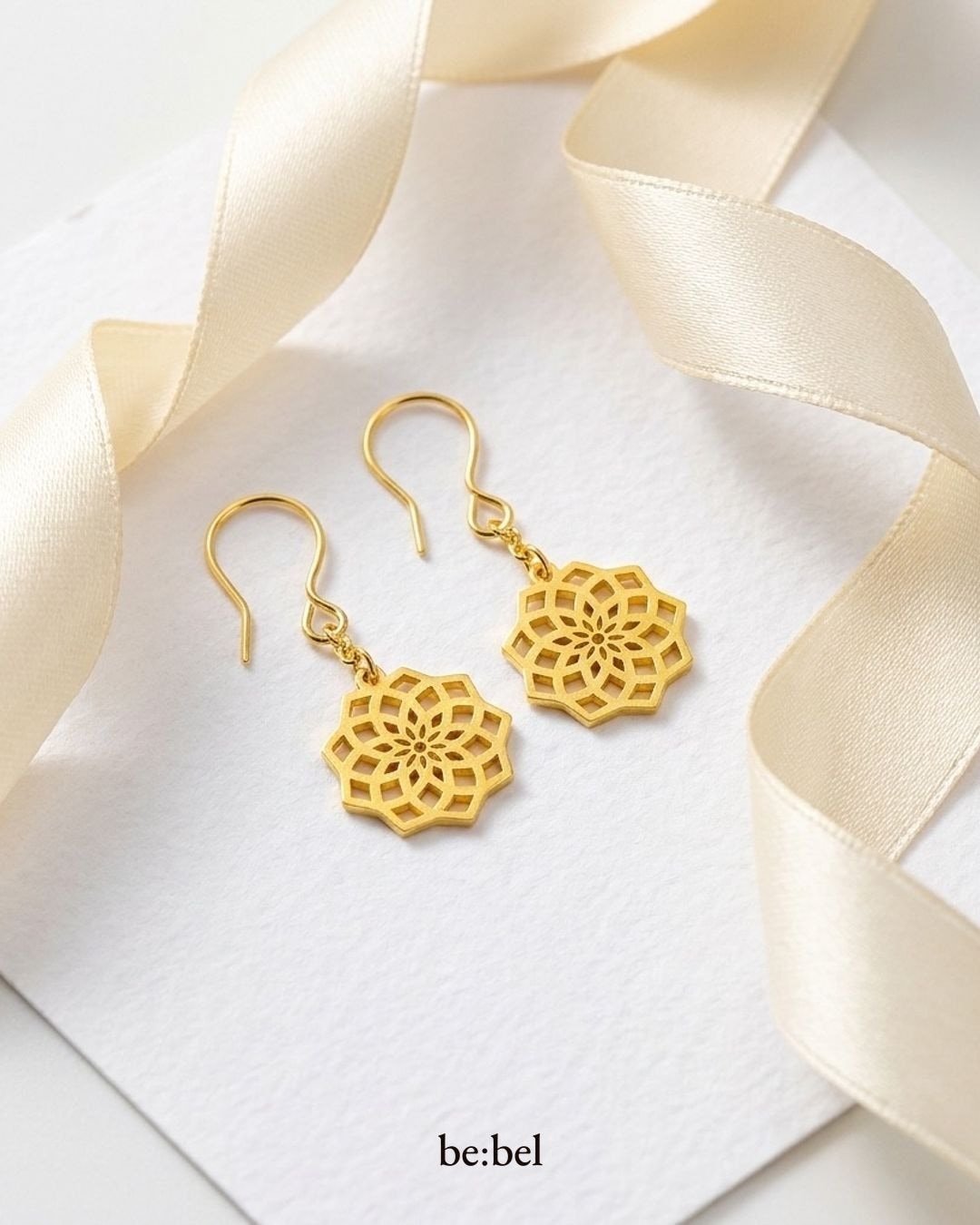
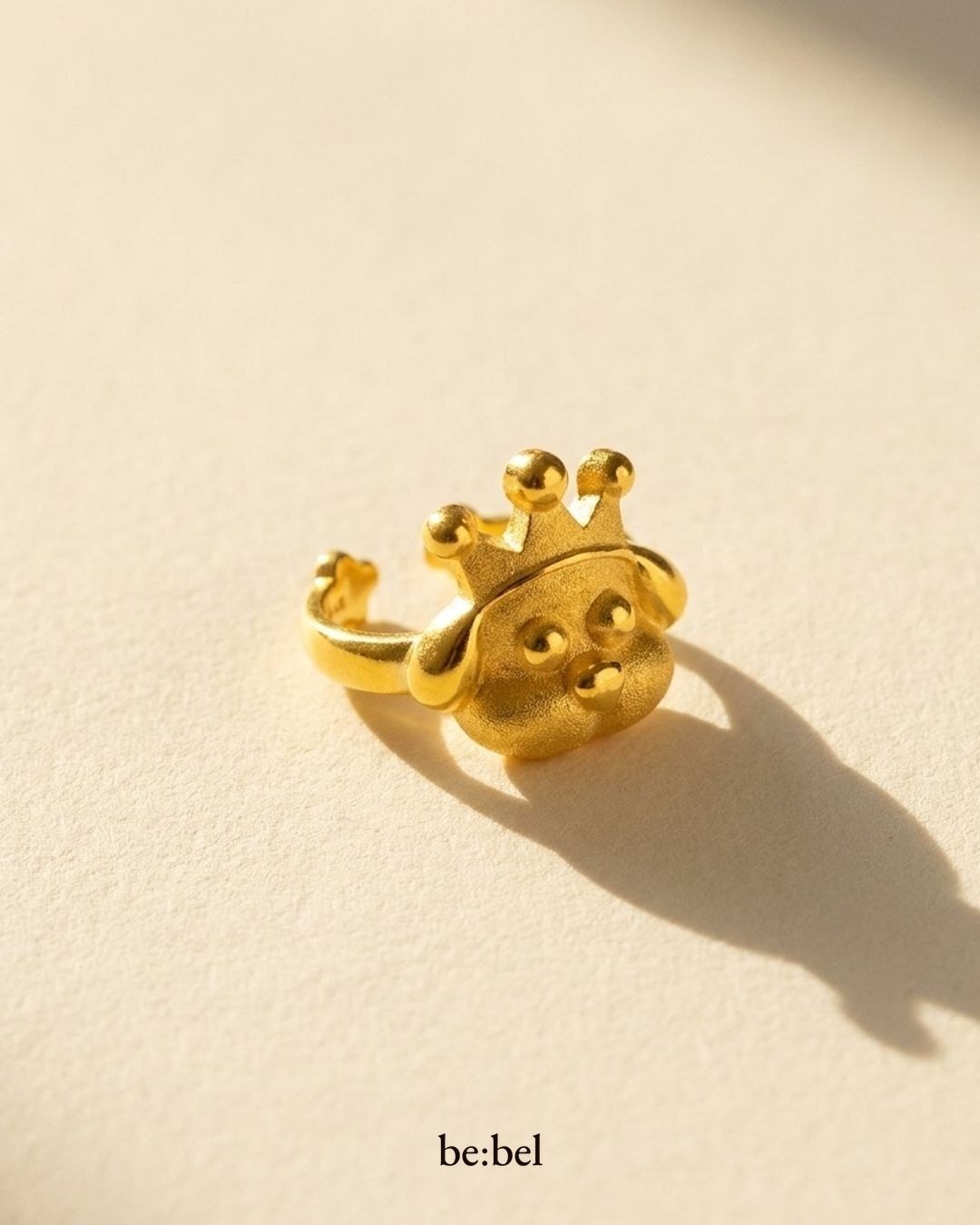
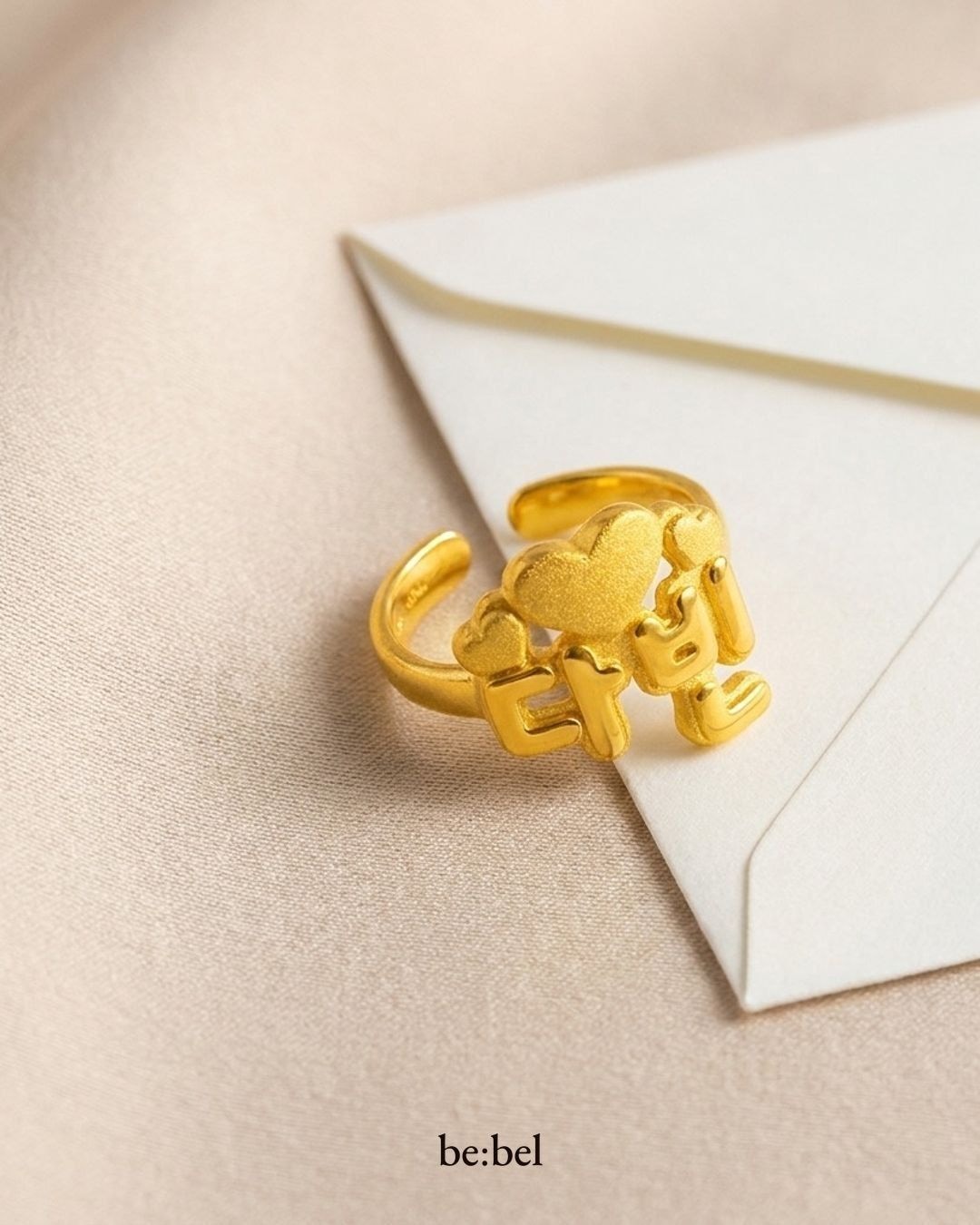
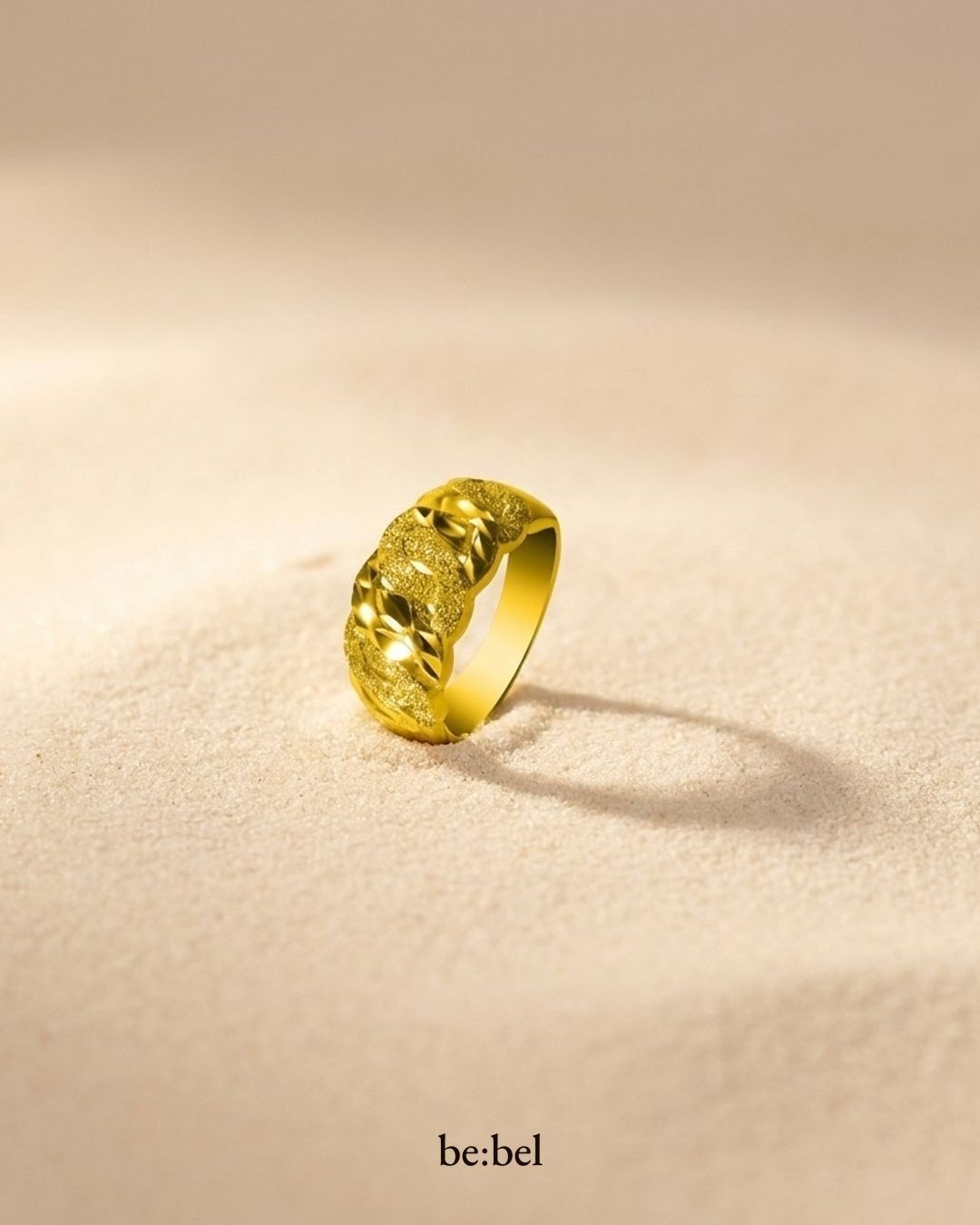
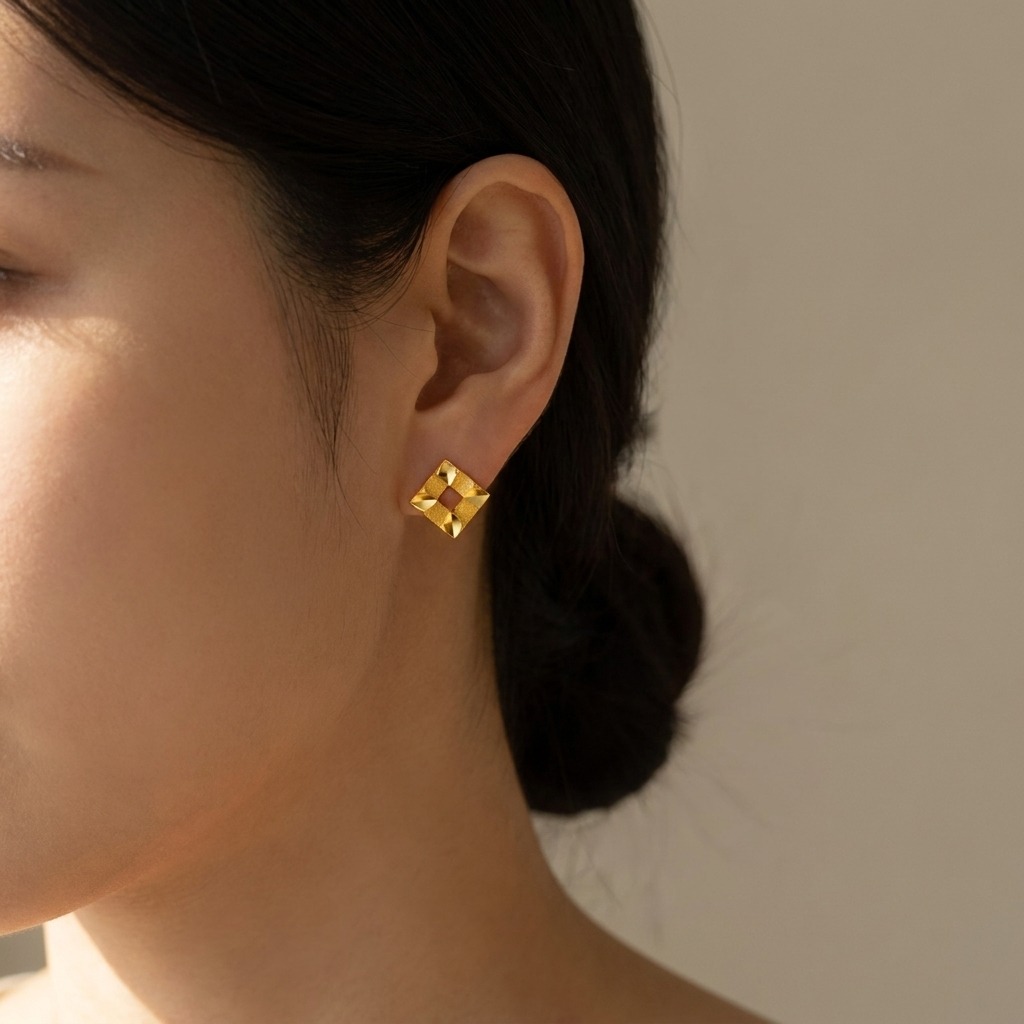
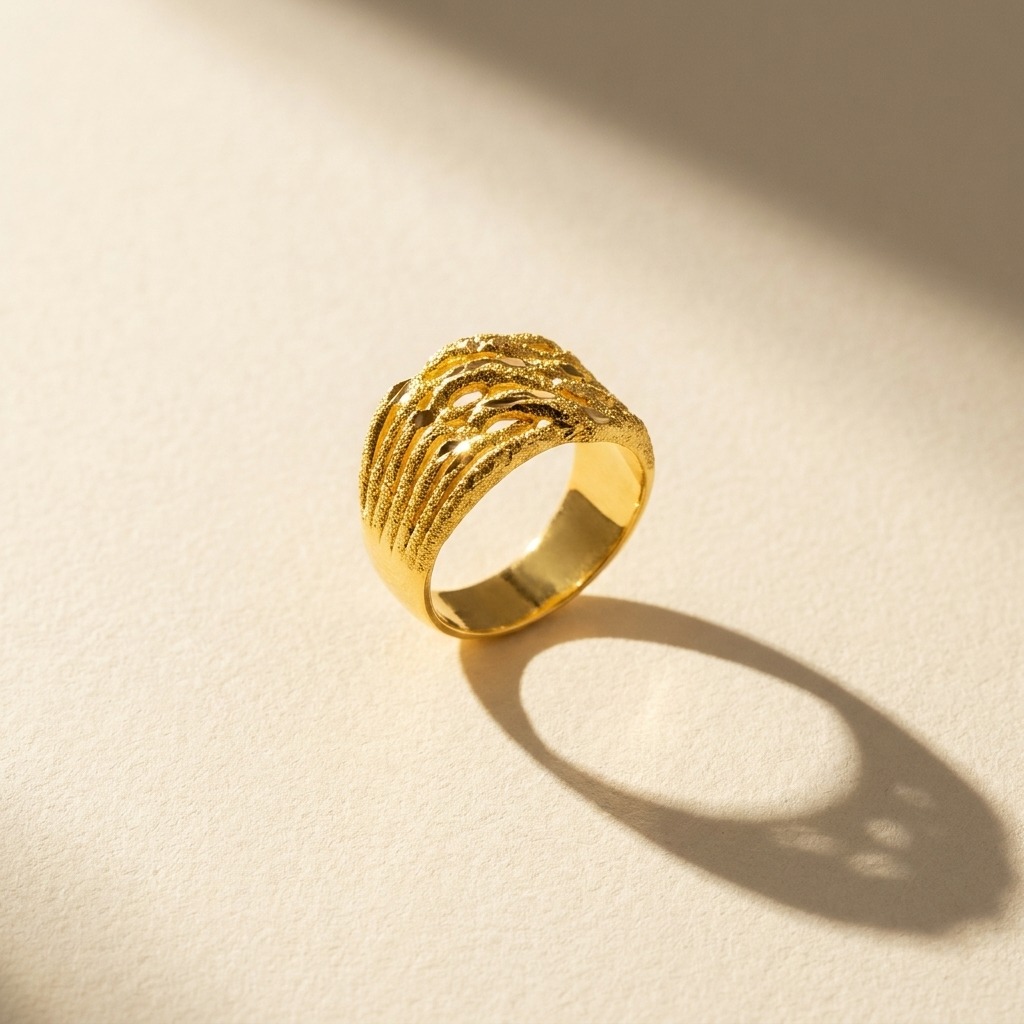
For daily wear, it must, above all, be snag-free and feel smooth against the skin. It requires an artistic sensibility to create refined planes and tasteful textures so that pure gold's characteristic vivid yellow tone does not feel overwhelming or overly prominent.
Jewelry refined to be reached for as naturally as everyday clothes, moving away from conventional, bulky pure gold designs, brings a special shift to one's day. Because gold possesses an unchanging intrinsic value, its luster does not fade over time, passing on its elegant beauty to the next generation in years to come.
Honesty
Frequently Asked Questions
Why does the price of pure gold jewelry differ from the market gold price?
Because in addition to the raw material market price, pure gold jewelry includes the artisan's sophisticated crafting process, design maintenance, and the costs of reliable sales and operations.
What is the difference between pure gold jewelry purities of 995 and 999?
Purity of 995 is well suited for daily fine jewelry, whereas 999 purity is primarily used for commemorative pieces such as dol rings. Purity of 995 is advantageous for durability and realizing intricate designs.
Why are clasps on pure gold necklaces and bracelets crafted in 18K?
Because pure gold is naturally soft, clasps made from it can easily loosen or snap. With its resilience and firmness, 18K allows the jewelry to be worn securely.