
Selling Gold: Why Market Quotations Differ from What You Receive
Many people take out gold rings or necklaces kept deep inside their homes, only to be flustered when the "today's gold price" they checked on a portal site differs significantly from the actual payout they receive in hand.
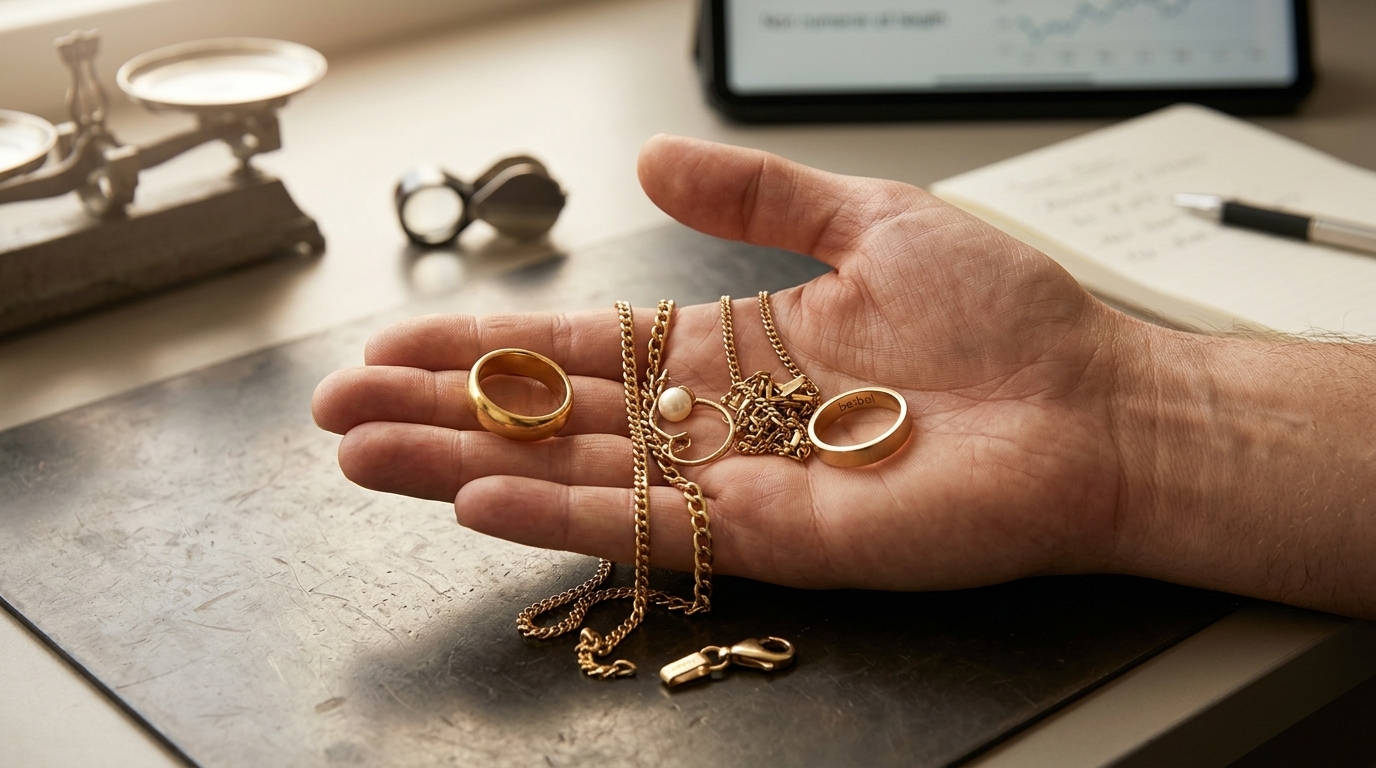
The buyback price listed on a gold price chart is merely a benchmark indicator, and the final payout amount varies considerably depending on the purity and form of your gold pieces, as well as the detailed calculation criteria applied by the buyer.
If you do not clearly understand what to look out for when reselling gold in advance, you may end up accepting unnecessary deductions or failing to receive full, fair value for your gold.
Why Is There a Difference Between the Buying Price and the Resale Price?
An inevitable gap exists between the amount paid when purchasing gold jewelry and the amount received when selling it back.
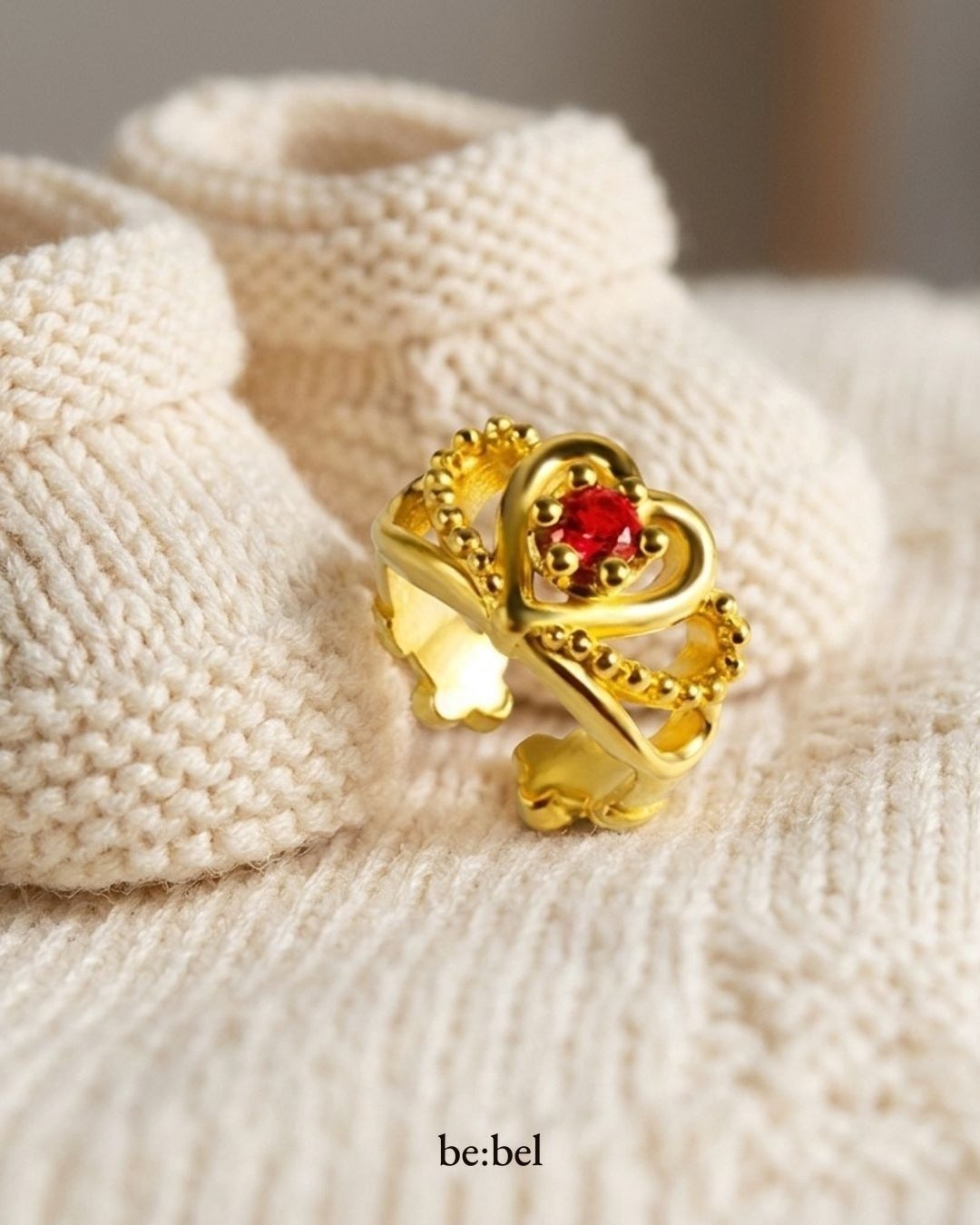
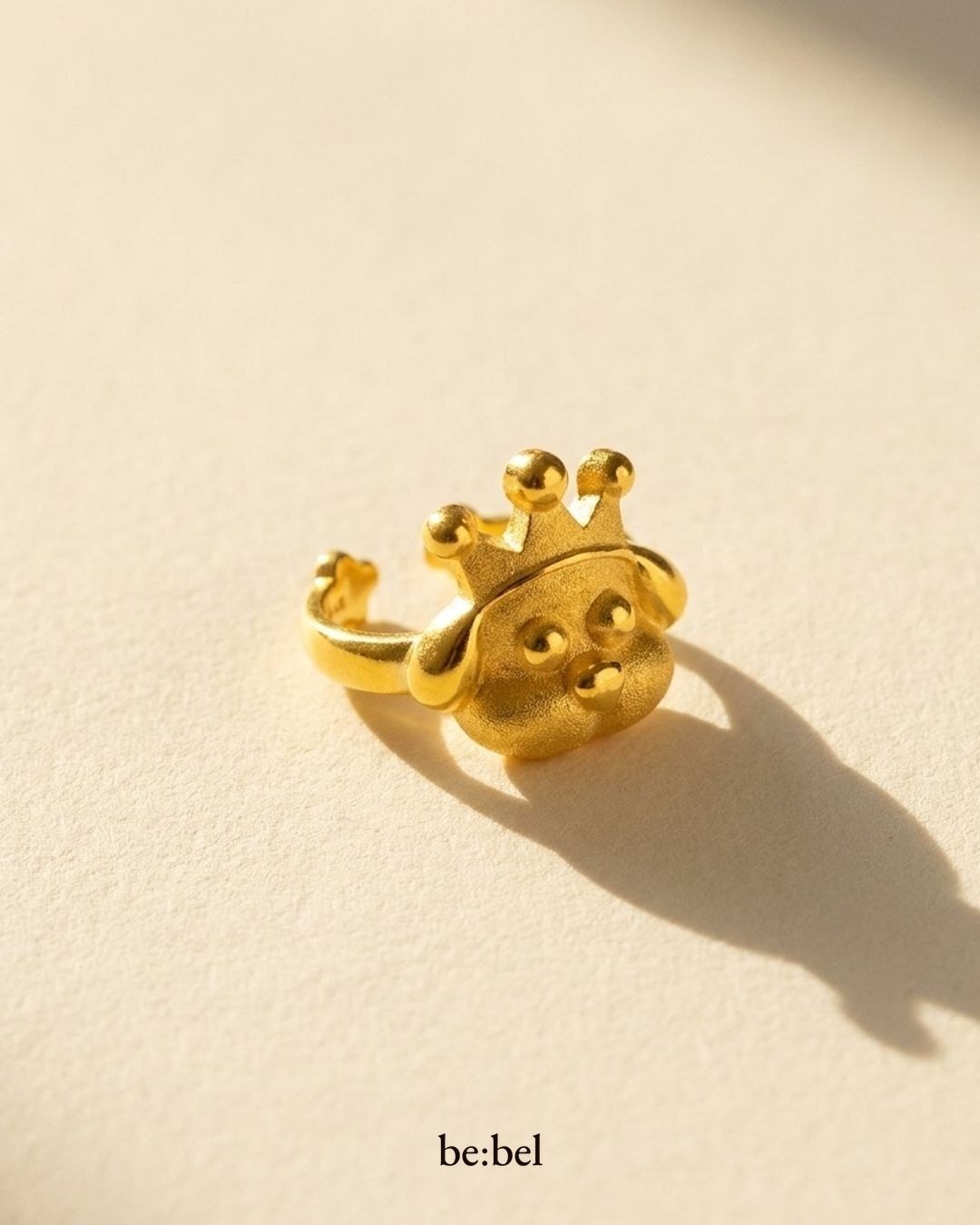
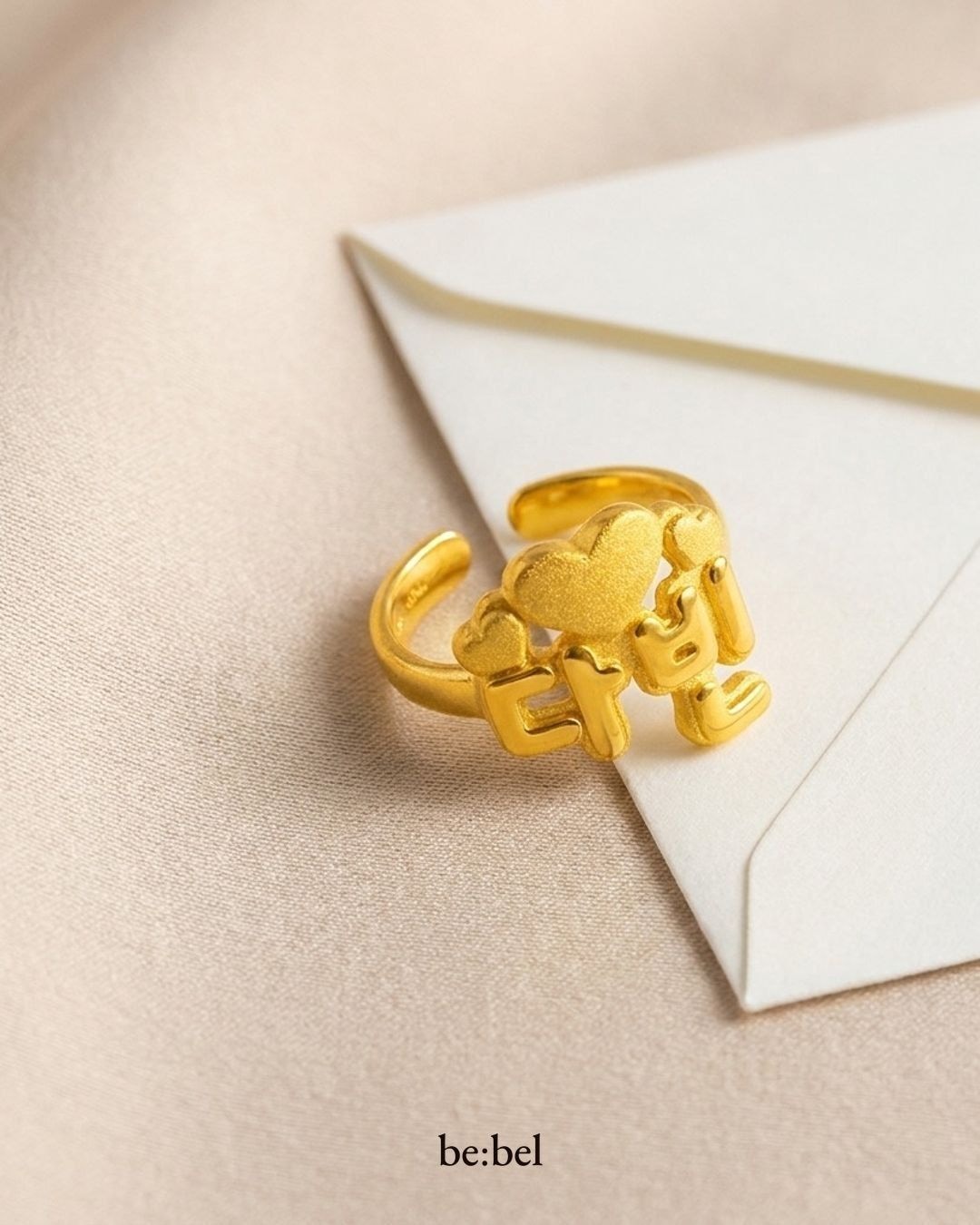
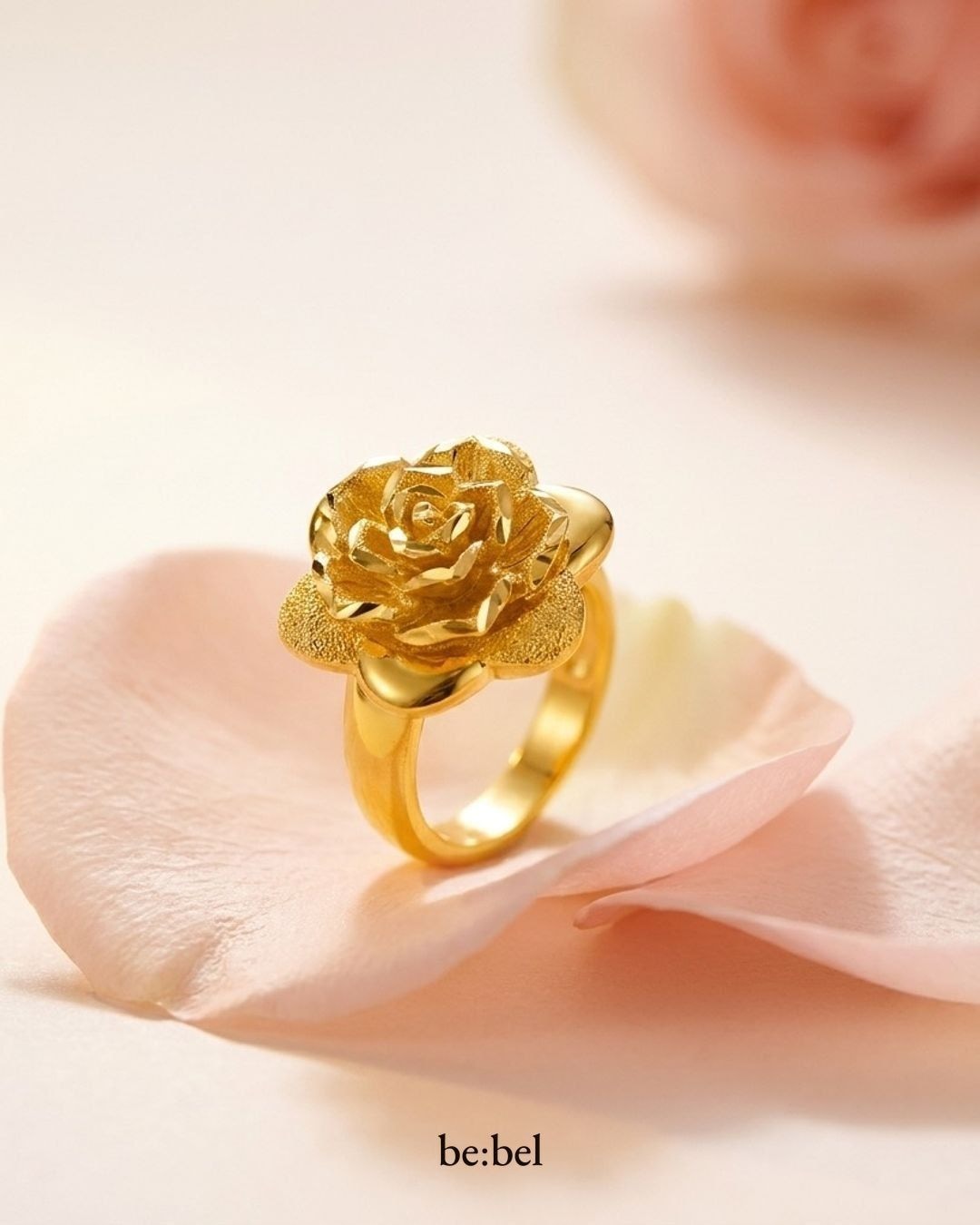
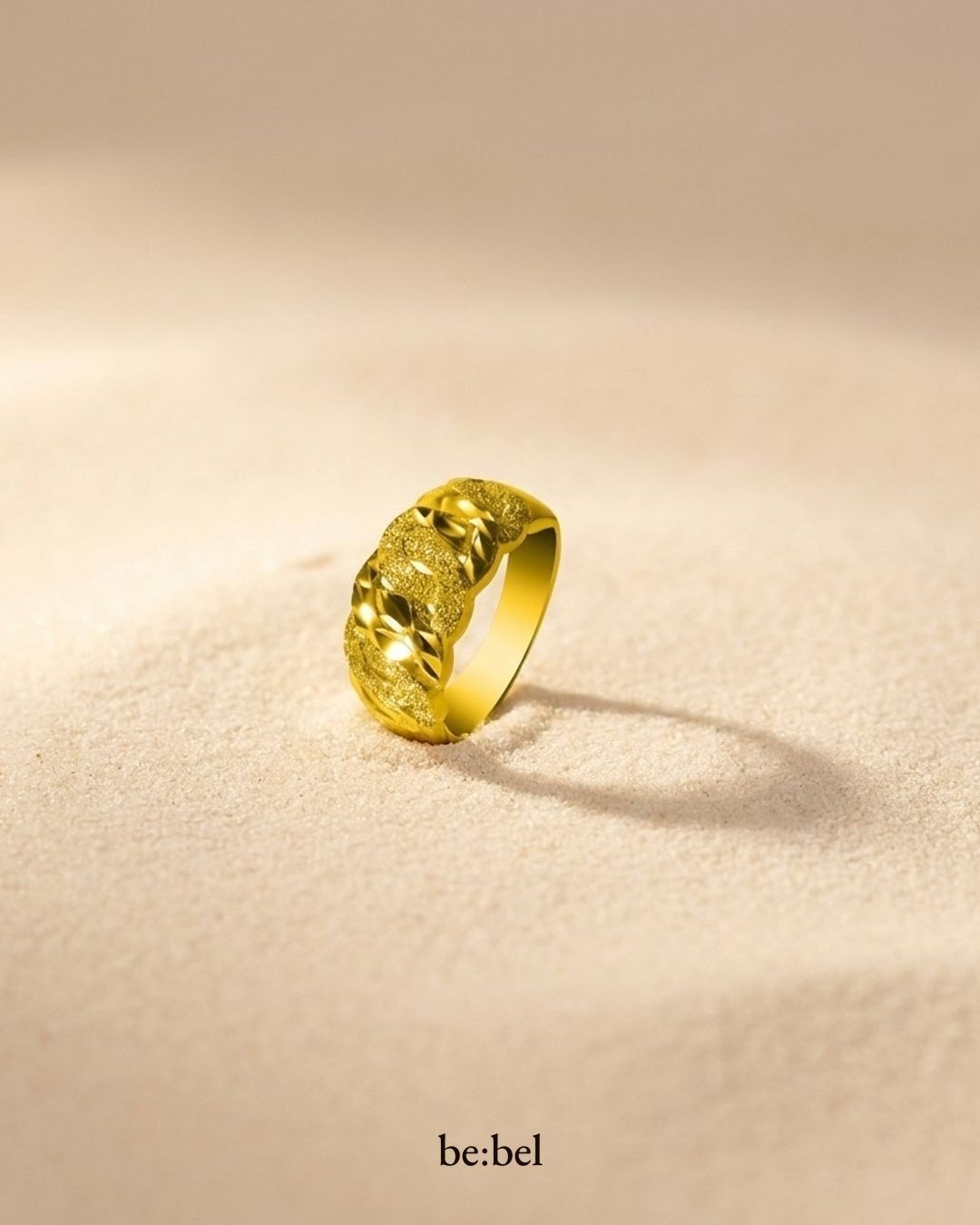
The price paid when purchasing pure gold jewelry includes many elements beyond the raw material cost of pure gold. It encompasses the skilled craftsmanship required to refine, size, and measure soft, delicate pure gold without distorting its unique shape, along with the operational and overhead costs of running a brand and safely delivering the finished piece.
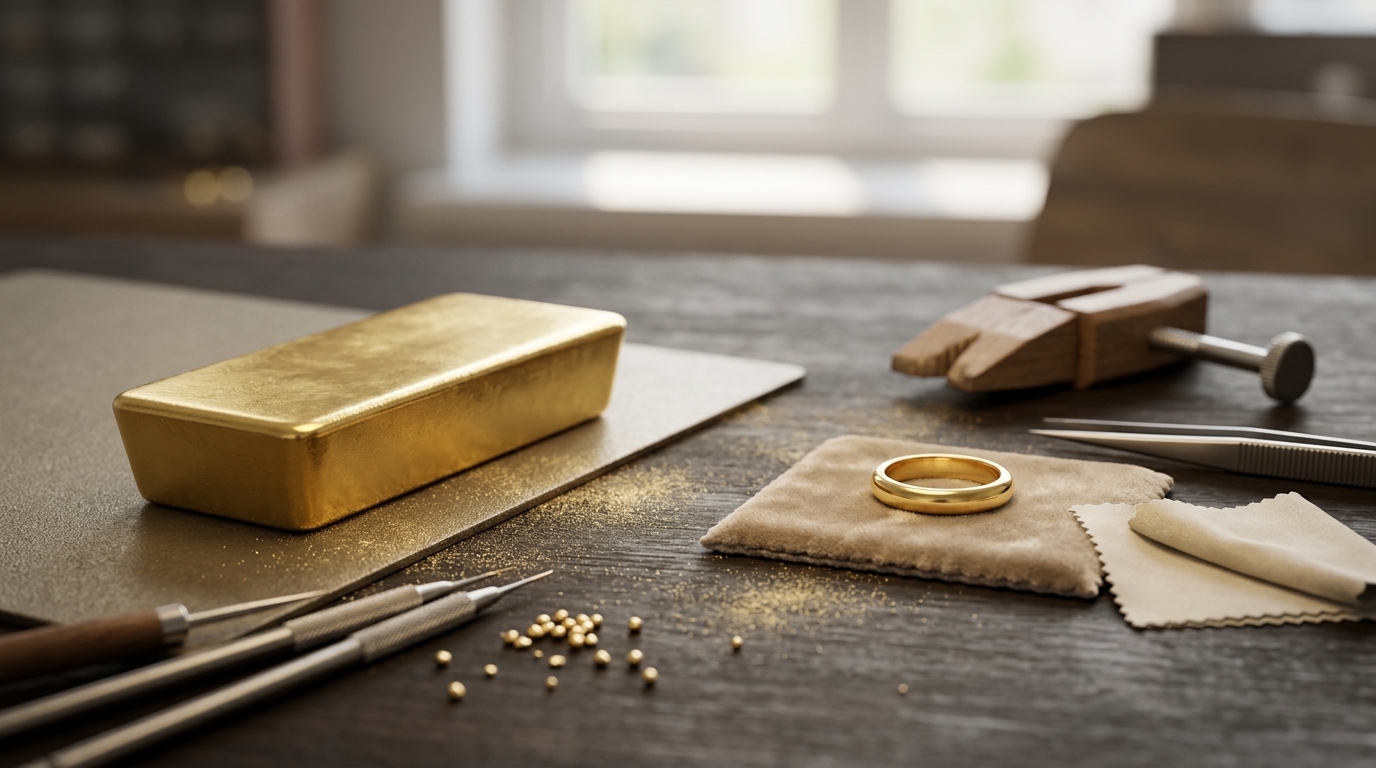
On the other hand, the moment you resell gold, the evaluation centers not on the design or difficulty of craftsmanship, but on the raw material value: "How many grams of pure gold are actually contained in this piece?"
"When buying, you are purchasing finished jewelry that brightens your everyday life; when selling back, you are having the pure amount of gold that can be melted down and reused appraised."
Once you understand this fundamental difference, the gap between the selling and buyback prices on the price chart makes natural sense, allowing you to approach the buyback process without unnecessary misunderstandings.
Why You Should First Check the Purity Hallmarks on Your Gold
Before weighing your gold to sell it, the very first thing you should check is the purity hallmark engraved on the inside of the piece.
Not all pure gold shares the same level of purity. Pure gold jewelry has distinct purity standards depending on the purpose and manufacturing method of the product.
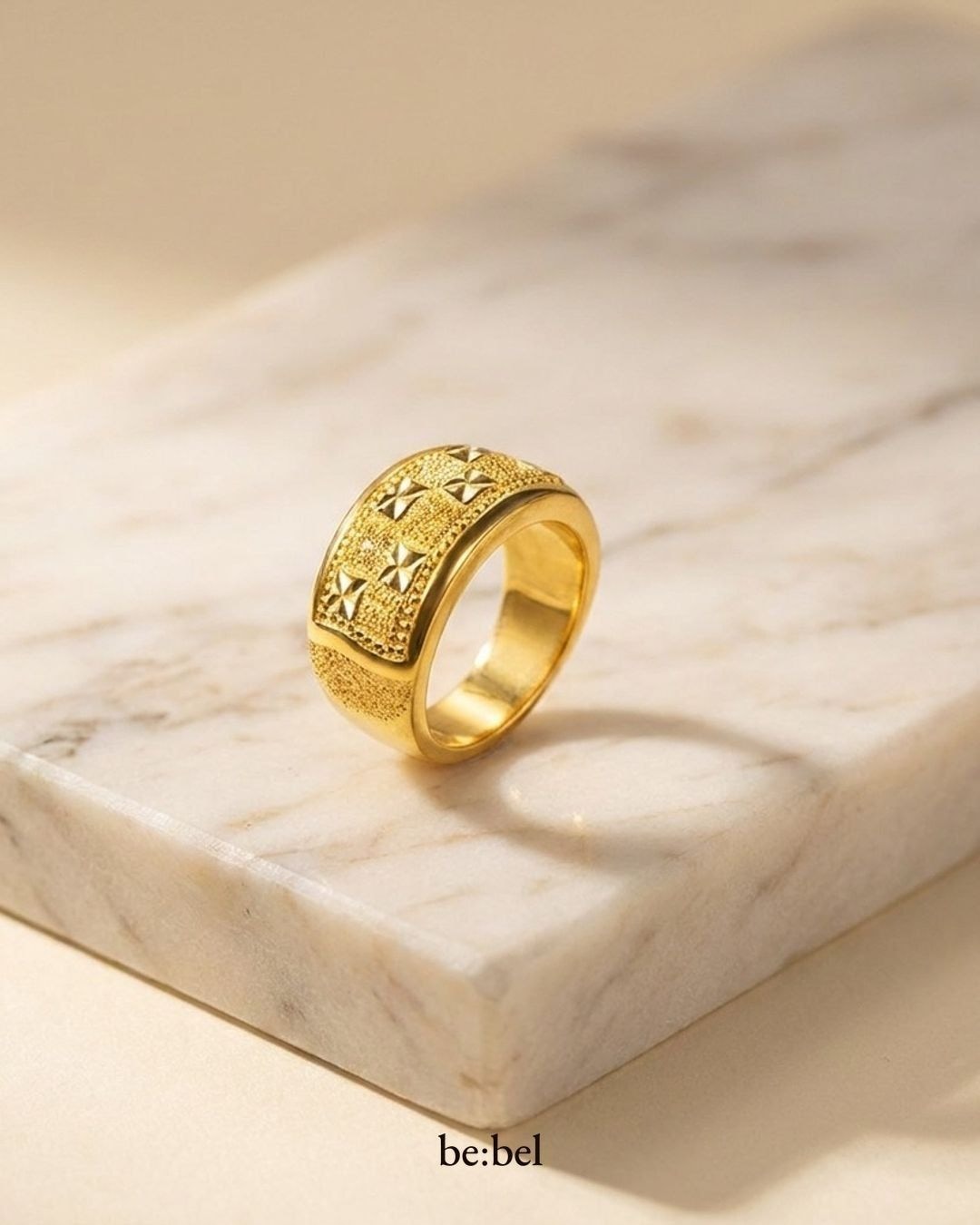
Pure gold jewelry worn on the body—such as rings, necklaces, bracelets, and earrings—is typically crafted at 995 (99.5%) purity. Because jewelry worn and moved in every day must maintain its shape, 995 purity, which ensures minimal structural integrity, is used as the standard.
In contrast, items like dol rings (Korean first-birthday gold rings), which carry a symbolic keepsake meaning rather than being worn daily, are made with 999 (99.9%) purity. The 99.99% "four nines" purity used in investment gold bars is a raw material standard that is not used in jewelry crafting.
| Product Type | Typical Purity | Characteristics |
|---|---|---|
| Pure gold jewelry (rings, necklaces, earrings) | 995 (99.5%) | Standard for everyday wear and shape retention |
| Dol rings / commemorative gifts | 999 (99.9%) | Pure gold standard for gifting and safekeeping |
| Gold bars | 999.9% | Physical raw material standard, not jewelry |
The unit price applied during resale is calculated based on different benchmark prices depending on whether the product is 995 or 999, making it an essential first step to check the purity stated on your certificate beforehand.

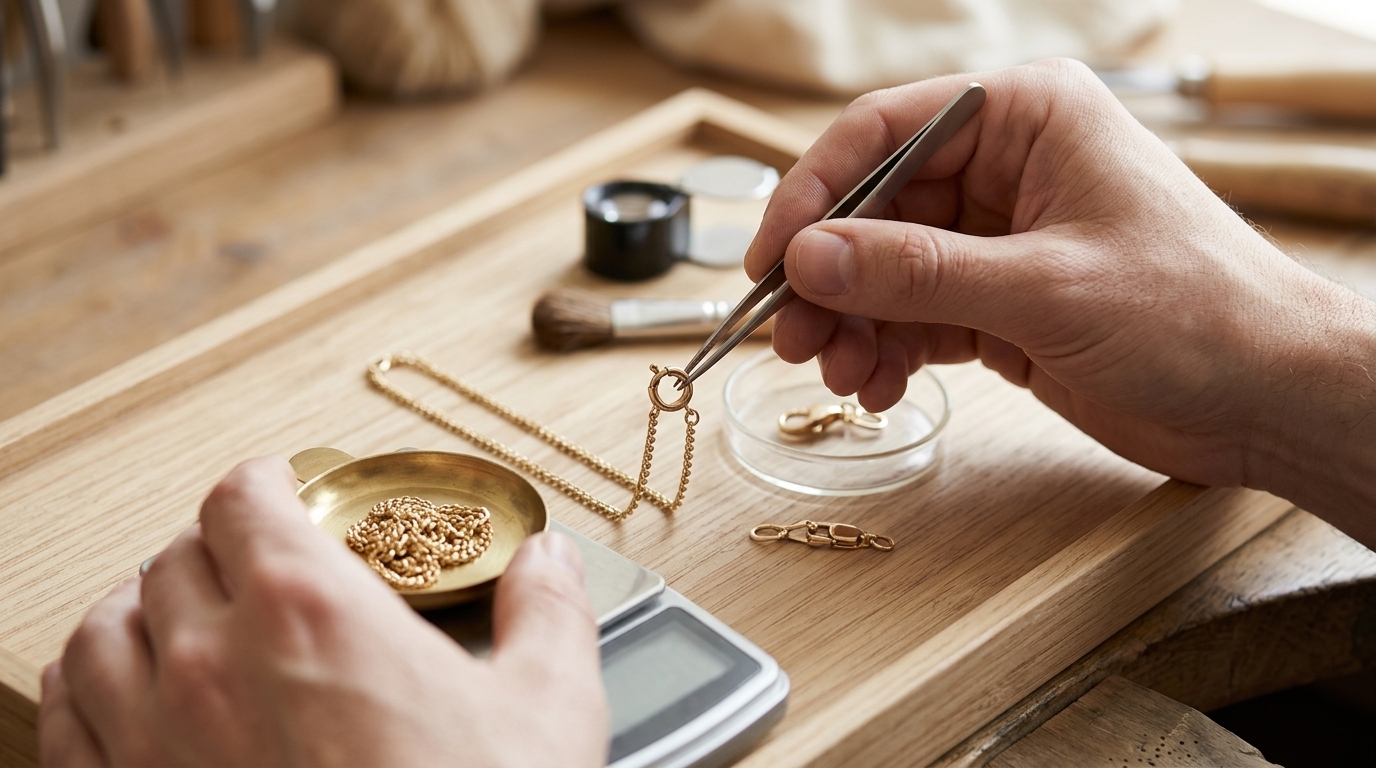
How Are the Clasps of Necklaces and Bracelets Weighed?
When handing over a necklace or bracelet to a buyer, people often wonder why the total weight shown on the scale differs from the pure gold weight listed on the settlement sheet.
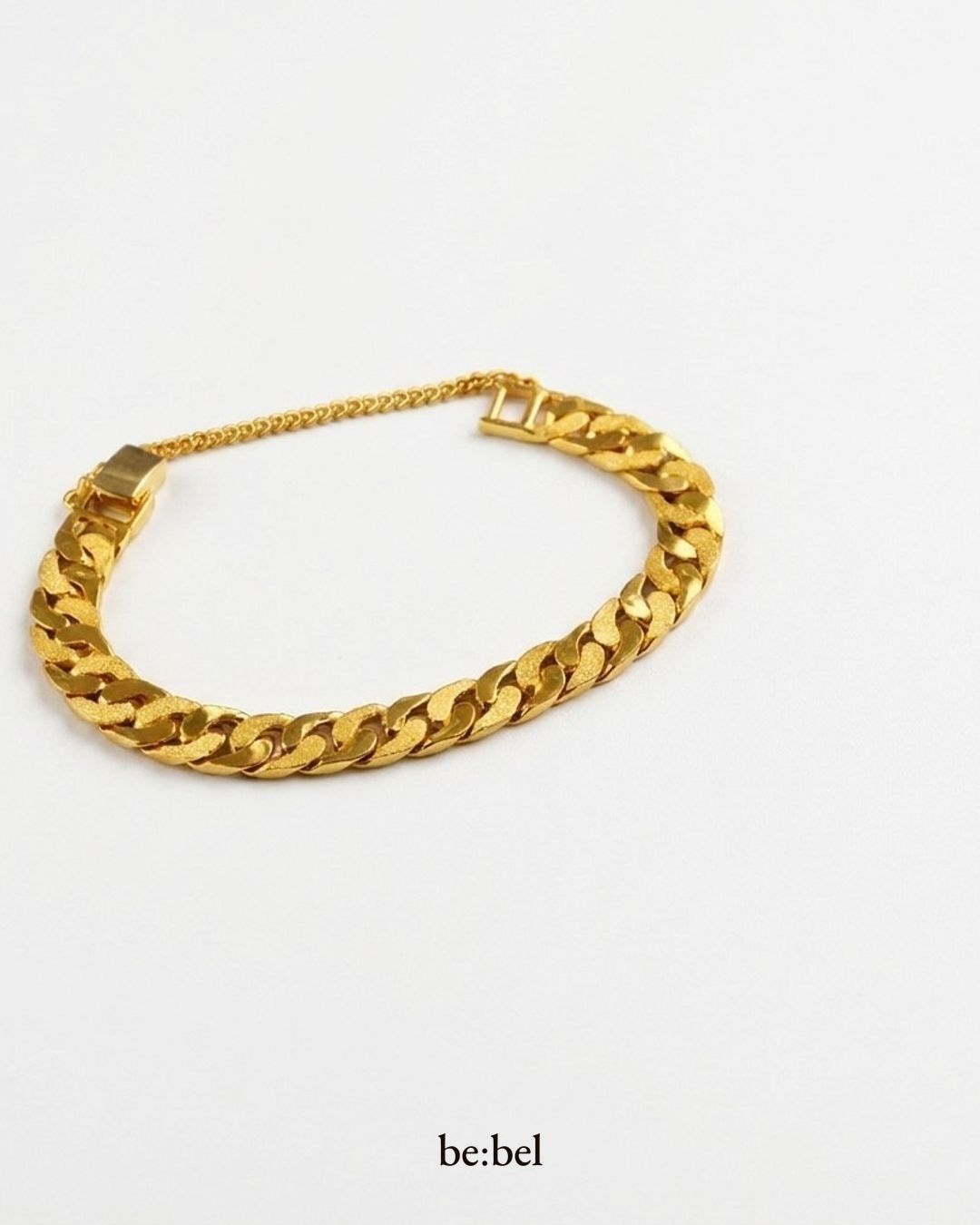
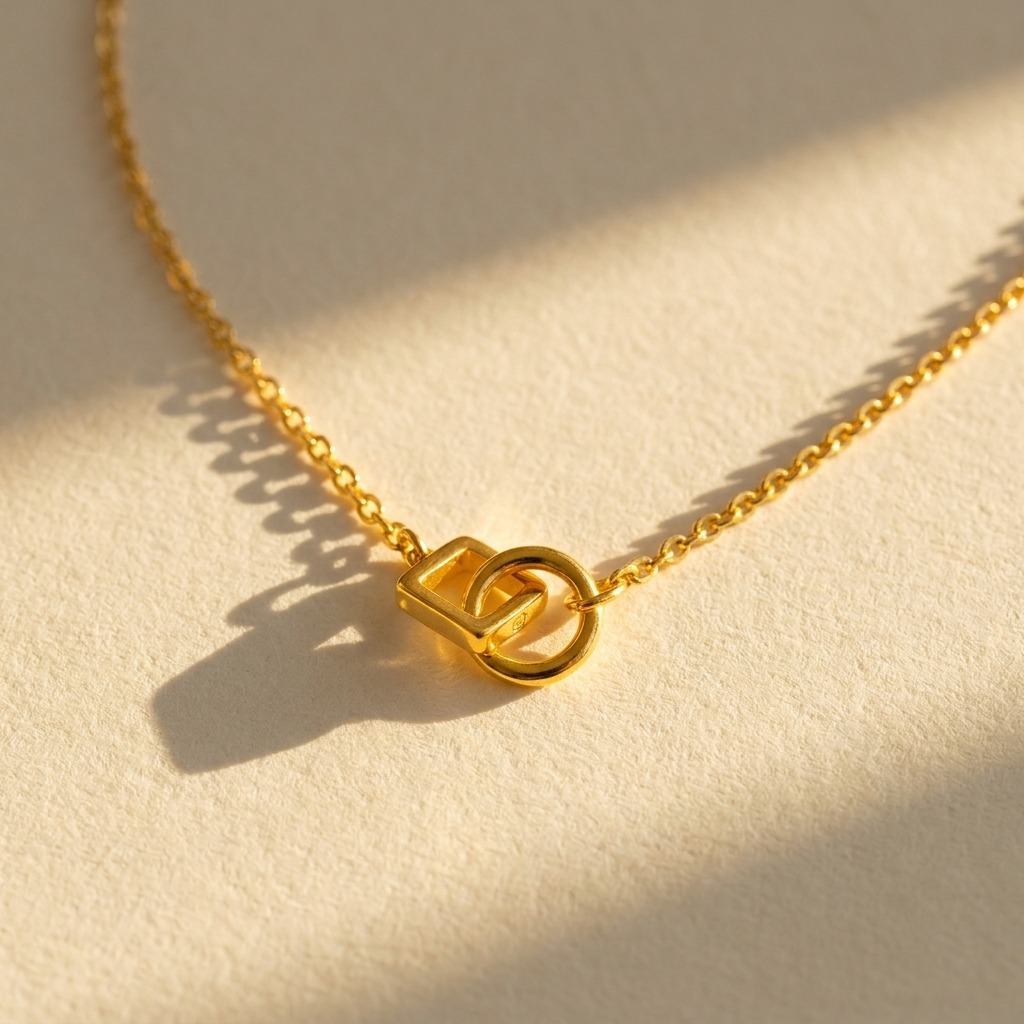
Pure gold is inherently very soft and malleable. If clasps on necklaces or bracelets were also made of pure gold, the loop could easily bend open during daily wear, posing a high risk of losing your precious jewelry.
For this reason, it is standard practice to craft clasps for necklaces and bracelets from 18K alloy so they fasten securely without coming undone.
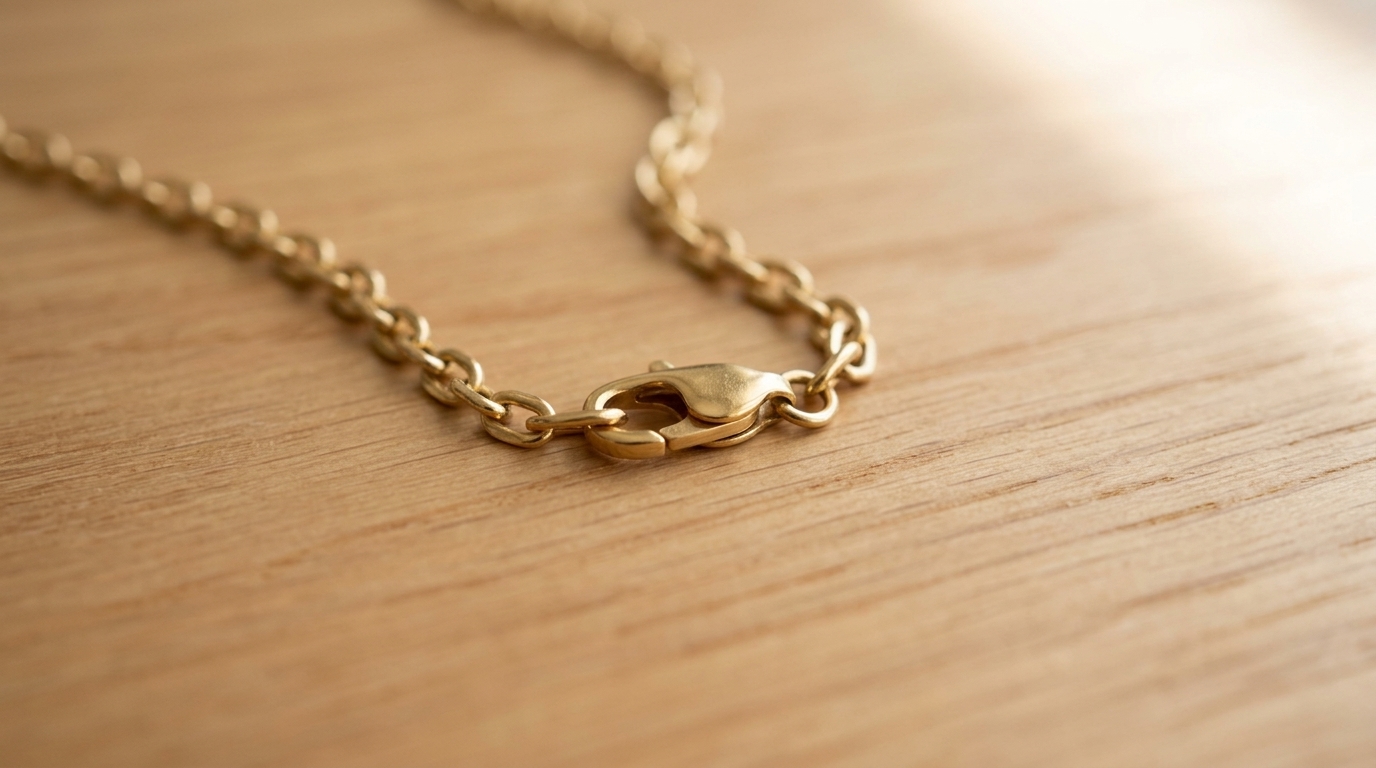
In honestly crafted jewelry, the weight of the 18K clasp is carefully calculated and added on top to fulfill the full stated weight of pure gold. Consequently, when placed on a scale, the actual total weight will measure slightly heavier than the stated pure gold weight.
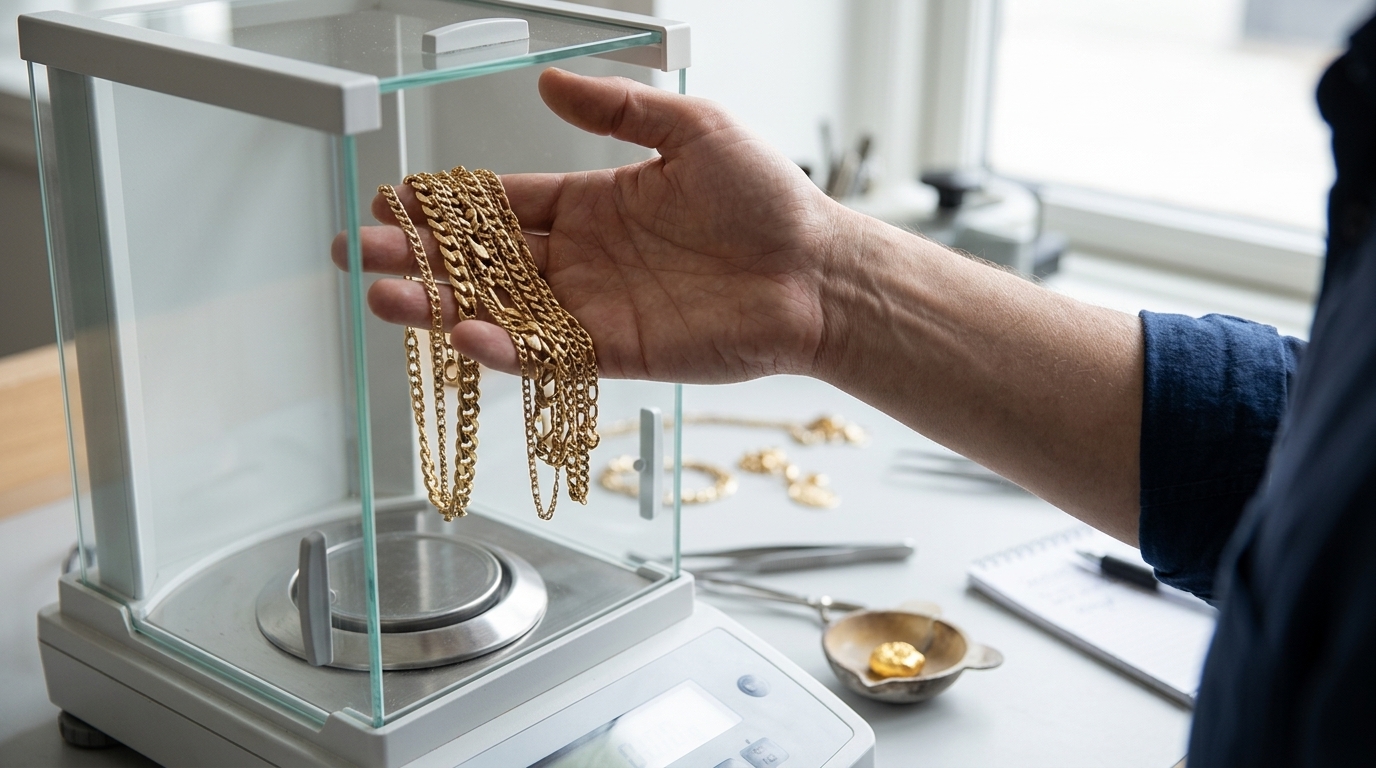
When reselling, the buyer either separates this clasp or applies a distinct ratio to calculate the pure gold portion and the 18K portion separately.
You should pay close attention to how the two components are separated and settled on the scale, making sure the 18K clasp weight is not mistakenly miscalculated at pure gold rates, or conversely, excessively deducted from the weight of the pure gold body.
What Is the "Assay Fee" Deducted on the Quote?
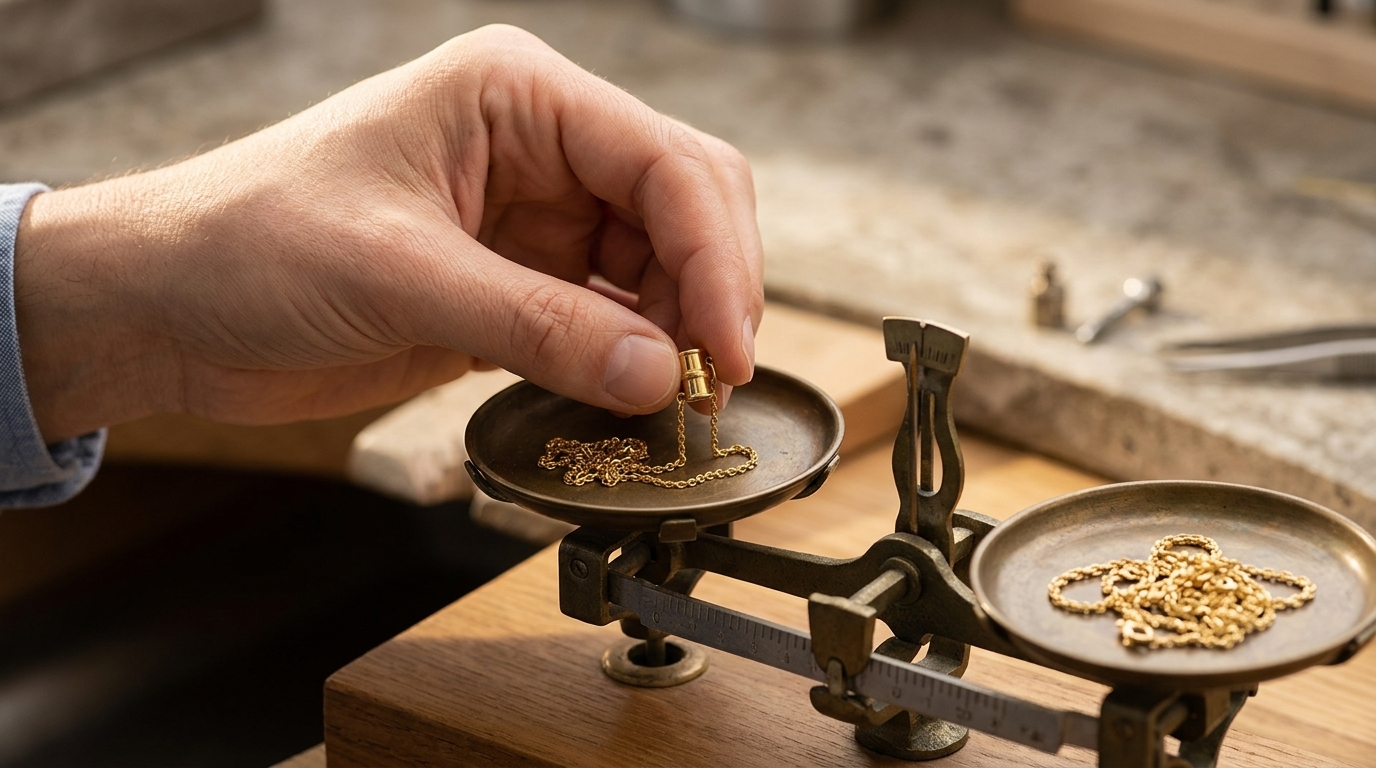
When selling back pure gold jewelry, you will often see a certain amount deducted under the name of an "assay fee" or "refining fee" on the quote sheet.
In order to return 995 pure gold that was crafted into jewelry back to a pure raw material state, melting down the piece and filtering out impurities
Frequently Asked Questions
Why does the actual buyback price differ from gold price charts?
Gold price charts serve as baseline indicators. The actual buyback price varies according to purity, form, and each buyer's calculation standards. This is because manufacturing and brand costs included at purchase are omitted upon resale, which values only the raw material.
How do I check the purity of the gold I own?
Examine the purity hallmark engraved on the inner surface of the piece. Everyday pure gold jewelry is typically 995 (99.5%) purity, whereas commemorative gifts like dol rings are crafted at 999 (99.9%) purity.
How are clasps on necklaces and bracelets calculated?
Because pure gold is soft, clasps on necklaces and bracelets are crafted from 18K alloy. During buyback, these clasps are separated from the pure gold and calculated at a distinct rate.