How to Minimize Losses When Reselling Gold: 3 Essential Criteria and Real-Time Price Comparison
Many people are taken aback when stepping out of a jewelry shop after selling gold items they had tucked away in their wardrobe, realizing the payout was much lower than expected. Although gold is one of the easiest physical assets to liquidate, without understanding how buying and reselling pricing works, it is difficult to recoup the full value matching its weight.
The key to minimizing losses when reselling gold is decided not when you sell, but when you buy.
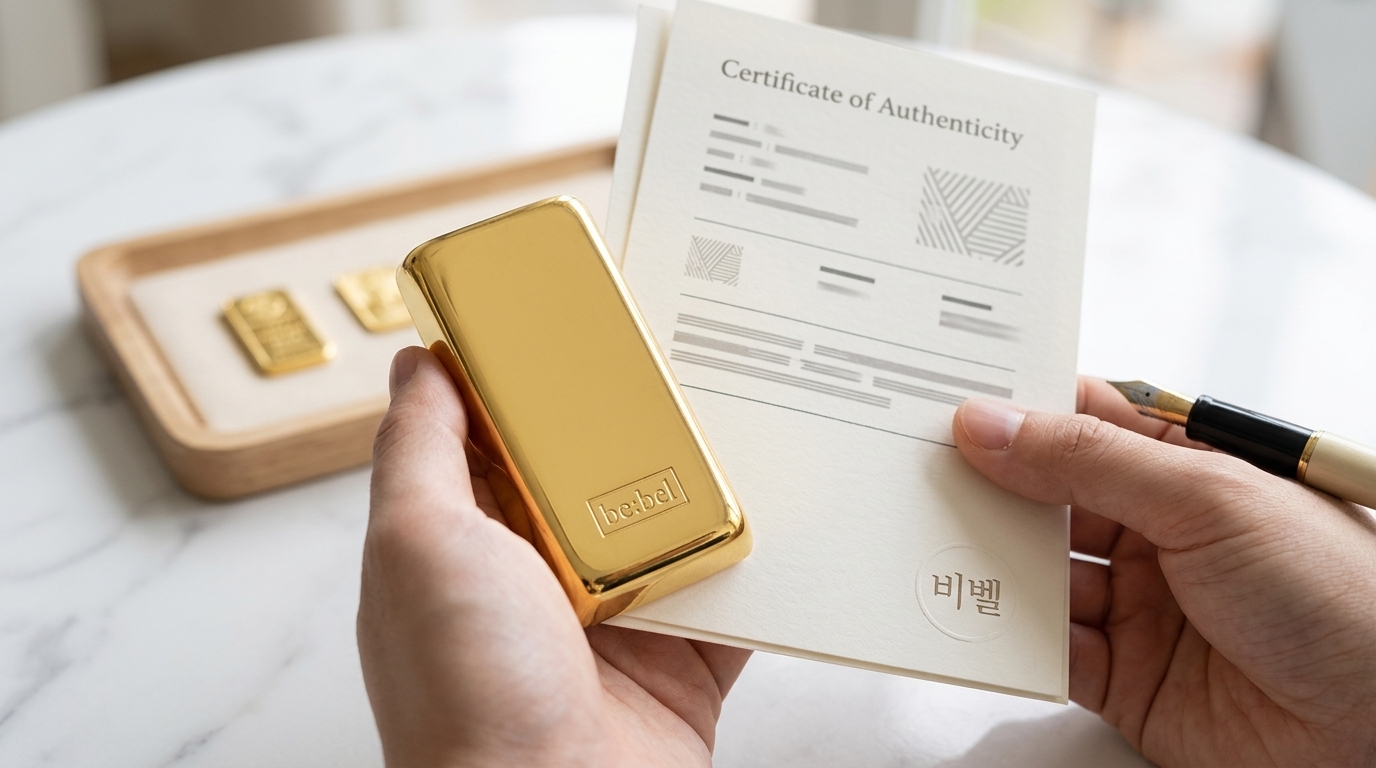
Understanding in advance how real-time gold prices are reflected in product pricing, along with the structure of purity and craftsmanship fees, allows you to minimize the depreciation that occurs when you liquidate your gold.
Why Buying and Selling Prices Differ
There is a structural difference between the money you pay when buying gold and the money you receive when selling it later. When consumers purchase jewelry, manufacturing labor (craftsmanship fees) and distribution costs are added on top of the raw pure gold material cost.
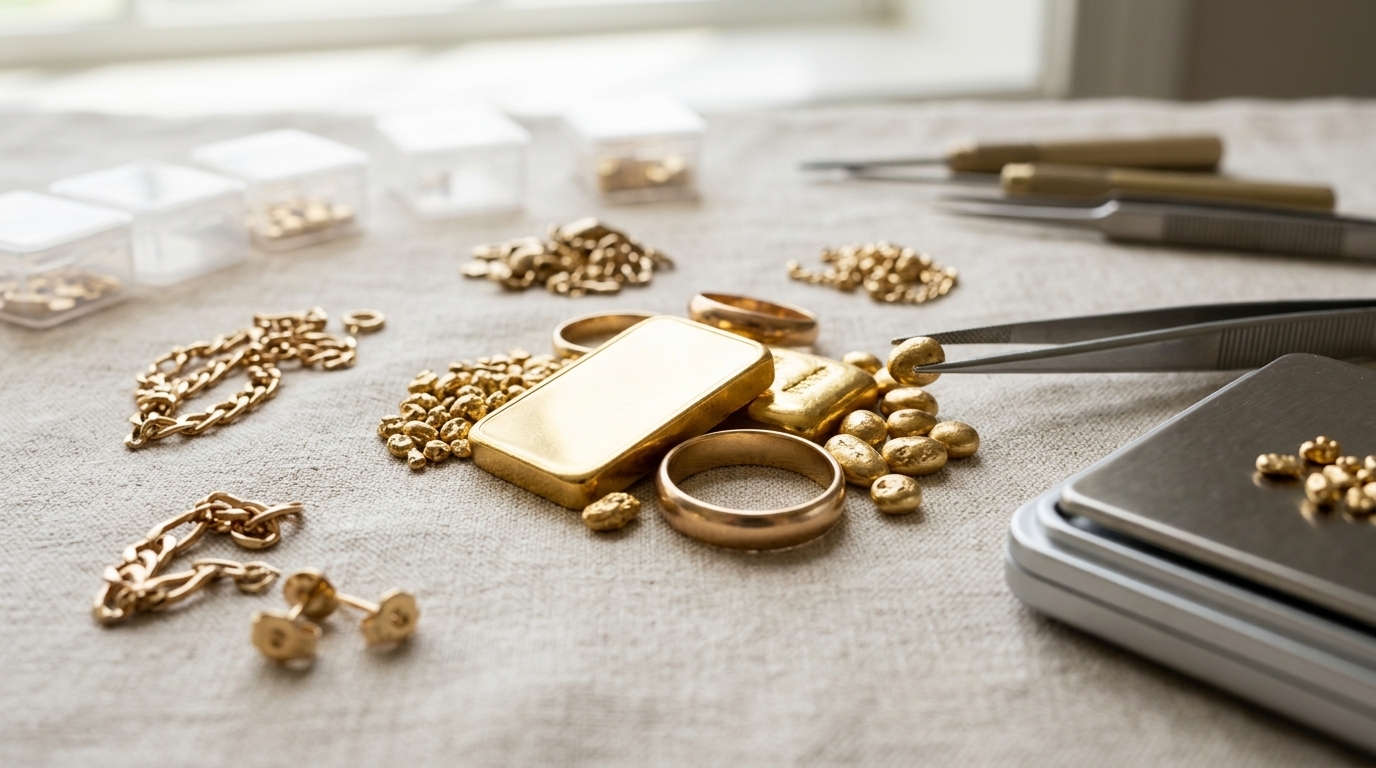
On the other hand, when you liquidate gold you own, design or brand premiums are rarely recognized. The buyback price is determined solely based on the "pure gold weight" that can be melted down and reused.
"The money you receive when reselling gold is the raw material value of pure gold, excluding design costs."
Ultimately, the higher the craftsmanship fee you paid when purchasing, the larger the perceived loss when selling.
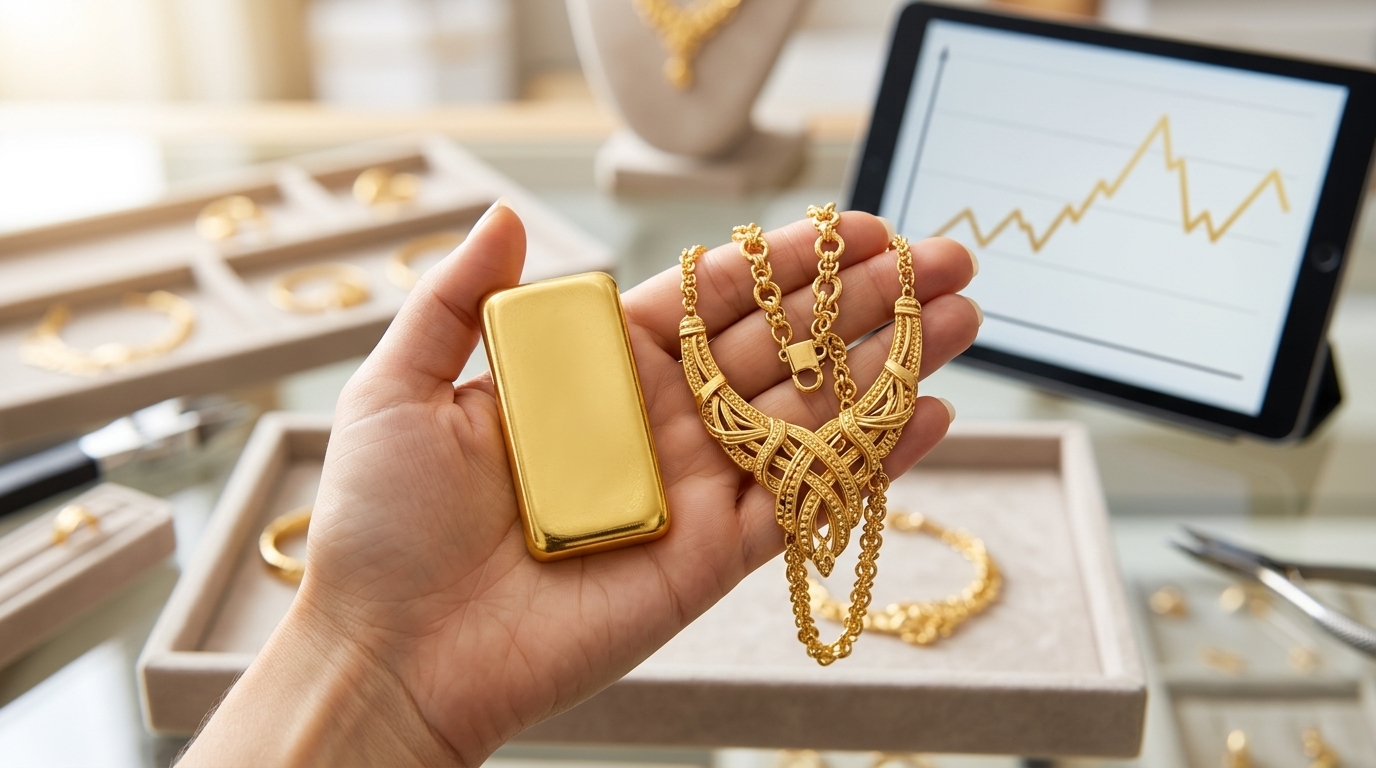
Differences in Depreciation: Jewelry vs. Gold Bars
If you consider only resale efficiency, you need a clear understanding of the depreciation rate based on the gold's form. Gold bars are crafted with 99.99% purity (four nines) through a simple fabrication process, resulting in minimal deductions for refining costs upon resale.
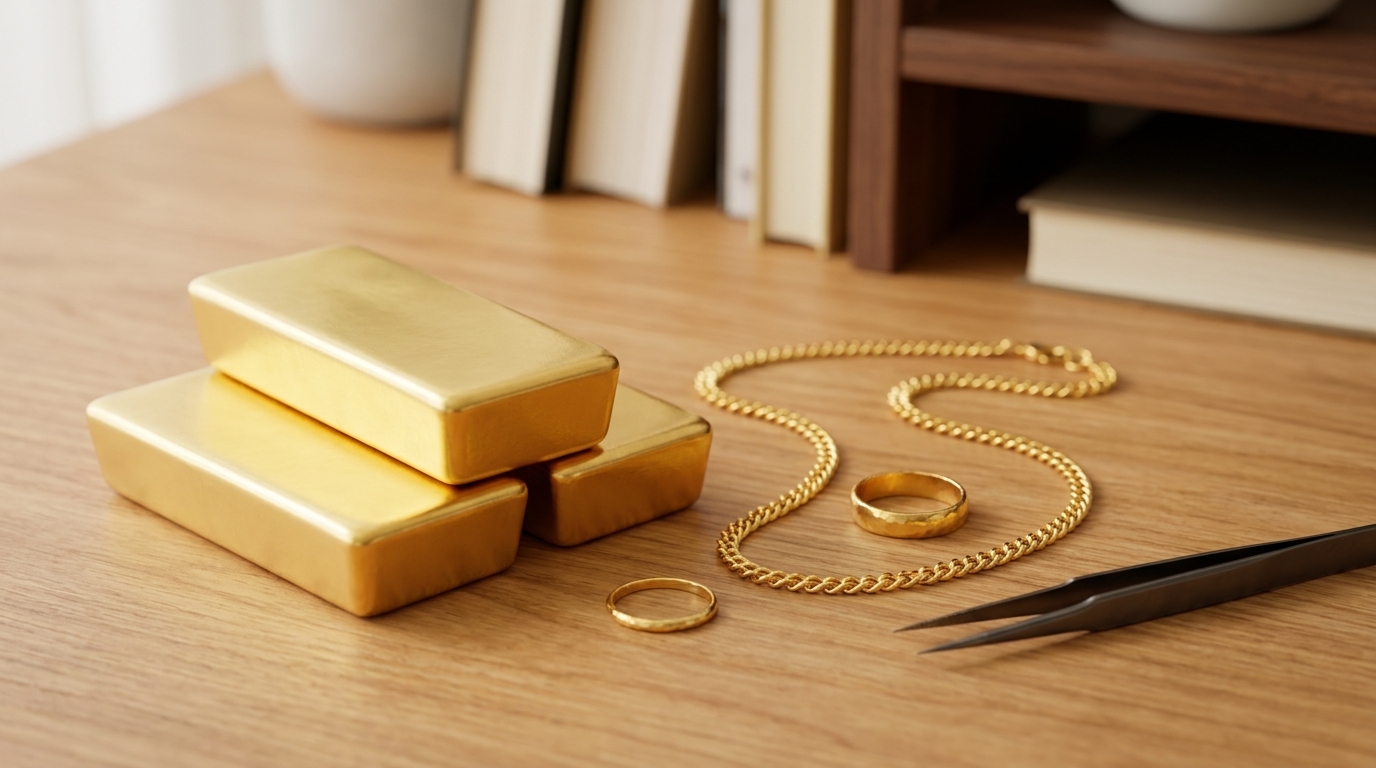
On the other hand, pure gold jewelry intended for wear has different purities applied due to processing characteristics. Standard pure gold jewelry like rings, necklaces, and bracelets is crafted at 99.5% purity (995) to ensure strength and structural integrity, while baby dol rings are made at 99.9% purity (999).
When selling gold in jewelry form, a certain refining deduction (loss fee) is applied to account for the melting and refining process back into pure gold. Therefore, if your primary goal is asset storage, simpler forms are advantageous; if you want to enjoy both wearing the piece and having liquidity, you need an eye for selecting designs with reasonable craftsmanship costs.
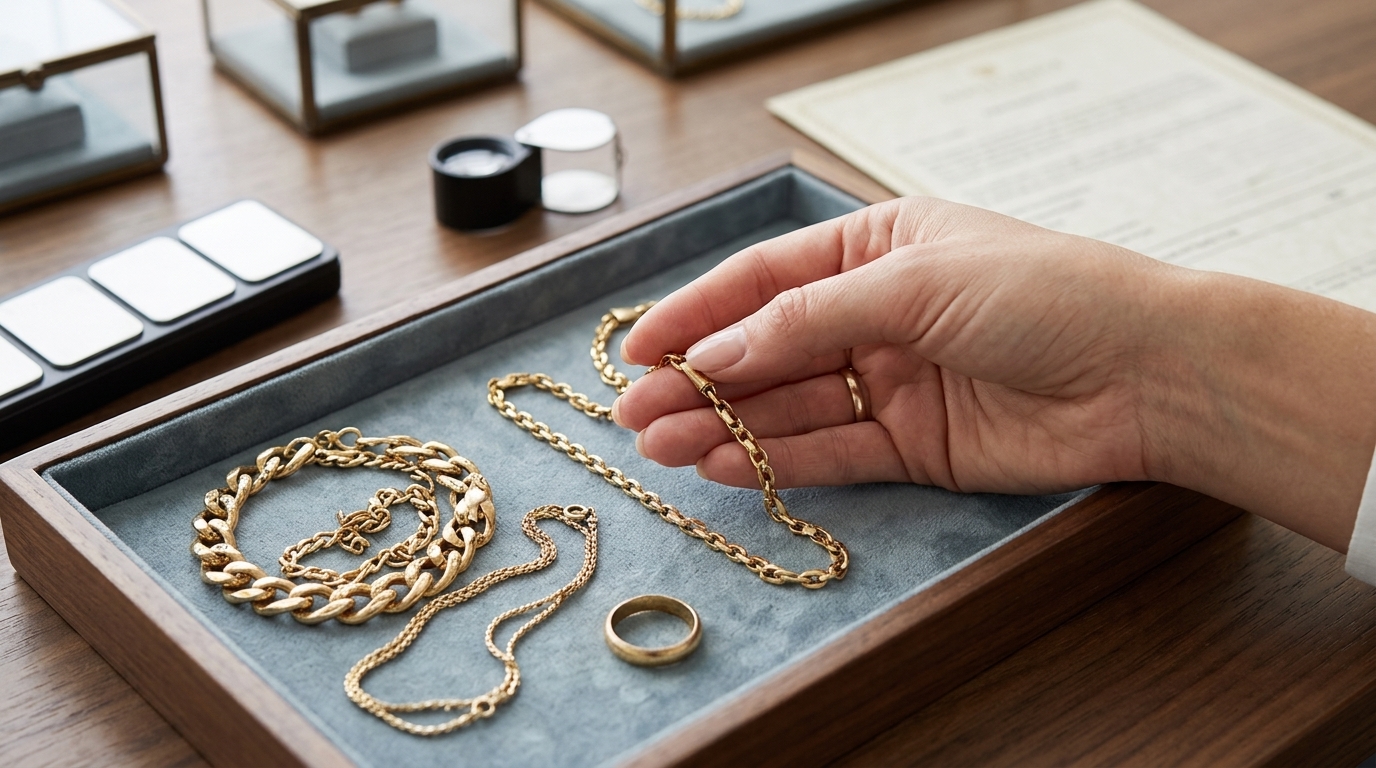
What to Keep in Mind When Selling Necklaces or Bracelets
Misunderstandings often arise regarding weight measurement when selling necklaces or bracelets. Because pure gold is inherently soft, making connecting clasps out of pure gold can cause them to easily bend open or snap.
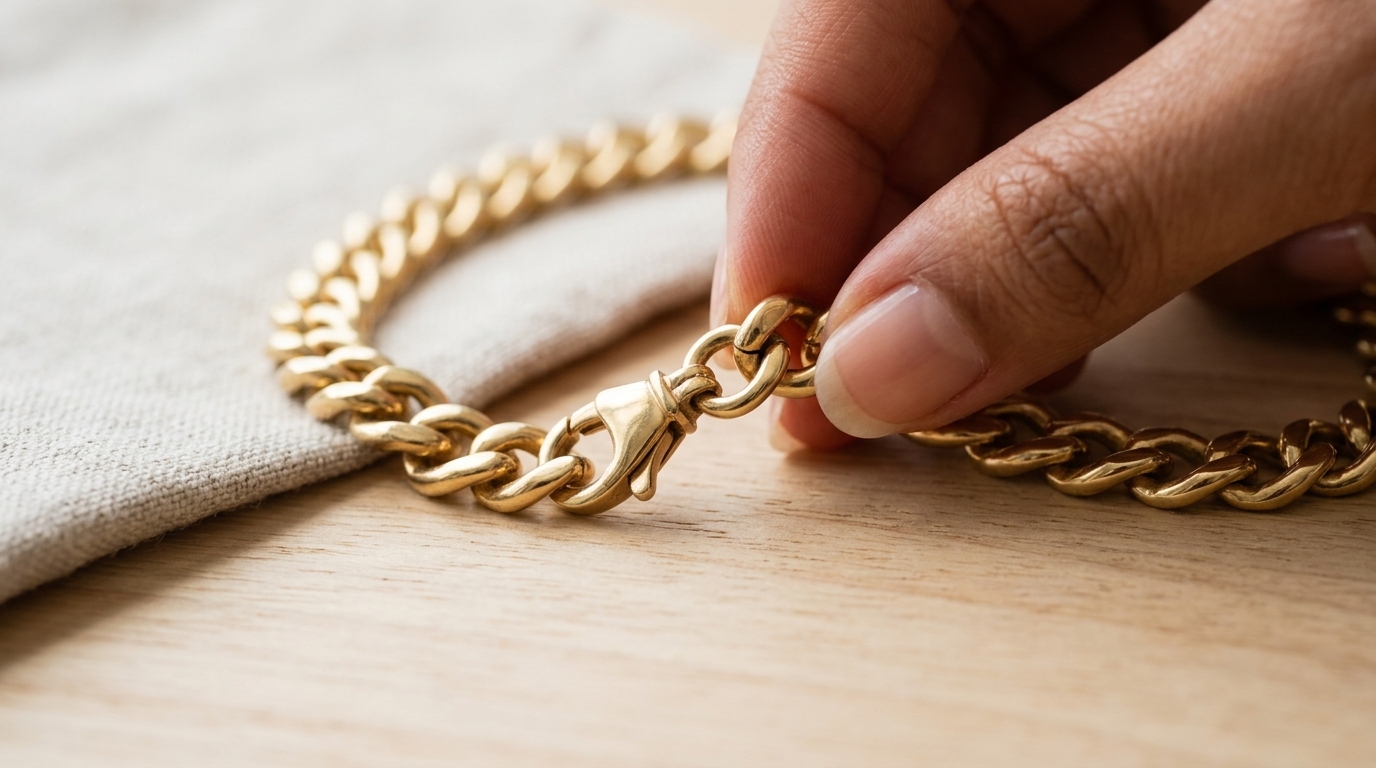
To prevent loss, a durable 18K clasp is attached instead. This is why, during a buyback, the entire piece is weighed on the scale first, and the weight of the 18K clasp is calculated separately.
"The weight of the pure gold body and the weight of the 18K clasp are settled at different unit prices."
If you assumed the total weight would be calculated entirely at the pure gold rate, you might feel shortchanged during the settlement. Knowing the exact weight of your piece's pure gold body versus the 18K component right from the time of purchase ensures you receive an accurate valuation when selling.
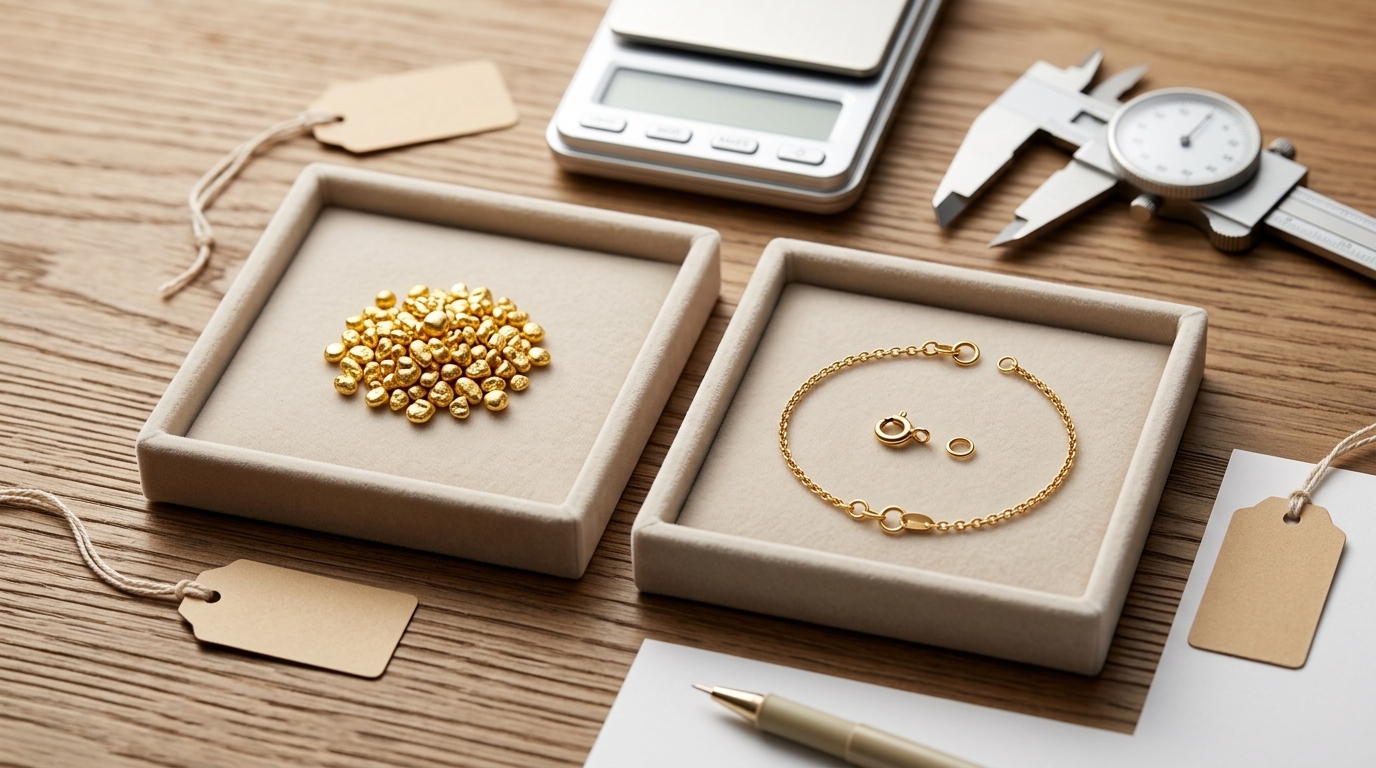
3 Buying Criteria to Minimize Future Losses
Applying the following three criteria strictly when purchasing gold pieces can significantly protect you against financial loss when reselling later.
First, check whether the seller immediately links real-time international gold prices to product prices. Gold prices fluctuate daily; buying a piece fixed at an older, higher price means starting with an immediate loss equal to that price difference.

Second, ensure the product carries a clear, trustworthy purity hallmark. Pieces with unclear origins or ambiguous purity markings carry a high risk of unnecessary deductions during appraisal at resale.
Third, examine whether the craftsmanship fee is reasonable relative to the weight. Overly intricate and elaborate designs significantly increase your initial purchase cost, but become sunken costs that yield zero return upon resale.
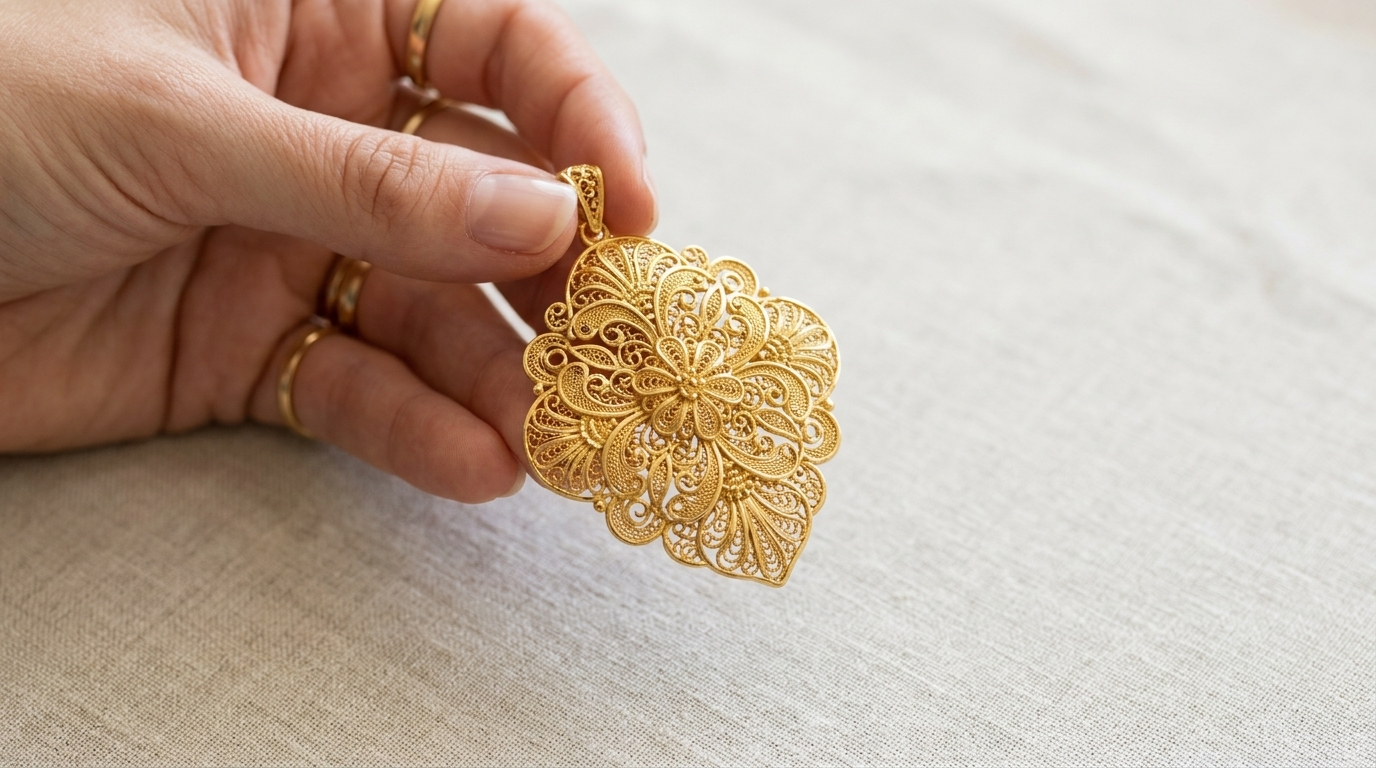
Choosing Gold from a Brand with Transparent Standards
Physical gold holds enduring value that does not diminish over time. When choosing pure gold as a gift for family or as savings for the future, the reason to find a brand with upright standards is clear.
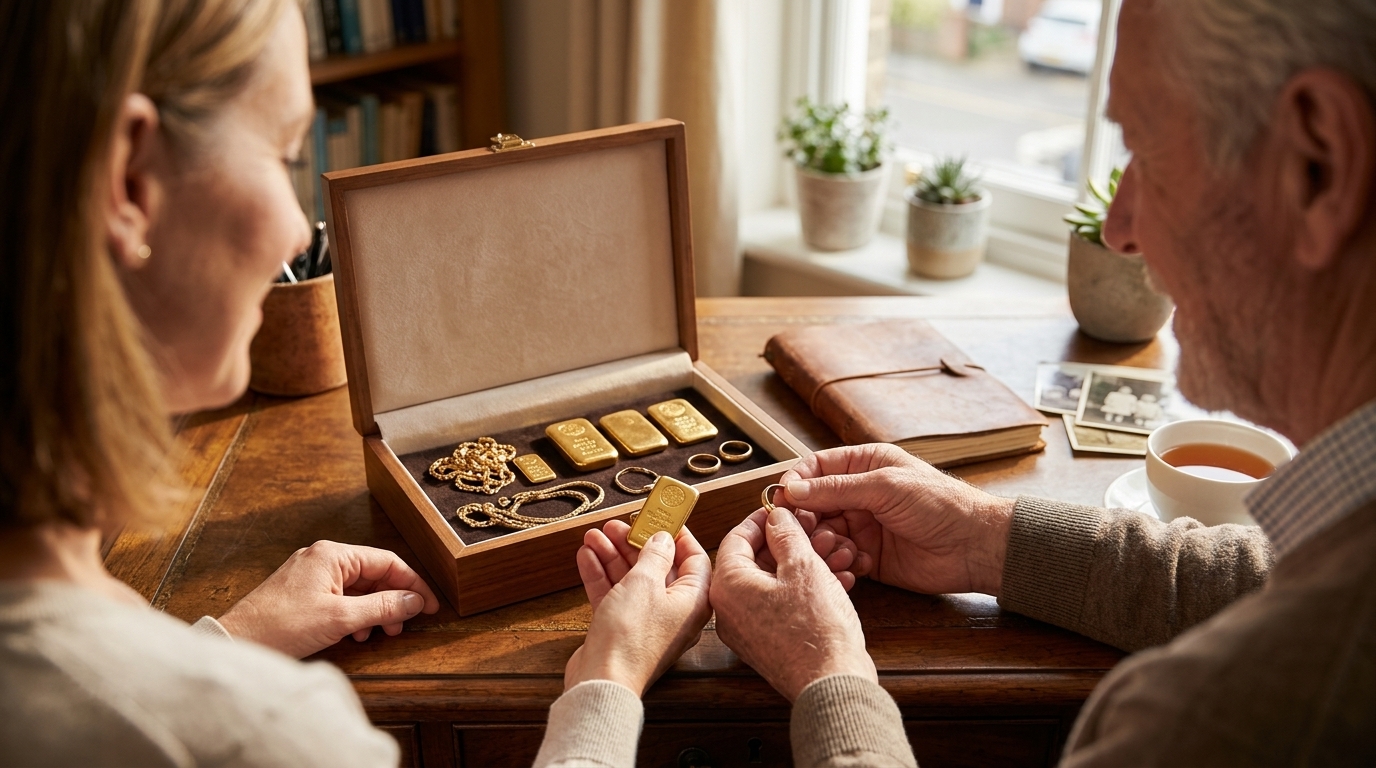
be:bel offers transparent pricing by linking daily fluctuating real-time gold prices directly to selling prices. We provide an environment where you can purchase at an honest price without artificial markups.
In addition, each product comes with our proprietary hologram authentication mark, upholding strict purity standards. We adhere to these essentials so you can prove purity and value without hesitation when reselling down the road.
If you want to preserve the full value of your gold, explore be:bel's 24K pure gold lineup—honestly reflecting real-time gold prices—today.
24K Pure Gold Mall be:bel · Editor B