5 Key Things to Check When Buying Gold: Understanding Gold Prices and Crafting Fees
You may have experienced buying the same weight of gold, only to find that the final billed amount just before payment varies wildly. If you make a purchase simply believing that gold prices have gone up, you may face unexpected depreciation when you resell it later.
The key when buying gold is to clearly separate the value of pure gold from the additional crafting and labor costs. Knowing what charges are added at purchase and what gets deducted when selling is essential to making a decision without financial loss.
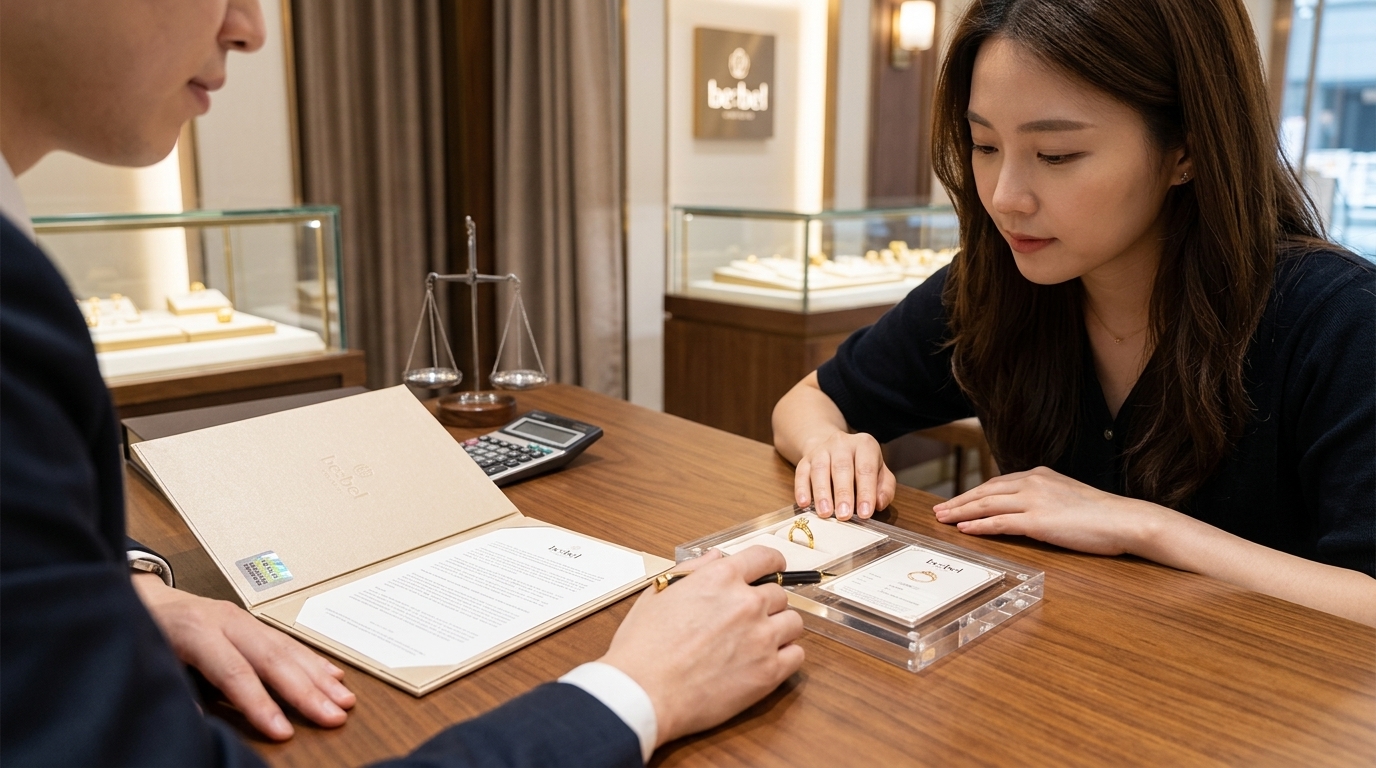
People choose gold as a physical asset for the sense of stability that endures over time. However, unless you set clear standards right from the initial purchase, it is difficult to fully enjoy its true value.
The fundamental rule of buying gold is to check your receipt with the pure gold price and labor fee clearly separated.
Let’s take a look at the essential criteria you must review before purchasing gold.
How Daily Fluctuating Gold Prices Are Applied
Gold prices are not fixed numbers; they fluctuate daily and from moment to moment based on international and domestic trading standards. As a result, the price you check today can differ from tomorrow's, and can even change between morning and afternoon.
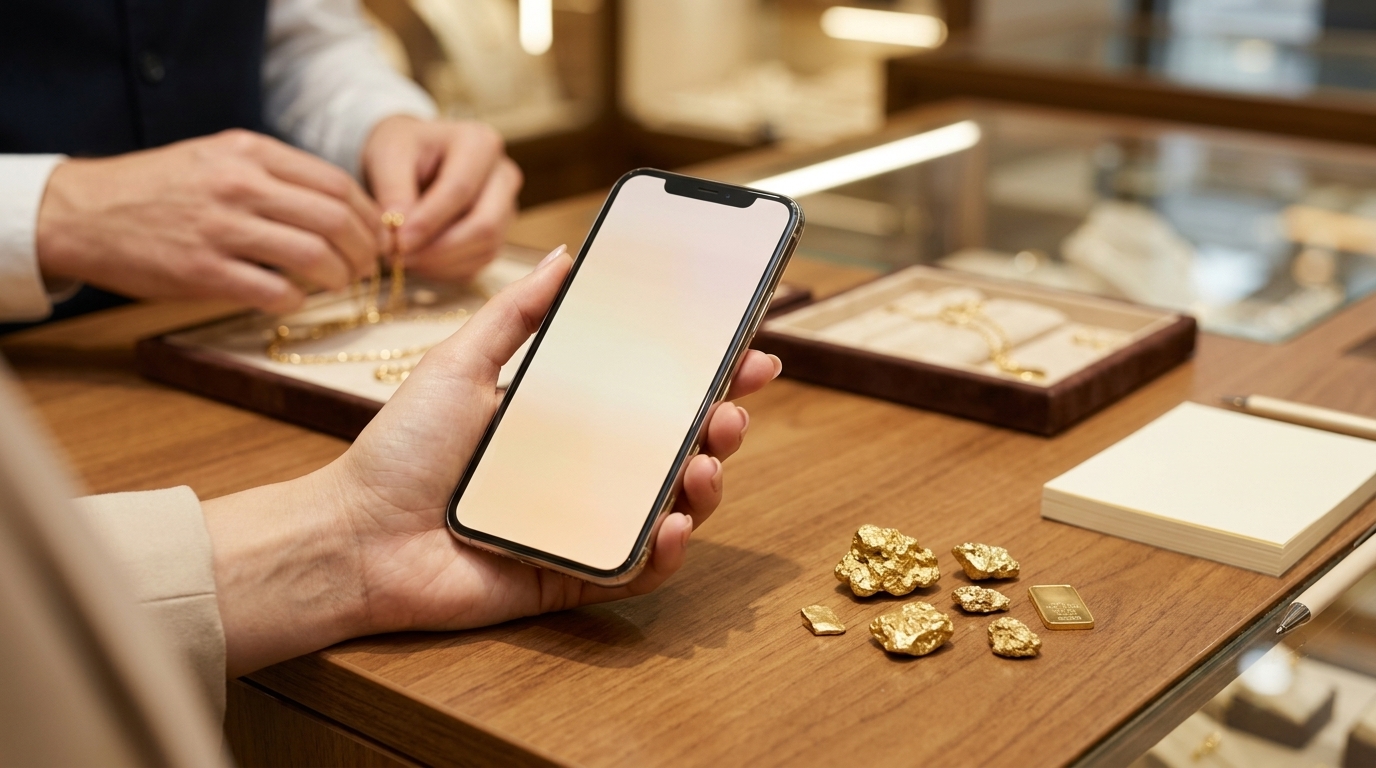
Some sellers set their retail prices based on gold rates from several days prior or apply arbitrary internal standards. For buyers, it can be difficult to verify whether an accurate, real-time market gold price is being applied.
At places where gold prices are not transparently linked to the market, there is a risk of paying previous, higher prices even when gold values drop. Conversely, when gold prices rise, excessive margins may be added, leading to unnecessary extra spending.
You must check whether the system immediately links real-time fluctuating gold prices directly to the selling price.
It is safer to avoid places that only give a vague lump-sum total without clearly disclosing the benchmark gold price. A trustworthy seller clearly shows how much of what you pay goes toward the pure gold raw material itself.

Today's gold price must be verified against established standards, and during periods of high volatility, whether real-time pricing is reflected has a significant impact on your final payment amount.
Why Pure Gold Jewelry and Gold Bars Have Different Purity Markings
Not all pure gold uses the exact same marking. Officially recognized purity standards are strictly categorized depending on the product's purpose and manufacturing process.
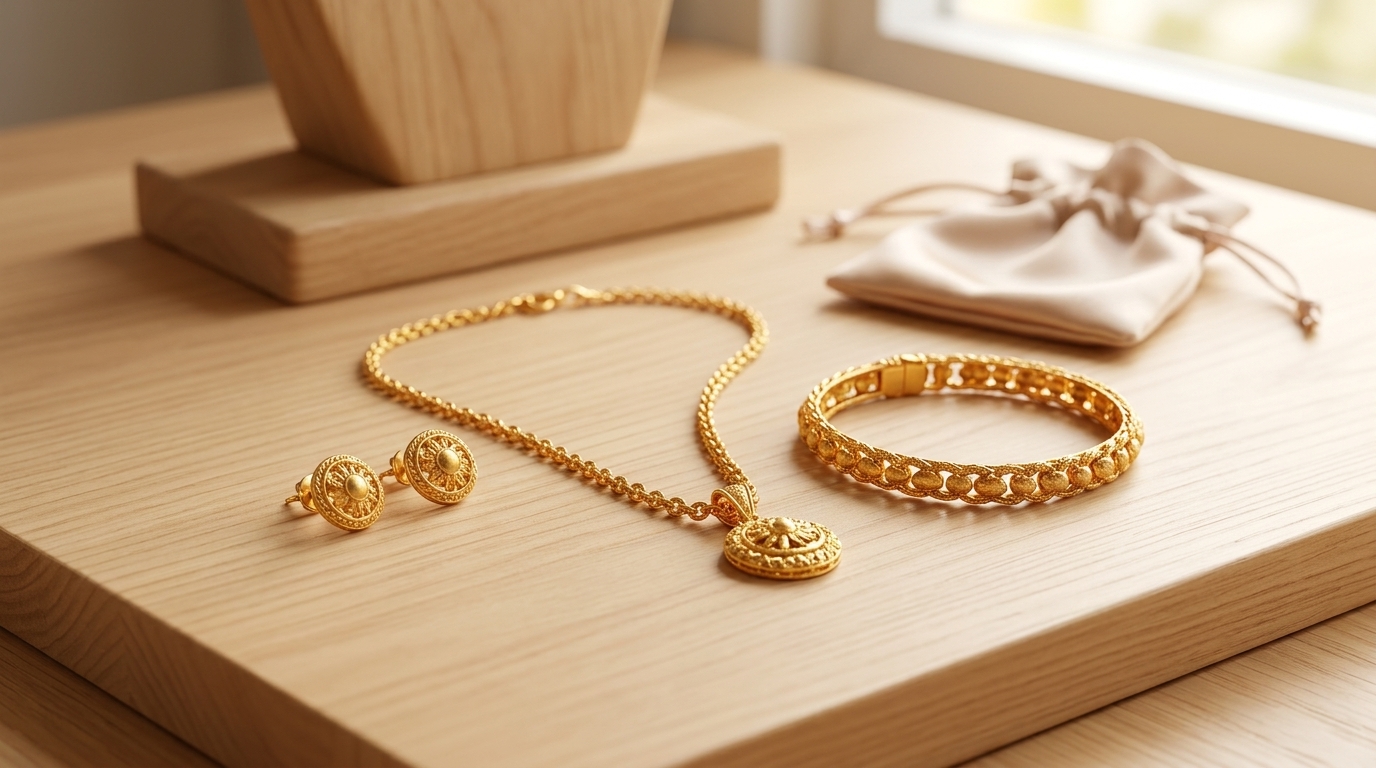
Wearable pure gold jewelry such as pure gold rings, necklaces, bracelets, and earrings is typically marked as 995 (99.5%) purity. This is because minute traces of alloy elements are required to maintain shape and secure structural joints and seams.
On the other hand, dol rings (Korean first-birthday gold rings) commemorating a baby's 100th day or first birthday are crafted with 999 (99.9%) purity. The commonly mentioned "Four Nines" (99.99%) marking is a standard strictly reserved for pure bullion gold bars.
The correct standard is 995 for pure gold jewelry, 999 for dol rings, and 99.99% for gold bars.
Be cautious of sellers who over-hype jewelry products as "Four Nines" or fail to clearly state purity distinctions. It is safer to check whether the correct purity suited to the product type is marked and whether there is an authentic hologram mark attached to the product itself.
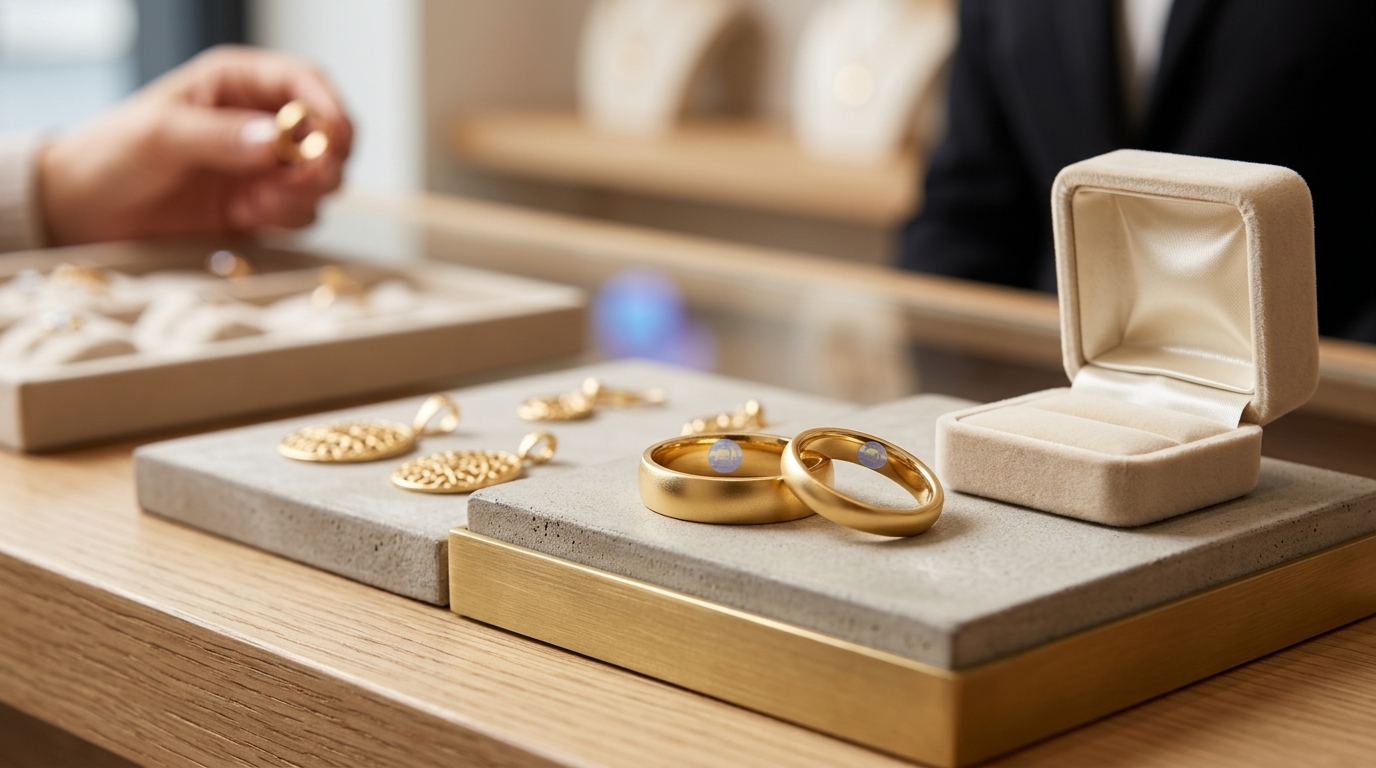
Accurate purity marking serves as the most fundamental identity card to ensure you receive fair value when reselling or exchanging the product later.
The Secret Behind Labor Fees: How Design and Manufacturing Methods Make a Difference
The total price of a gold piece consists of the "pure gold price" plus the "crafting fee (labor)". If your goal is pure asset preservation, simple shapes with minimal labor costs are advantageous; if you intend to wear it daily, you should consider the quality and precision of its craftsmanship.
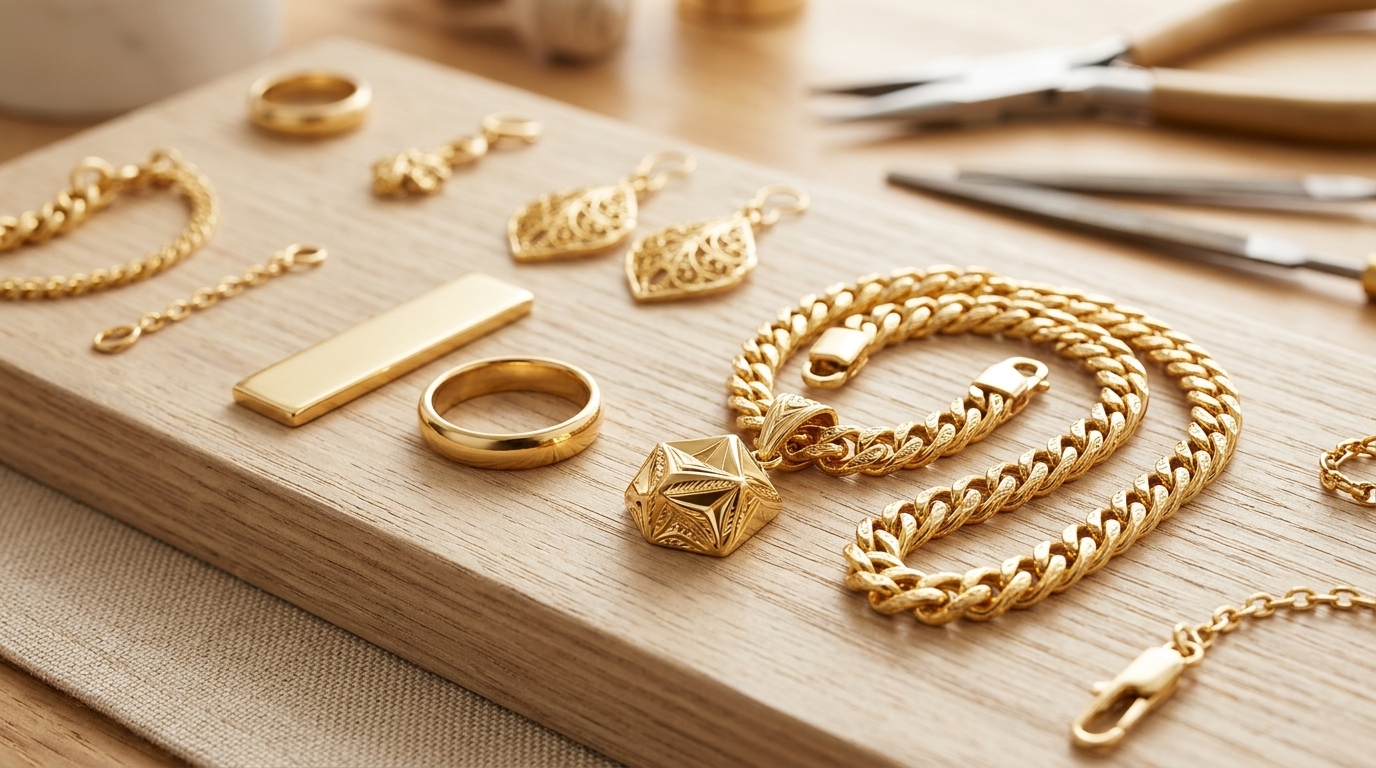
Simple bar forms or basic bands stamped out uniformly by machines carry relatively low labor costs. However, intricate cutting requiring extensive handwork, three-dimensional pendants, and chains with precise link structures require master craftsmanship, naturally resulting in higher labor fees.
Higher labor costs are a natural reflection of skilled artistry, but problems arise when these fees are excessively inflated compared to the intrinsic gold value. Paying an exorbitant fee relative to the pure gold weight simply because a design looks fancy leads to an equivalent loss when reselling.
You must first determine your purchasing purpose: paying for craftsmanship for the joy of wearing it, or focusing on pure weight for building assets.
You should be clearly informed of your chosen piece's weight in don (g) and calculate separately whether the crafting fee added to it is reasonable.
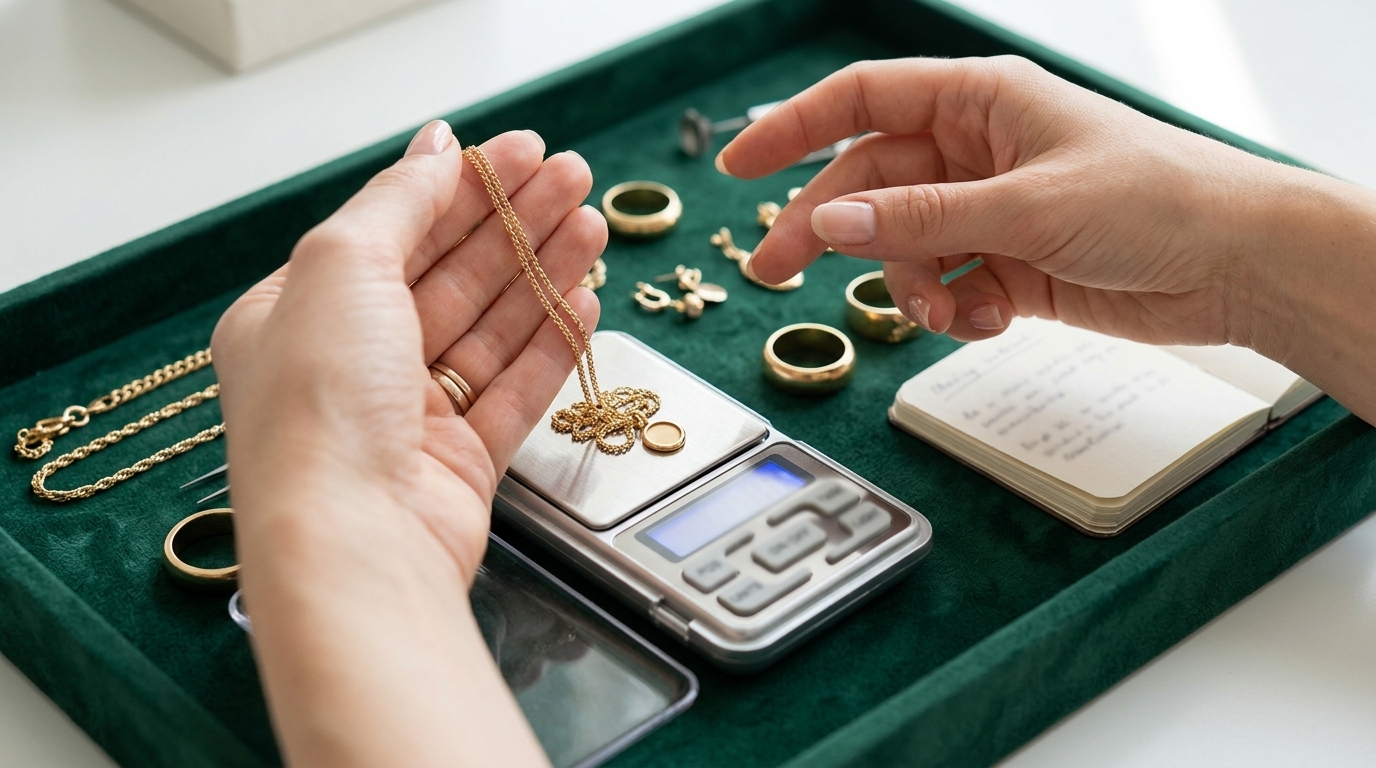
Simply understanding the ratio of labor cost relative to weight allows you to make the most rational choice within your budget.
The Truth About Assay Fees Deducted When Reselling
Even if you purchased pure gold with satisfaction, many people are taken aback when liquidating it later. This is due to a deduction item known as the "assay fee" incurred during the melting, refining, and reprocessing stages.
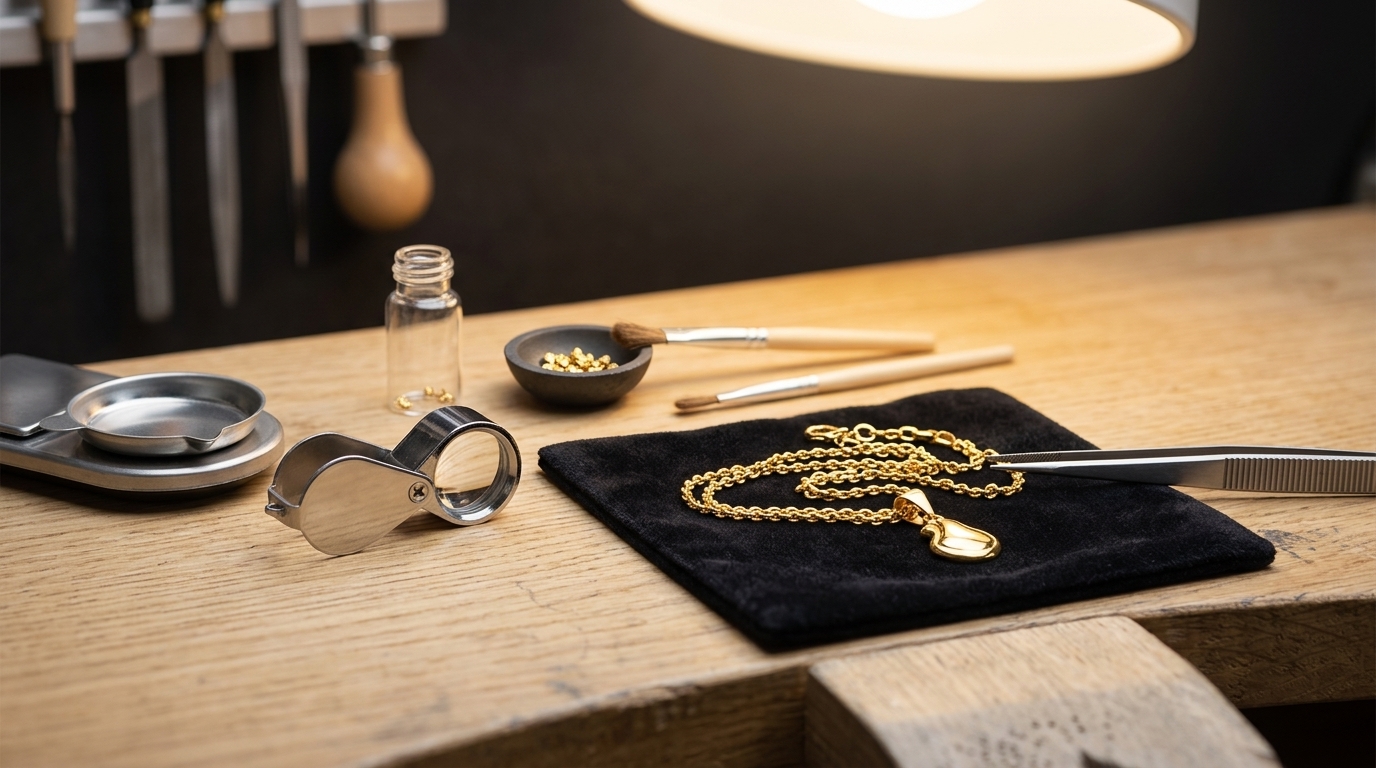
Pure gold jewelry pieces (995) incur minor losses and refining costs when melted down and refined back into pure gold bars. Because of this, buyback dealers deduct a certain percentage as an assay fee before paying out the final settlement amount.
Hearing no explanation at the time of purchase and then having fees deducted like a commission when selling is inevitably disappointing. Ultimately, you must check not only the terms at purchase, but also the conditions offered when the seller buys it back.
You must check whether the original seller offers benefits such as reducing or completely waiving assay fees during buyback.
A seller that takes full responsibility from start to finish clearly presents buyback conditions for its own products.

Only when such post-purchase standards are clearly established can you preserve your value with peace of mind over the long term.
How to Choose a Brand with Transparent Standards
When summarizing all the key considerations for buying gold, it ultimately comes down to choosing a place with clear, transparent standards.
You should verify that selling prices are automatically linked to real-time gold prices to avoid unnecessary markup. In addition, check that purity standards of 995 or 999 are accurately stated according to the product type, and that an official hologram mark is affixed to the product itself.
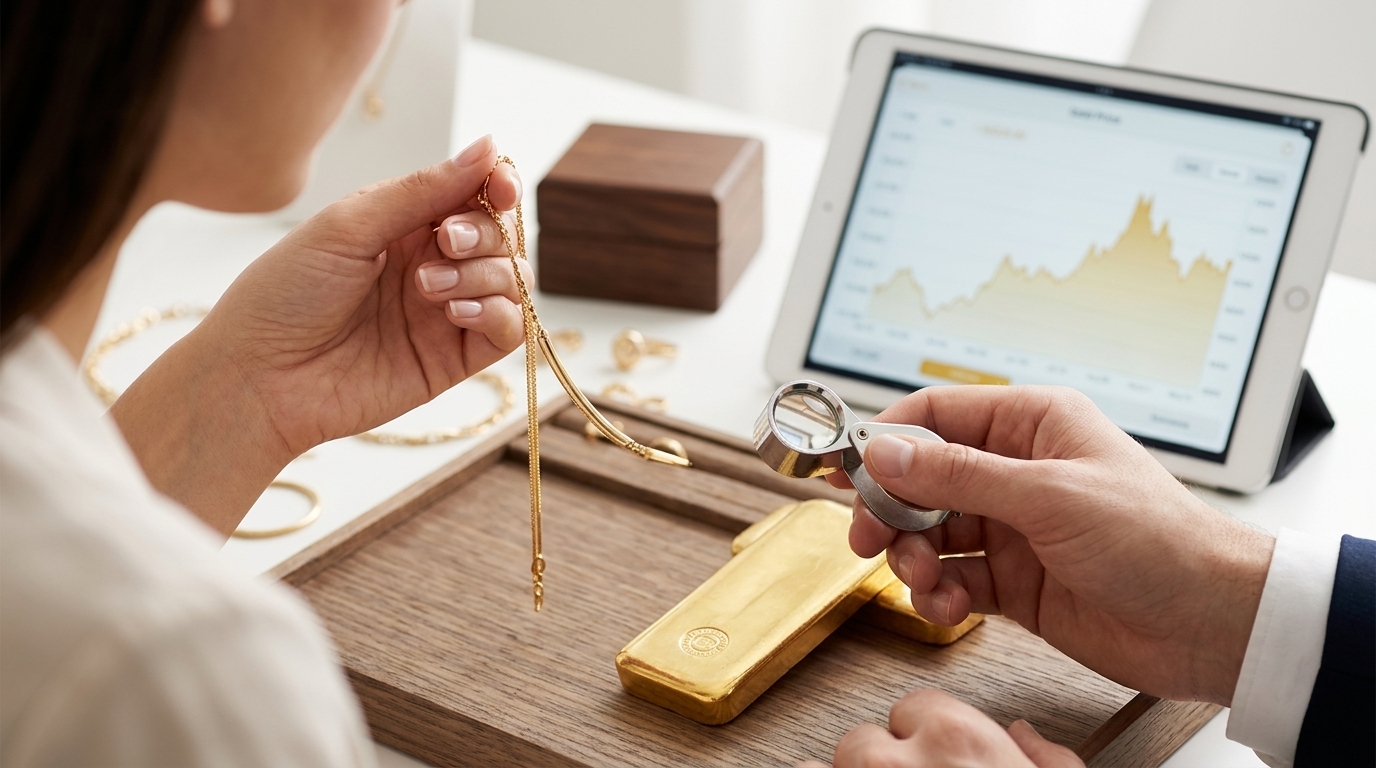
To ensure customers feel secure amidst daily market fluctuations, be:bel operates by directly linking real-time gold prices to retail pricing. No matter which piece you choose, you can see the benchmark pure gold price and clear manufacturing standards at a glance.
In particular, when you resell products purchased from be:bel, we never charge any assay fees, fully recognizing their intrinsic value. From reasonable prices at the moment of purchase to reassuring benefits when reselling, we uphold every standard with integrity.
Clear standards preserve the full value of gold. Discover be:bel’s wide range of pure gold collections today, transparently reflecting real-time gold prices.
Pure Gold Mall be:bel · Editor B