How Many Grams Is 1 Don of Gold? Understanding the 3.75g Weight Standard and Gold Price Differences
1 don of gold is exactly 3.75g (grams).
This is the very first standard metric you should check when ordering pure gold or preparing a gift. Confusion often arises because the traditional unit 'don', used customarily for generations, is used alongside the current legal unit of measurement, the 'gram (g)'.
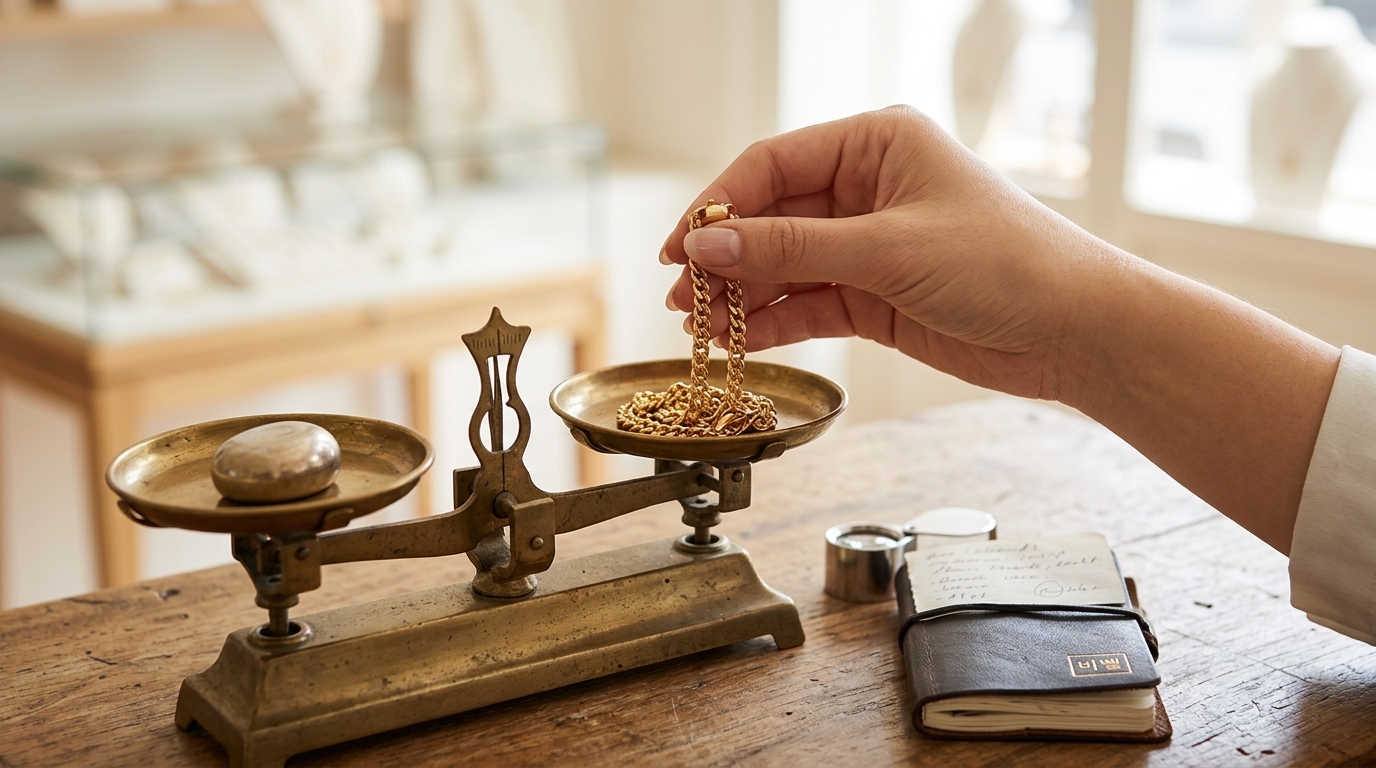
If you do not know the exact weight, you could lose out due to subtle weight discrepancies or gold price calculations, even when paying for the same don amount. In gold, a tiny difference of just 0.01g directly translates into a difference in value.
"The legal weight of 1 don of gold is 3.75g, and 10 don is 1 nyang, which corresponds to 37.5g."
Why Is 1 Don Defined as 3.75g?
Under the traditional cheokgwan-beop system of weights and measures used for centuries, the don was the minimum unit for weighing precious metals like gold and herbal medicine ingredients. The counting method that grouped 10 don into 1 nyang (37.5g) and 100 nyang into 1 gwan (3.75kg) has settled into the standard used today.
Today, under the Framework Act on National Standards, precious metals must legally be labeled in grams (g). That is why you will easily see jewelry stores and online product pages listing 3.75g rather than the term '1 don'.
Knowing the conversion standards from don to grams in advance makes it much easier to estimate weights at a glance.
- 0.5 don (half don): 1.875g
- 1 don: 3.75g
- 2 don: 7.5g
- 3 don: 11.25g
- 5 don: 18.75g
- 10 don: 37.5g
The Truth Behind the Decimals Easily Missed on the Scale
When choosing a gold piece, simply hearing how many don it is is not enough. It is important to get into the habit of checking whether the weight on the scale accurately matches multiples of 3.75g down to two decimal places.
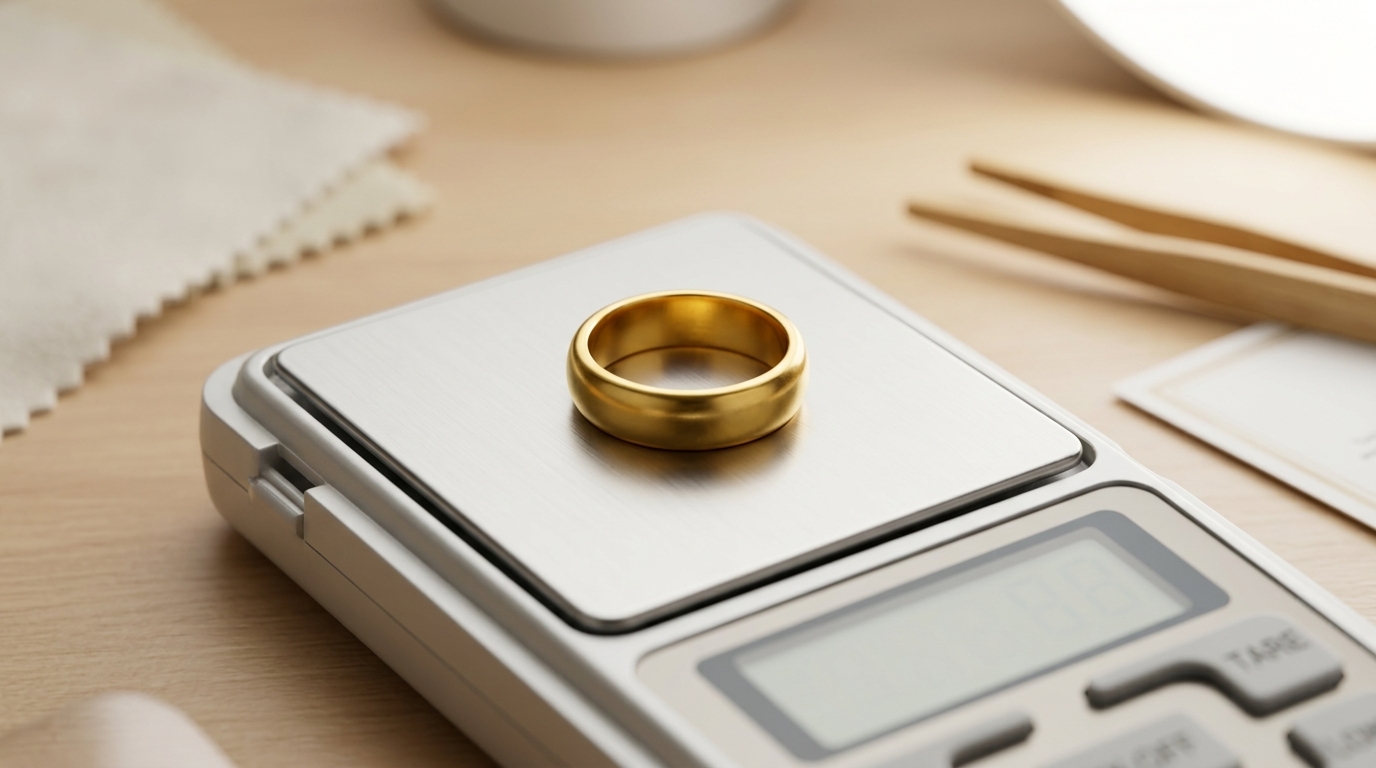
For instance, if you have a 3 don ring crafted, its exact weight must be 11.25g. You need a discerning eye to check whether the brand transparently discloses tolerance margins during crafting and delivers a finished piece matching the guaranteed weight.
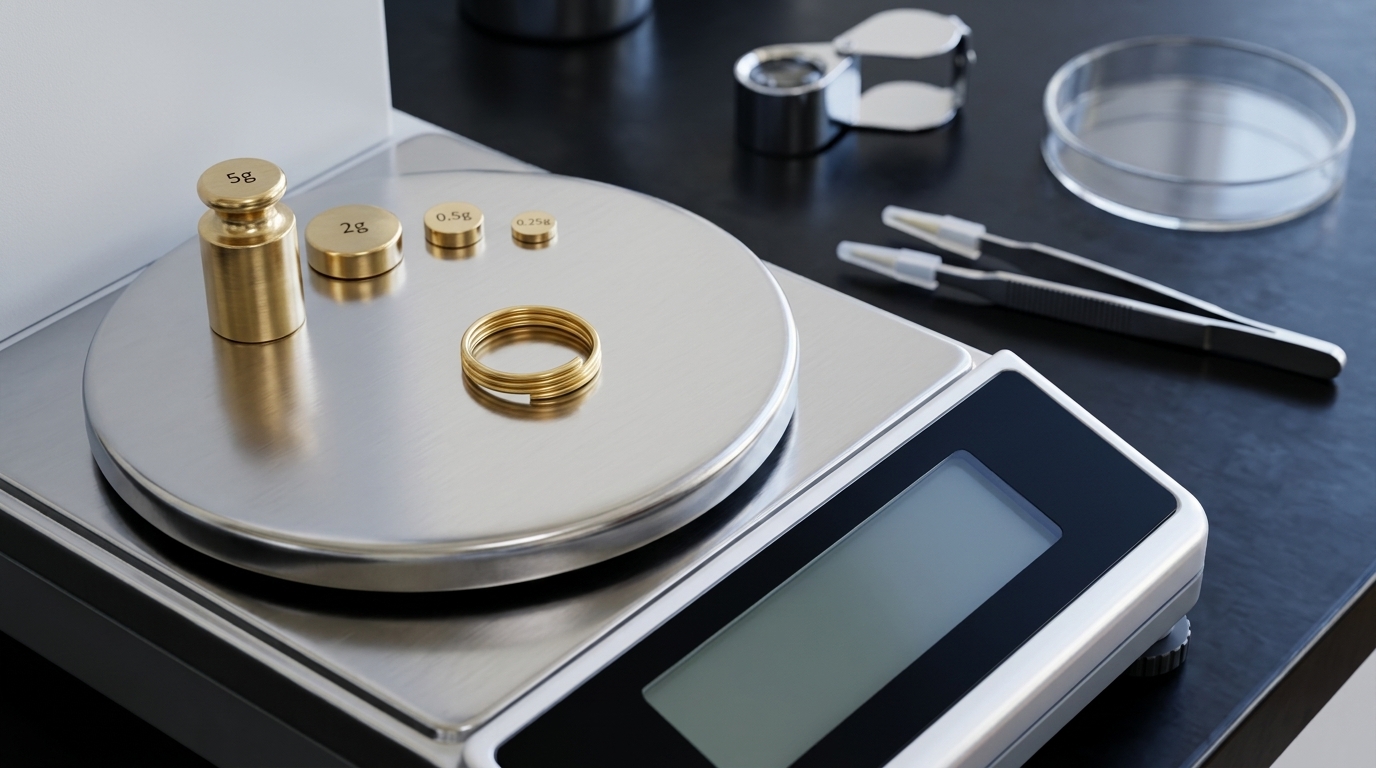
If the gold falls short when weighed on a scale, you are essentially losing out on that amount of gold value. This is why it is vital to carefully inspect the genuine hologram mark or quality markings stamped on the product itself.

Why Prices Differ for the Exact Same 1 Don
The raw material price of 1 don (3.75g) of pure gold changes daily based on domestic and international gold market prices. The reason today's gold price differs from tomorrow's is that real-time market rates are reflected.

On top of this, crafting labor fees based on technique and design are added to determine the final purchase price. Purity also differs depending on purpose: 24K pure gold jewelry (rings, necklaces, bracelets) is typically made in 995 (99.5% purity), while dol rings and gold bars are crafted at 999 (99.9% purity) or higher.

Just as important as the purchase price are the terms when selling it back later. When selling gold, it is standard practice for assay fees (refining fees) to be deducted from that day's buyback price. Even for the same 1 don, having assay fees deducted inevitably reduces the cash you walk away with.

Clear Standards for Pure Gold Transactions Without Loss
Once you know the exact weight of 1 don of gold (3.75g), the next step is ensuring you choose a brand that preserves its value to the very end. The purpose of holding gold as a tangible asset lies in its timeless stability.
be:bel maintains a strict policy of charging zero assay fees when you sell back products purchased from us. We apply a top-rate buyback principle based on identical weight for all be:bel pieces, ensuring you reclaim the full value of what you have cherished.
Every piece carries a genuine hologram mark, thoroughly guaranteeing purity and the standard 3.75g weight unit. Discover real-time daily gold prices and transparent, honest weight standards directly at be:bel.
Pure Gold Mall be:bel · Editor B